

• HOME
  • NEWS
  • EXPLORE
    • CAREER
      • Companies
      • Jobs
    • EVENTS
    • iGEM
      • News
      • Team
    • PHOTOS
    • VIDEO
    • WIKI
  • BLOG
  • COMMUNITY
    • FACEBOOK
    • INSTAGRAM
    • TWITTER
Saturday, February 7, 2026
BIOENGINEER.ORG
No Result
View All Result
  • Login
  • HOME
  • NEWS
  • EXPLORE
    • CAREER
      • Companies
      • Jobs
        • Lecturer
        • PhD Studentship
        • Postdoc
        • Research Assistant
    • EVENTS
    • iGEM
      • News
      • Team
    • PHOTOS
    • VIDEO
    • WIKI
  • BLOG
  • COMMUNITY
    • FACEBOOK
    • INSTAGRAM
    • TWITTER
  • HOME
  • NEWS
  • EXPLORE
    • CAREER
      • Companies
      • Jobs
        • Lecturer
        • PhD Studentship
        • Postdoc
        • Research Assistant
    • EVENTS
    • iGEM
      • News
      • Team
    • PHOTOS
    • VIDEO
    • WIKI
  • BLOG
  • COMMUNITY
    • FACEBOOK
    • INSTAGRAM
    • TWITTER
No Result
View All Result
Bioengineer.org
No Result
View All Result
Home NEWS Science News Science

Mayo Clinic research sheds light on why some rheumatoid arthritis patients respond poorly to biologics

Bioengineer by Bioengineer
November 12, 2016
in Science
Reading Time: 2 mins read
0
Share on FacebookShare on TwitterShare on LinkedinShare on RedditShare on Telegram

SAN FRANCISCO — A Mayo Clinic study is shedding light on why some rheumatoid arthritis patients respond poorly when treated with tumor necrosis factor inhibitors, part of a class of drugs called biologics. It comes down to proteins: specifically, a protein in the body that drives inflammation in the disease, the research found. The discovery is an important step toward better personalizing rheumatoid arthritis treatment, helping to avoid trial and error when prescribing medications. The findings were presented at the American College of Rheumatology annual meeting in San Francisco.

Researchers found that patients with a higher amount or higher proportion of an inflammatory protein called type 1 interferon beta compared with another inflammatory protein, type 1 interferon alpha, do not respond as well to tumor necrosis factor inhibitors as others. They looked at white blood cells called monocytes, a major cell type involved in rheumatoid arthritis, and found that those cells behaved differently in one group than in the other.

The discovery paves the way for a more personalized approach to treatment in rheumatoid arthritis based on the biology of a particular patient's disease.

"Investigating these pathways may identify other targets for therapy or other markers that predict treatment response," says first author Theresa Wampler Muskardin, M.D., a rheumatologist at Mayo Clinic in Rochester, Minn. "It will help rheumatologists find the right drug for each patient and spare patients medications that won't work for them."

The Rheumatology Research Foundation funded the study. Mayo rheumatologist Timothy Niewold, M.D., was the study's senior author.

In other studies presented at the meeting, Mayo Clinic researchers found:

  • Sarcoidosis, the growth of tiny clusters of inflammatory cells called granulomas, carries a higher risk of heart disease and venous thromboembolism. Researchers also found there is seasonal variation in the incidence of sarcoidosis: Rates are consistently lower in autumn. Physicians believe that sarcoidosis may be triggered by the body's immune response to environmental factors, such as something inhaled from the air.
  • The risk of coronary artery disease among patients with polymyalgia rheumatica is 70 percent higher than it is among others.
  • Heart and circulatory abnormalities are common in Takayasu's arteritis, a form of vasculitis in which large blood vessels become inflamed.

Mayo rheumatologists and cardiologists formed the Mayo Clinic Cardio-Rheumatology Clinic to research and pioneer better prevention, detection and treatment of heart disease and other cardiovascular problems in patients with rheumatic diseases.

###

About Mayo Clinic

Mayo Clinic is a nonprofit organization committed to clinical practice, education and research, providing expert, whole-person care to everyone who needs healing. For more information, visit http://www.mayoclinic.org/about-mayo-clinic or http://newsnetwork.mayoclinic.org/.

Media Contact

Sharon Theimer
[email protected]
507-284-5005
@MayoClinic

http://www.mayoclinic.org/news
Share12Tweet8Share2ShareShareShare2

Related Posts

Five or more hours of smartphone usage per day may increase obesity

July 25, 2019
IMAGE

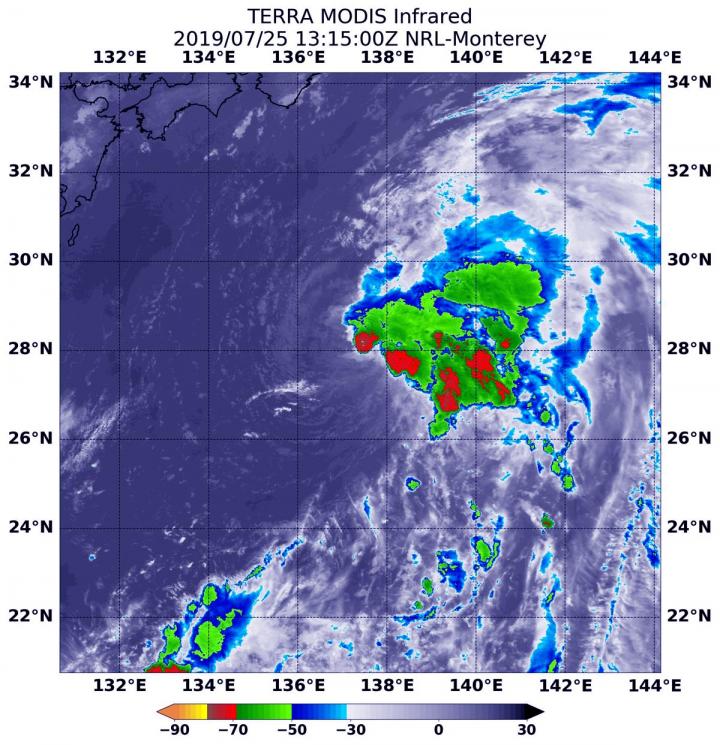
NASA’s terra satellite finds tropical storm 07W’s strength on the side

July 25, 2019

NASA finds one burst of energy in weakening Depression Dalila

July 25, 2019

Researcher’s innovative flood mapping helps water and emergency management officials

July 25, 2019
Please login to join discussion

POPULAR NEWS

  • Robotic Ureteral Reconstruction: A Novel Approach

    Robotic Ureteral Reconstruction: A Novel Approach

    82 shares
    Share 33 Tweet 21
  • Digital Privacy: Health Data Control in Incarceration

    63 shares
    Share 25 Tweet 16
  • Study Reveals Lipid Accumulation in ME/CFS Cells

    57 shares
    Share 23 Tweet 14
  • Breakthrough in RNA Research Accelerates Medical Innovations Timeline

    53 shares
    Share 21 Tweet 13

About

We bring you the latest biotechnology news from best research centers and universities around the world. Check our website.

Follow us

Recent News

Decoding Prostate Cancer Origins via snFLARE-seq, mxFRIZNGRND

Digital Health Perspectives from Baltic Sea Experts

Florida Cane Toad: Complex Spread and Selective Evolution

Subscribe to Blog via Email

Enter your email address to subscribe to this blog and receive notifications of new posts by email.

Join 73 other subscribers
  • Contact Us

Bioengineer.org © Copyright 2023 All Rights Reserved.

Welcome Back!

Login to your account below

Forgotten Password?

Retrieve your password

Please enter your username or email address to reset your password.

Log In
No Result
View All Result
  • Homepages
    • Home Page 1
    • Home Page 2
  • News
  • National
  • Business
  • Health
  • Lifestyle
  • Science

Bioengineer.org © Copyright 2023 All Rights Reserved.
