Credit: Graphic by Julie McMahon
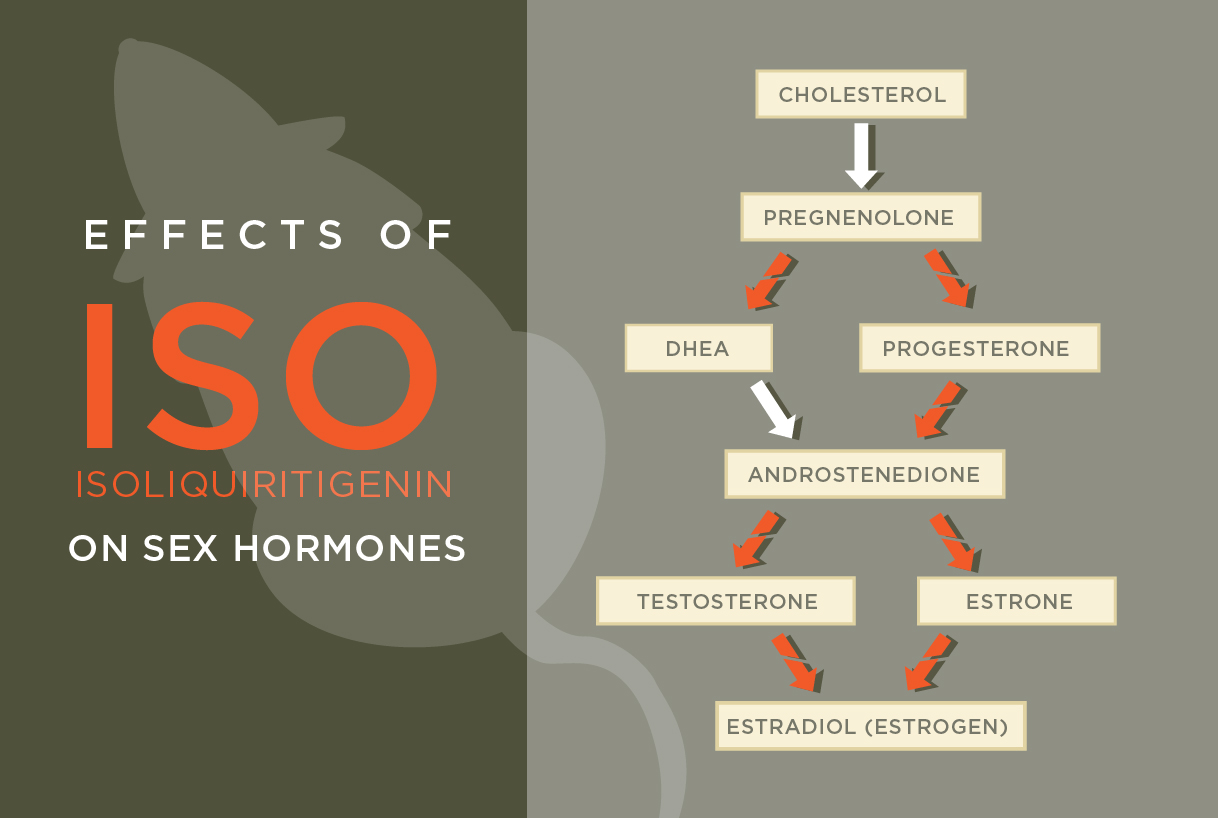
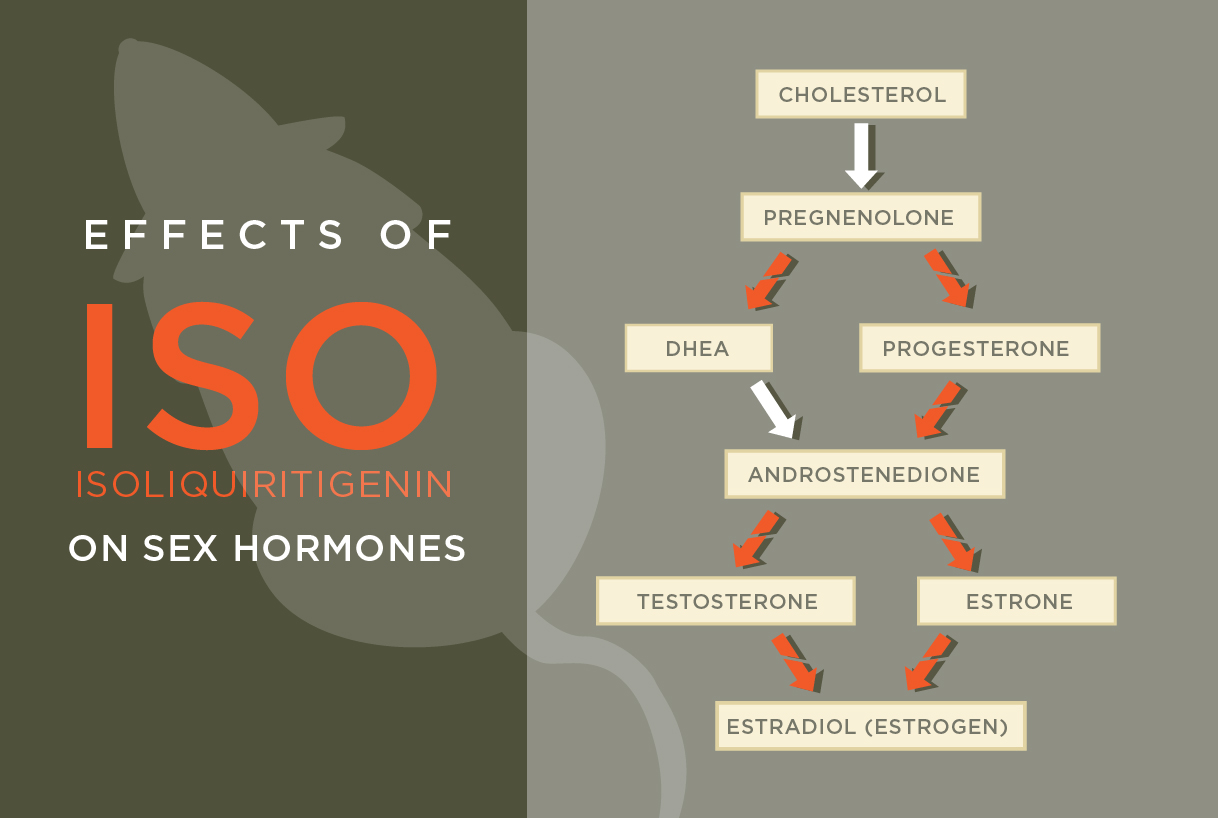
CHAMPAIGN, Ill. — A study of mouse reproductive tissues finds that exposure to isoliquiritigenin, a compound found in licorice, disrupts steroid sex hormone production in the ovary, researchers report. This is the first study to examine the effects of this chemical on the ovary.
Exposure to high levels of the compound, which the researchers call "iso," lowered the expression of key genes involved in hormone production, the researchers found. In particular, expression of a gene for aromatase, an enzyme that converts testosterone to estrogen, dropped by 50 percent or more.
The findings are reported in the journal Reproductive Toxicology.
Though preliminary – more research must be done to determine iso's effects in living animals – the discovery is concerning, said University of Illinois comparative biosciences professor Jodi Flaws, who led the study with researcher Sharada Mahalingam.
"In general, when you start to have lower hormone levels, you could start to have problems with reproduction," Flaws said. "And because estrogen is also important for healthy brains, healthy bones, a healthy cardiovascular system, if the levels are depleted for too long, you could have problems with those systems. We haven't shown that to be the case. That's just a possibility.
"I would say, though, that a 50-plus percent drop in aromatase in humans would be a serious problem for fertility and for other things," Flaws said.
Whole licorice root and purified forms of iso are used in herbal supplements, teas, candies and as flavoring agents in tobacco products. Iso is sometimes marketed to women for the relief of hot flashes or other symptoms of menopause, and studies have found that the root has anti-cancer properties for some types of breast, prostate and colon cancer, Mahalingam said.
The same properties that make iso effective against some cancers also might make it toxic to the normal growth and development of the ovary, Flaws said. Other aromatase inhibitors are already in use in oncology to stop the growth of tumors that respond to estrogen, but doctors warn of potential effects on fertility in women of child-bearing age. Use of iso to inhibit aromatase could have the same effects as other aromatase inhibitors, Flaws said.
"This could lead to a good outcome in certain tissues, depending on dose and timing of exposure," she said. "In the ovary, though, if you reduce aromatase, you're also reducing estrogen, so you could be interfering with fertility."
"Botanical estrogens are quite complex, and different tissues may have differential responses, depending on dosage," said food science and human nutrition professor William Helferich, the director of the Botanical Estrogen Research Center at the U. of I. and a co-author of the study.
The new findings are only the first step in understanding iso's role, if any, in influencing fertility, the researchers said.
###
The National Institutes of Health funded this research through the National Institute of Environmental Health Sciences, the National Center for Complementary and Alternative Medicine, and via a grant from the Office of the Director to veterinary student and study co-author Jacqueline Eisner. The National Cancer Institute Office of Dietary Supplements also supported this research.
Editor's notes:
To reach William Helferich, call 217-244-5414; email [email protected].
To reach Sharada Mahalingam, email [email protected].
The paper "Effects of isoliquiritigenin on ovarian antral follicle growth and steroidogenesis" is available online and from the U. of I. News Bureau.
DOI: 10.1016/j.reprotox.2016.10.004
Media Contact
Diana Yates
[email protected]
217-333-5802
@NewsAtIllinois
http://www.illinois.edu