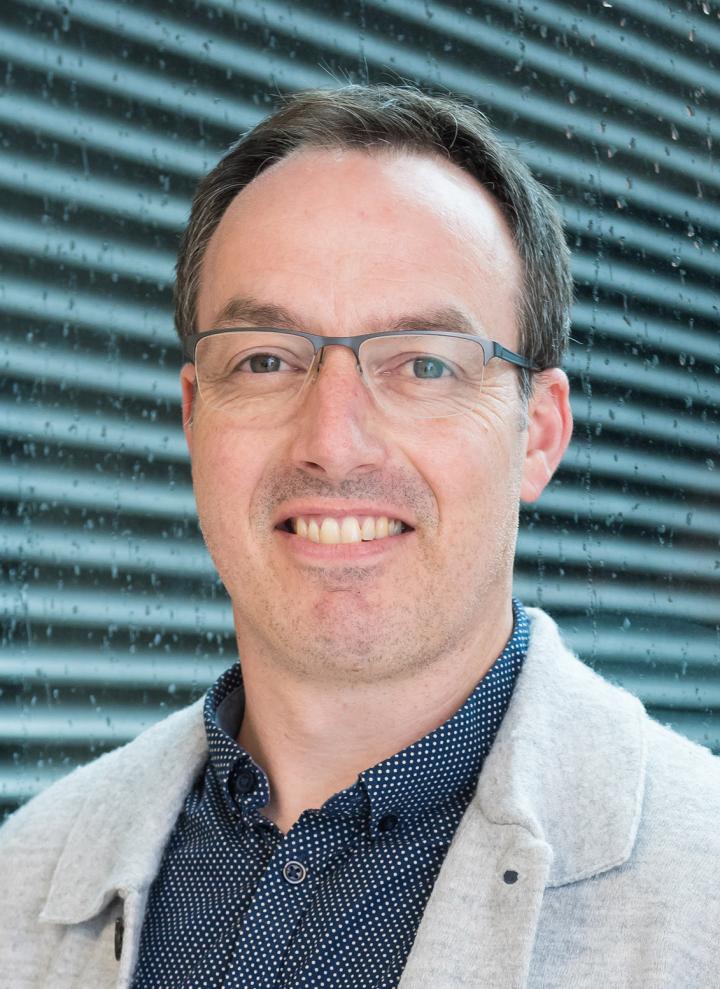
Credit: University of Otago
As New Zealand considers a bill looking to legalise euthanasia, an Otago University ethicist considers it’s time to shine the light on the ethical complications surrounding body donation and assisted dying.
Bioethicist Dr Jon Cornwall and his Canadian colleague Professor Bruce Wainman, director of of the Pathology and Molecular Medicine and Education Programme in Anatomy at McMaster University, have recently published a paper in the scientific journal Anatomical Sciences Education considering the matter of body donation after medically assisted death.
Currently, there is little discussion that focuses on the ethical issues around the acquisition of bodies for medical donation programmes following euthanasia, despite the fact it is now legalised in many countries.
Dr Cornwall and Professor Wainman say the process of receiving and using bodies from donors who undertake medical assistance in dying poses many challenges for those institutions engaged in the process, including a variety of ethical issues which have not been addressed. They are urging their global professional body, the International Federation of Associations of Anatomists to draft official guidance before moral quandaries inevitably arise.
Dr Cornwall believes it is a timely topic for New Zealand to consider as the End of Life Choice Bill is currently under consideration by the Government.
“The ongoing debate about euthanasia in this country includes many arguments about when, how and if a person should be able to choose when they die. Central to many of these arguments is the topic of coercion and whether a person is making a truly neutral decision about when they should die; it is therefore important to examine any factors that may unduly influence a person’s decision-making processes about when to end their life,” Dr Cornwall explains.
“The decision to donate one’s body to science is one such factor, and it is important that this topic is illuminated in the current debate about euthanasia, given the novelty of the area in question.”
The research investigates the experiences of the body donation at Dr Wainman’s university where several bodies have been donated to the anatomical donor programme after medically assisted death.
In Canada, the number of people using medical assistance in dying has risen rapidly since being legalised in 2016 and the experience at McMaster University suggests these people are more likely to donate their bodies for anatomical study.
However, the authors report McMaster University’s experience shows there are a number of ethical issues surrounding the new source of bodies including whether institutions should or will in fact accept these bodies, addressing consent issues from a potentially vulnerable population and ensuring faculty, staff and students are effectively engaged, supported and informed about the process around medically-assisted dying.
Dr Cornwall says despite the myriad of ethical questions presented, body donations after medically assisted dying do present unique learning opportunities that could positively impact the education and professionalism of medical and other healthcare students.
‘However, how best to effectively guide such unique educational challenges is currently unclear.
“It is hoped ongoing engagement on the topic will be useful to guide the development of ethical guidelines and practices for the utilisation of these bodies in anatomy education and research.”
###
For further information, contact:
Dr Jon Cornwall
Otago Medical School
Mob + 64 22 103 455
Email [email protected]
Liane Topham-Kindley
Senior Communications Adviser
Tel +64 3 479 9065
Mob +64 21 279 9065
Email [email protected]
Media Contact
Liane Topham-Kindley
[email protected]
Original Source
https:/
Related Journal Article
http://dx.