

• HOME
  • NEWS
  • EXPLORE
    • CAREER
      • Companies
      • Jobs
    • EVENTS
    • iGEM
      • News
      • Team
    • PHOTOS
    • VIDEO
    • WIKI
  • BLOG
  • COMMUNITY
    • FACEBOOK
    • INSTAGRAM
    • TWITTER
Wednesday, December 31, 2025
BIOENGINEER.ORG
No Result
View All Result
  • Login
  • HOME
  • NEWS
  • EXPLORE
    • CAREER
      • Companies
      • Jobs
        • Lecturer
        • PhD Studentship
        • Postdoc
        • Research Assistant
    • EVENTS
    • iGEM
      • News
      • Team
    • PHOTOS
    • VIDEO
    • WIKI
  • BLOG
  • COMMUNITY
    • FACEBOOK
    • INSTAGRAM
    • TWITTER
  • HOME
  • NEWS
  • EXPLORE
    • CAREER
      • Companies
      • Jobs
        • Lecturer
        • PhD Studentship
        • Postdoc
        • Research Assistant
    • EVENTS
    • iGEM
      • News
      • Team
    • PHOTOS
    • VIDEO
    • WIKI
  • BLOG
  • COMMUNITY
    • FACEBOOK
    • INSTAGRAM
    • TWITTER
No Result
View All Result
Bioengineer.org
No Result
View All Result
Home NEWS Science News Science

More frequent vaping among teens linked to higher risk of heavy cigarette smoking

Bioengineer by Bioengineer
November 8, 2016
in Science
Reading Time: 2 mins read
0
Share on FacebookShare on TwitterShare on LinkedinShare on RedditShare on Telegram

In a study appearing in the November 8 issue of JAMA, Adam M. Leventhal, Ph.D., of the University of Southern California Keck School of Medicine, Los Angeles, and colleagues examined associations of e-cigarette vaping with subsequent smoking frequency and heavy smoking among adolescents.

E-cigarette vaping is reported by 37 percent of U.S. 10th-grade adolescents and is associated with subsequent initiation of combustible cigarette smoking. Whether individuals who vape and transition to combustible cigarettes are experimenting or progress to more frequent and heavy smoking is unknown. In addition, because some adolescents use e-cigarettes as a smoking cessation aid, adolescent smokers who vape could be more likely to reduce their smoking levels over time.

This study consisted of an analysis of data from surveys administered to 10th grade students in ten public high schools in Los Angeles County during the fall (baseline for this report) and spring (6-month follow-up) of 2014-2015. Surveys included e-cigarette and combustible cigarette use questions from prior research, which were used to determine baseline vaping and baseline and follow-up past 30-day smoking frequency and heaviness.

Students with complete vaping and smoking data at baseline and follow-up constituted the analytic sample (n = 3,084; 54 percent girls; baseline average age, 15.5 years). The prevalence rates of past 30-day vaping and smoking were low overall. Smoking frequency at follow-up was proportionately greater with successively higher levels of baseline vaping. Similar trends were found for smoking heaviness.

Adjusting for baseline smoking, each increment higher on the 4-level baseline vaping frequency continuum was associated with proportionally higher odds of smoking at a greater level of frequency and heaviness by follow-up. The positive association between baseline vaping and follow-up smoking frequency was stronger among baseline nonsmokers than baseline infrequent and frequent smokers; similar trends were found for smoking heaviness.

"The role of nicotine and generalizability of these results to other locations and ages, longer follow-up periods, and non-self-report assessments are unknown and merit further inquiry. The transition from vaping to smoking may warrant particular attention in tobacco control policy," the authors write.

###

(doi:10.1001/jama.2016.14649; the study is available pre-embargo at the For the Media website)

Editor's Note: This research was supported by grants from the National Institutes of Health. The authors have completed and submitted the ICMJE Form for Disclosure of Potential Conflicts of Interest and none were reported.

Media Contact

Zen Vuong
[email protected]
213-740-5277
@JAMA_current

http://www.jamamedia.org
Share12Tweet8Share2ShareShareShare2

Related Posts

Five or more hours of smartphone usage per day may increase obesity

July 25, 2019
IMAGE

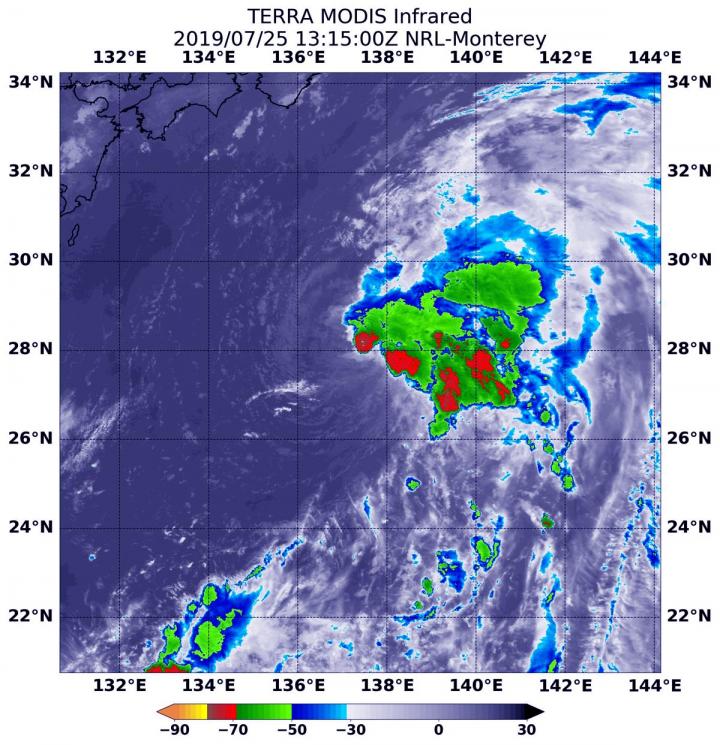
NASA’s terra satellite finds tropical storm 07W’s strength on the side

July 25, 2019

NASA finds one burst of energy in weakening Depression Dalila

July 25, 2019

Researcher’s innovative flood mapping helps water and emergency management officials

July 25, 2019
Please login to join discussion

POPULAR NEWS

  • blank

    PTSD, Depression, Anxiety in Childhood Cancer Survivors, Parents

    105 shares
    Share 42 Tweet 26
  • NSF funds machine-learning research at UNO and UNL to study energy requirements of walking in older adults

    71 shares
    Share 28 Tweet 18
  • Exploring Audiology Accessibility in Johannesburg, South Africa

    52 shares
    Share 21 Tweet 13
  • Nurses’ Views on Online Learning: Effects on Performance

    71 shares
    Share 28 Tweet 18

About

We bring you the latest biotechnology news from best research centers and universities around the world. Check our website.

Follow us

Recent News

4R-Tau Seeding Uncovers Progressive Supranuclear Palsy Subtypes

Fluid Dynamics Reveal Hemifacial Spasm Vessel Insights

Methionine Restriction Reverses Kidney Fibrosis Epigenetically

Subscribe to Blog via Email

Enter your email address to subscribe to this blog and receive notifications of new posts by email.

Join 71 other subscribers
  • Contact Us

Bioengineer.org © Copyright 2023 All Rights Reserved.

Welcome Back!

Login to your account below

Forgotten Password?

Retrieve your password

Please enter your username or email address to reset your password.

Log In
No Result
View All Result
  • Homepages
    • Home Page 1
    • Home Page 2
  • News
  • National
  • Business
  • Health
  • Lifestyle
  • Science

Bioengineer.org © Copyright 2023 All Rights Reserved.
