• HOME
  • NEWS
  • EXPLORE
    • CAREER
      • Companies
      • Jobs
    • EVENTS
    • iGEM
      • News
      • Team
    • PHOTOS
    • VIDEO
    • WIKI
  • BLOG
  • COMMUNITY
    • FACEBOOK
    • INSTAGRAM
    • TWITTER
Thursday, May 28, 2026
BIOENGINEER.ORG
No Result
View All Result
  • Login
  • HOME
  • NEWS
  • EXPLORE
    • CAREER
      • Companies
      • Jobs
        • Lecturer
        • PhD Studentship
        • Postdoc
        • Research Assistant
    • EVENTS
    • iGEM
      • News
      • Team
    • PHOTOS
    • VIDEO
    • WIKI
  • BLOG
  • COMMUNITY
    • FACEBOOK
    • INSTAGRAM
    • TWITTER
  • HOME
  • NEWS
  • EXPLORE
    • CAREER
      • Companies
      • Jobs
        • Lecturer
        • PhD Studentship
        • Postdoc
        • Research Assistant
    • EVENTS
    • iGEM
      • News
      • Team
    • PHOTOS
    • VIDEO
    • WIKI
  • BLOG
  • COMMUNITY
    • FACEBOOK
    • INSTAGRAM
    • TWITTER
No Result
View All Result
Bioengineer.org
No Result
View All Result
Home NEWS Science News

Gulf oil spill research featured in special issue

Bioengineer by Bioengineer
November 3, 2016
in Science News
Reading Time: 2 mins read
0
Share on FacebookShare on TwitterShare on LinkedinShare on RedditShare on Telegram
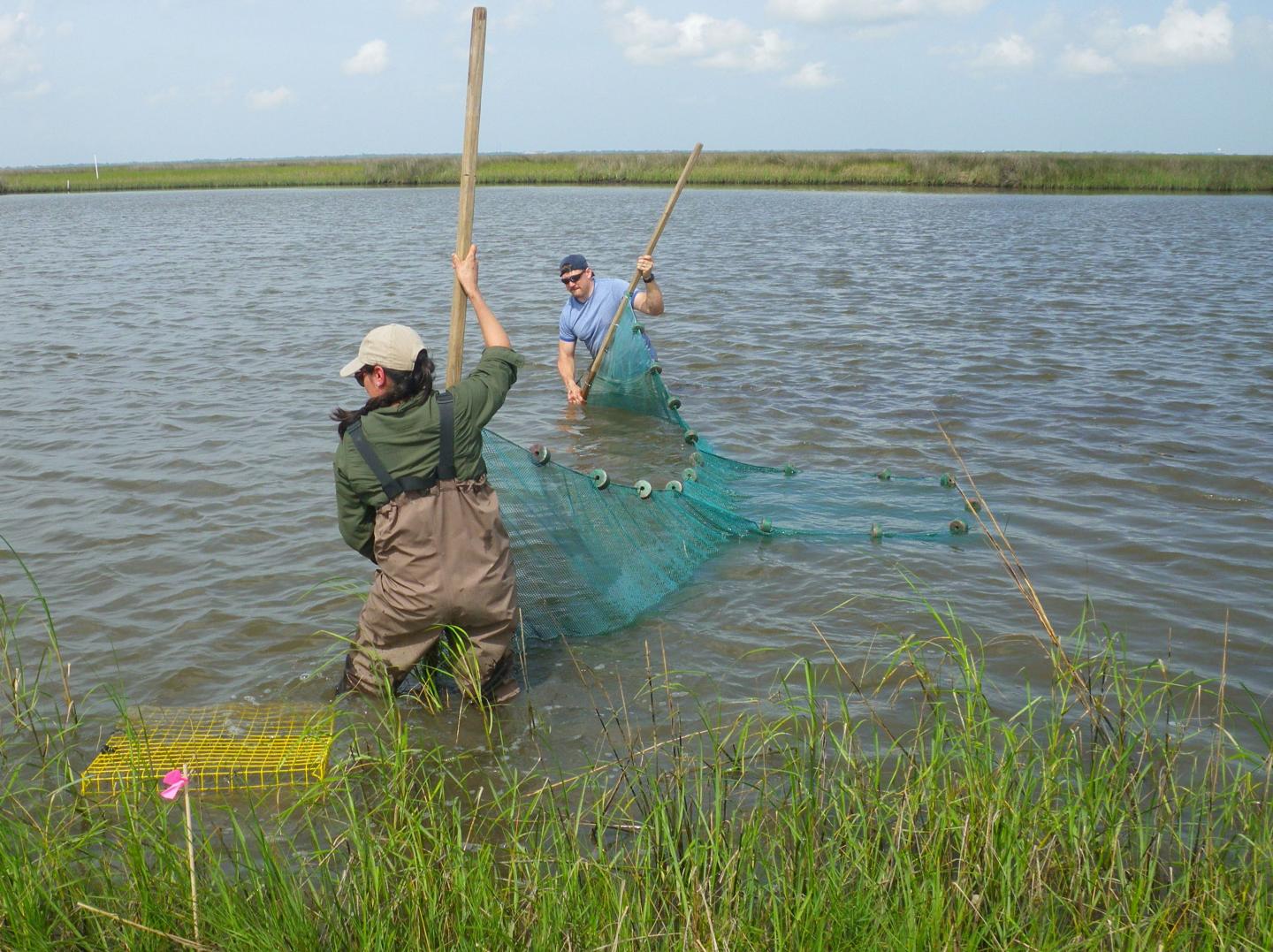
IMAGE

Credit: Coastal Waters Consortium

The Deepwater Horizon oil spill was not only the largest ecological disaster in the U.S., but it has become the most scientifically researched oil spill. Six years since the disaster, researchers from various fields have gathered data on the environmental, economic and health impacts. Many of these research findings, including a number by LSU researchers, have been compiled in a special issue of The Oceanography Society's magazine, Oceanography.

"The oil spill was an incredible human and environmental tragedy. The silver lining to that cloud is it has provided the resources for us to learn a lot more about a part of the Gulf of Mexico that we didn't know about – the deep sea. It's a new frontier," said LSU College of the Coast & Environment Associate Dean Richard Shaw, who is also the co-chair of the Gulf of Mexico Research Initiative Synthesis and Legacy Committee.

This special issue includes leading scientific contributions by LSU faculty, researchers and graduate students. For example, the work by LSU Department of Environmental Sciences Emeritus Professor Ed Overton has advanced the understanding about the chemical complexity of crude oil, how it weathers and how to track it over time.

"Offshore and coastal Louisiana bore the brunt of the damages from this oil spill, and we are fortunate to be able to study and document its damages and consequences. It is also an opportunity to highlight the importance of Louisiana not just as an energy-producing state, but as a state with one of the largest and most productive coastal wetlands and fisheries in our country," Overton said.

From the disaster, more than 1,000 kilometers of wetlands were oiled in Louisiana. Marshes lost due to oiling and shoreline erosion will not come back. LSU Department of Oceanography & Coastal Sciences Shell Chair Nancy Rabalais and Boyd Professor R. Eugene Turner synthesize the key results from published research on the effects of the oil on coastal habitats and its inhabitants from microbes to vertebrates thus far.

"These post-spill studies build a baseline for understanding future large-scale perturbations, and the documentation of oil spill impacts will, perhaps, provide a basis for avoiding, rather than accommodating, some of them," Turner said.

The Gulf of Mexico Research Initiative, or GoMRI, will continue to fund research pertaining to the oil spill through 2020. Additional data and analyses will be made available through this period.

"I think Gulf of Mexico science has been elevated since the oil spill and the research investment," Shaw said. "I think we're much better prepared if and when another incident happens. We've developed the type of research tools, instruments and analyses to be able to respond more quickly and more effectively."

###

Media Contact

Alison Satake
[email protected]
225-578-3870
@LSUResearchNews

http://www.lsu.edu

Share12Tweet8Share2ShareShareShare2

Related Posts

MIT Researchers Create Affordable Method to Extract Lithium from Rocks — Chemistry

MIT Researchers Create Affordable Method to Extract Lithium from Rocks

May 28, 2026

Keck Foundation Awards Funding to Three Groundbreaking Early-Career Projects at Salk

May 28, 2026

Pain, Sleep, Depression Linked to Cognitive Decline

May 28, 2026

Miniaturized Passive Vacuum System Powers Cold Atom Sensors

May 28, 2026
Please login to join discussion

POPULAR NEWS

  • ESMO 2025: mRNA COVID Vaccines Enhance Efficacy of Cancer Immunotherapy

    318 shares
    Share 127 Tweet 80
  • Multi-Hospital Study Reveals Long Covid Burden Is Twice as High as Current Estimates

    70 shares
    Share 28 Tweet 18
  • New Study Reveals Plants Can Detect the Sound of Rain

    735 shares
    Share 293 Tweet 183
  • Common Food Preservatives Associated with Elevated Blood Pressure and Increased Heart Disease Risk

    56 shares
    Share 22 Tweet 14

About

We bring you the latest biotechnology news from best research centers and universities around the world. Check our website.

Follow us

Recent News

MIT Researchers Create Affordable Method to Extract Lithium from Rocks

Keck Foundation Awards Funding to Three Groundbreaking Early-Career Projects at Salk

Pain, Sleep, Depression Linked to Cognitive Decline

Subscribe to Blog via Email

Enter your email address to subscribe to this blog and receive notifications of new posts by email.

Join 82 other subscribers
  • Contact Us

Bioengineer.org © Copyright 2023 All Rights Reserved.

Welcome Back!

Login to your account below

Forgotten Password?

Retrieve your password

Please enter your username or email address to reset your password.

Log In
No Result
View All Result
  • Homepages
    • Home Page 1
    • Home Page 2
  • News
  • National
  • Business
  • Health
  • Lifestyle
  • Science

Bioengineer.org © Copyright 2023 All Rights Reserved.