

• HOME
  • NEWS
  • EXPLORE
    • CAREER
      • Companies
      • Jobs
    • EVENTS
    • iGEM
      • News
      • Team
    • PHOTOS
    • VIDEO
    • WIKI
  • BLOG
  • COMMUNITY
    • FACEBOOK
    • INSTAGRAM
    • TWITTER
Friday, January 23, 2026
BIOENGINEER.ORG
No Result
View All Result
  • Login
  • HOME
  • NEWS
  • EXPLORE
    • CAREER
      • Companies
      • Jobs
        • Lecturer
        • PhD Studentship
        • Postdoc
        • Research Assistant
    • EVENTS
    • iGEM
      • News
      • Team
    • PHOTOS
    • VIDEO
    • WIKI
  • BLOG
  • COMMUNITY
    • FACEBOOK
    • INSTAGRAM
    • TWITTER
  • HOME
  • NEWS
  • EXPLORE
    • CAREER
      • Companies
      • Jobs
        • Lecturer
        • PhD Studentship
        • Postdoc
        • Research Assistant
    • EVENTS
    • iGEM
      • News
      • Team
    • PHOTOS
    • VIDEO
    • WIKI
  • BLOG
  • COMMUNITY
    • FACEBOOK
    • INSTAGRAM
    • TWITTER
No Result
View All Result
Bioengineer.org
No Result
View All Result
Home NEWS Science News Science

UBC researchers create new method to classify dangerous sex offenders

Bioengineer by Bioengineer
October 31, 2016
in Science
Reading Time: 2 mins read
0
Share on FacebookShare on TwitterShare on LinkedinShare on RedditShare on Telegram
IMAGE

Credit: UBC

UBC researchers have developed a new classification system that could help police solve sex crimes. Using classified anonymous police case files and court records, researchers at UBC's Okanagan campus uncovered new subtypes of high-risk sexual offenders that could give police insight into the behaviour of convicted sex offenders who have been released into the community.

"These are offenders who have an extremely-high probability of reoffending, but they have timed-out of the system and are released," says Kimberly Kaseweter, a PhD student at UBC. "A lot of people don't understand that these high-risk sexual offenders are often treated the same way as non-violent offenders, once released, in regards to community supervision and treatment."

Kaseweter, and UBC Okanagan psychology Professor Michael Woodworth, worked with former RCMP Staff Sergeant and psychologist Matt Logan, who helped facilitate access to the classified case files.

Using details from the crime scenes, Kaseweter and Woodworth used a statistical technique called Latent Class analyses to uncover three distinct groups of these offenders–coercive child molesters, sadistic rapists, and stranger-focused offenders.

Kaseweter says they used details of the crime scene and statistical models to reveal profiles that police can use to help identify the type the offender they are looking for. Then by using additional variables, such as use of weapon, violence, and sadism, police can narrow the search for probable suspects.

"Categorizing these offenders will have a real world impact for the front line workers in the Canadian justice system and help in investigations," says Kaseweter, noting that 44 per cent of sexual offenses against women remain unsolved. "This will also have a major influence on treatment and will also hopefully reduce recidivism."

Woodworth, who teaches forensic psychology, criminal behaviour and deception detection, says the ultimate goal of the classification tool is to make Canadian communities safer from predators. The information can be used to predict characteristics of the offender, and their behaviour before a crime takes place.

"Findings from this study highlight the diversity and complexity of the highest-risk group of sexual offenders in Canada, and also reveal important investigative, therapeutic and preventative implications," says Woodworth. "In addition to helping law enforcement, this could also be a valuable tool for mental health professionals who may eventually work with these offenders."

Kaseweter will present this research at an international conference for the treatment of sexual abusers. The research was recently published in the Journal of Criminal Justice.

###

Media Contact

Matthew Grant
[email protected]
778-628-3093

http://ok.ubc.ca/welcome.html
Share12Tweet8Share2ShareShareShare2

Related Posts

Five or more hours of smartphone usage per day may increase obesity

July 25, 2019
IMAGE

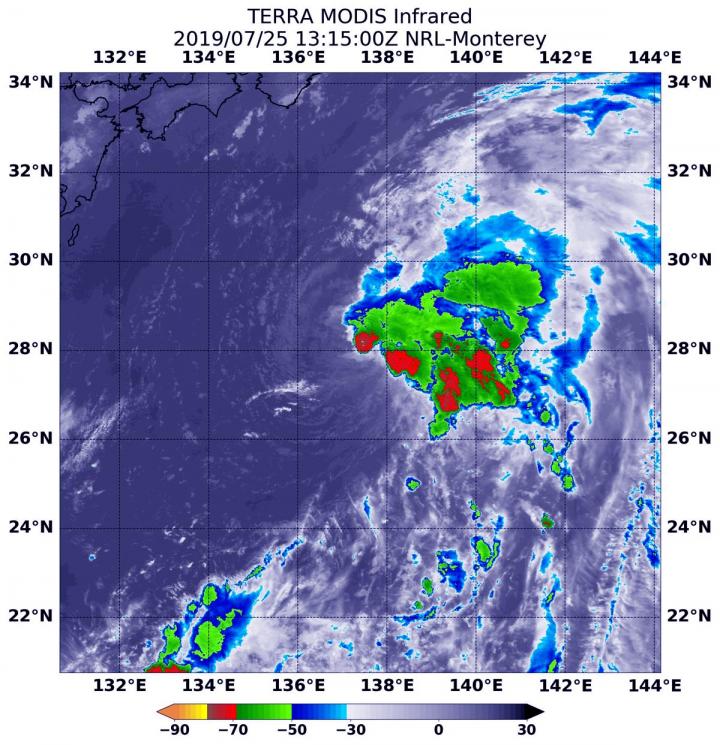
NASA’s terra satellite finds tropical storm 07W’s strength on the side

July 25, 2019

NASA finds one burst of energy in weakening Depression Dalila

July 25, 2019

Researcher’s innovative flood mapping helps water and emergency management officials

July 25, 2019
Please login to join discussion

POPULAR NEWS

  • Enhancing Spiritual Care Education in Nursing Programs

    156 shares
    Share 62 Tweet 39
  • PTSD, Depression, Anxiety in Childhood Cancer Survivors, Parents

    148 shares
    Share 59 Tweet 37
  • Robotic Ureteral Reconstruction: A Novel Approach

    80 shares
    Share 32 Tweet 20
  • Digital Privacy: Health Data Control in Incarceration

    62 shares
    Share 25 Tweet 16

About

BIOENGINEER.ORG

We bring you the latest biotechnology news from best research centers and universities around the world. Check our website.

Follow us

Recent News

Exploring the Genomic Features of Endometrial Polyps

Unlocking Treatment-Resistant Cervical Cancers Through Proteogenomics

3T T2 Mapping of Cartilage and Menisci in Diabetes

Subscribe to Blog via Email

Enter your email address to subscribe to this blog and receive notifications of new posts by email.

Join 71 other subscribers
  • Contact Us

Bioengineer.org © Copyright 2023 All Rights Reserved.

Welcome Back!

Login to your account below

Forgotten Password?

Retrieve your password

Please enter your username or email address to reset your password.

Log In
No Result
View All Result
  • Homepages
    • Home Page 1
    • Home Page 2
  • News
  • National
  • Business
  • Health
  • Lifestyle
  • Science

Bioengineer.org © Copyright 2023 All Rights Reserved.
