• HOME
  • NEWS
  • EXPLORE
    • CAREER
      • Companies
      • Jobs
    • EVENTS
    • iGEM
      • News
      • Team
    • PHOTOS
    • VIDEO
    • WIKI
  • BLOG
  • COMMUNITY
    • FACEBOOK
    • INSTAGRAM
    • TWITTER
Sunday, May 10, 2026
BIOENGINEER.ORG
No Result
View All Result
  • Login
  • HOME
  • NEWS
  • EXPLORE
    • CAREER
      • Companies
      • Jobs
        • Lecturer
        • PhD Studentship
        • Postdoc
        • Research Assistant
    • EVENTS
    • iGEM
      • News
      • Team
    • PHOTOS
    • VIDEO
    • WIKI
  • BLOG
  • COMMUNITY
    • FACEBOOK
    • INSTAGRAM
    • TWITTER
  • HOME
  • NEWS
  • EXPLORE
    • CAREER
      • Companies
      • Jobs
        • Lecturer
        • PhD Studentship
        • Postdoc
        • Research Assistant
    • EVENTS
    • iGEM
      • News
      • Team
    • PHOTOS
    • VIDEO
    • WIKI
  • BLOG
  • COMMUNITY
    • FACEBOOK
    • INSTAGRAM
    • TWITTER
No Result
View All Result
Bioengineer.org
No Result
View All Result
Home NEWS Science News Biology

Study looks at ranger motivation in dangerous African park

Bioengineer by Bioengineer
January 22, 2019
in Biology
Reading Time: 3 mins read
0
IMAGE
Share on FacebookShare on TwitterShare on LinkedinShare on RedditShare on Telegram

IMAGE

Credit: Andrew Kirkby

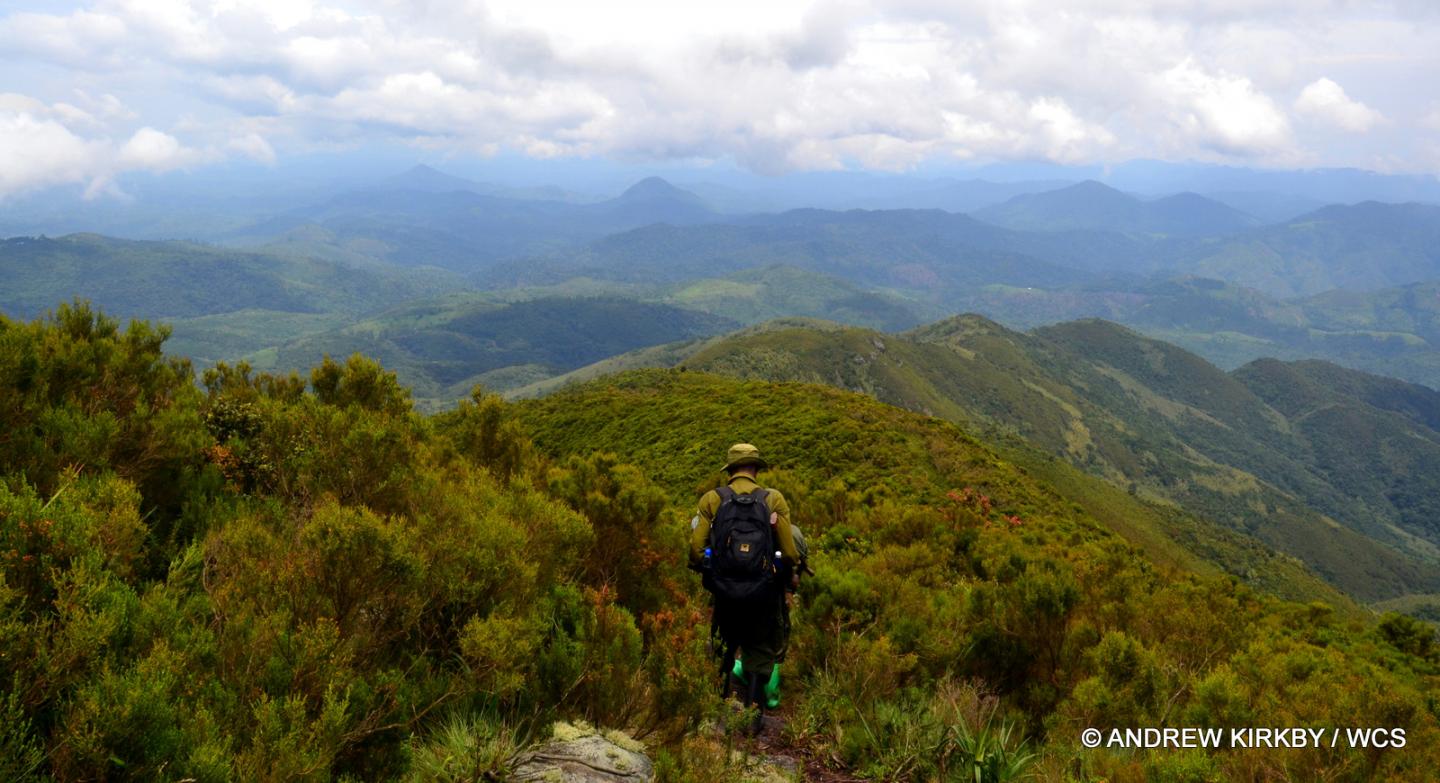
A new study by WCS looks at the job satisfaction of front line conservation rangers working in challenging conditions at a national park in the eastern Democratic Republic of the Congo (DRC) and identifies ways to improve motivation to make them more effective at enforcing the law.

Very little research has been conducted into the wellbeing of the rangers and staff who work in the field of conservation, how motivated they are and what this might mean for the conservation work they do. Rangers who are not motivated to do their job won’t be effective at protecting wildlife in the parks where they work. This study was a unique opportunity to give park rangers in this part of the world a voice through one-on-one interviews to express what they liked and disliked about their job, and what affected their motivation. Kahuzi-Biega National Park, located in eastern DRC, was chosen as a case study to assess these aspects of the rangers’ lives.

The new study appears today in the journal Oryx. The authors are: Charlotte Spira and Andrew Kirkby of WCS, and Andrew Plumptre, formerly with WCS and now with Birdlife International.

“We found that park rangers often started out optimistic and motivated, but as time passed their motivation and job satisfaction decreased” said WCS researcher Charlotte Spira, the lead author of the study. “However, there are a number of ways that this can be improved. In order to keep park rangers motivated and satisfied, managers need to provide rangers with a salary that reflects the cost of living and the risks associated with the job, have more regular occurrences and opportunities to promote rangers, provide internal and external recognition for their work, positive performance incentives, and improved living conditions in remote patrol posts. Without a guarantee of security, rangers are unmotivated to conduct patrols and are less able to do their job effectively, which include protecting highly endangered species such as the Grauer’s gorilla that can only be found in this part of the world.”

Meanwhile the context in eastern DRC continues to be extremely challenging. This region has a huge quantity of weapons in circulation left from the civil war that broke out in 1996, as well as ongoing conflict involving the multitude of armed groups that are active in the region (many within national parks). Rangers need to be adequately equipped and trained with which to deal with these situations effectively and responsibly. The rangers’ day-to-day patrol duties in national parks often lead to life threatening situations during encounters with armed militias who are exploiting natural resources illegally. Furthermore, wildlife offenders who are arrested and transferred to local courts are often freed after a short period of time, and sometimes retaliate against the rangers involved in their arrest.

“The country’s judicial system needs to be improved to ensure offenders serve the time they are sentenced and get punished if they retaliate against rangers” said Richard Tshombe, Director for WCS’s Democratic Republic of Congo Program. “Specific legal measures and clear directives also need to be put in place that recognize the dangers rangers face in their day to day jobs and support them in acting responsibly during armed confrontations’.

###

This work was supported by the U.S. Agency for International Development.

Media Contact
Stephen Sautner
[email protected]
718-220-3682

Original Source

https://newsroom.wcs.org/News-Releases/articleType/ArticleView/articleId/11835/WCS-Leads-First-Study-to-Look-into-Ranger-Motivation-to-Improve-Law-Enforcement-Effectiveness-in-DRCongo.aspx

Related Journal Article

http://dx.doi.org/10.1017/S0030605318000856

Tags: BiodiversityBiologyEcology/EnvironmentLaw Enforcement/JurisprudenceViolence/Criminals
Share12Tweet8Share2ShareShareShare2

Related Posts

Ancient Plant Populations Reveal Fresh Insights into Climate Resilience — Biology

Ancient Plant Populations Reveal Fresh Insights into Climate Resilience

May 8, 2026
Rare Brain Disorders in Children Linked to Mutations in Lesser-Known Protein Complex — Biology

Rare Brain Disorders in Children Linked to Mutations in Lesser-Known Protein Complex

May 8, 2026

From Odd Insect to Underwater Predator: The Remarkable Evolution of a Bloodthirsty Fruit Fly

May 8, 2026

SNU Professor Sangwoo Seo’s Team Develops Next-Generation CRISPR Biocontainment Technology to Control Microbial Survival Without DNA Cleavage

May 8, 2026
Please login to join discussion

POPULAR NEWS

  • Research Indicates Potential Connection Between Prenatal Medication Exposure and Elevated Autism Risk

    840 shares
    Share 336 Tweet 210
  • New Study Reveals Plants Can Detect the Sound of Rain

    727 shares
    Share 290 Tweet 181
  • Scientists Investigate Possible Connection Between COVID-19 and Increased Lung Cancer Risk

    68 shares
    Share 27 Tweet 17
  • Salmonella Haem Blocks Macrophages, Boosts Infection

    61 shares
    Share 24 Tweet 15

About

We bring you the latest biotechnology news from best research centers and universities around the world. Check our website.

Follow us

Recent News

Evaluating Digoxin Use in Patients with Symptomatic Rheumatic Heart Disease

Evaluating the Effectiveness and Safety of Digitalis Glycosides in Treating Heart Failure

Urdu Fall Risk Questionnaire Adapted for Elderly

Subscribe to Blog via Email

Enter your email address to subscribe to this blog and receive notifications of new posts by email.

Join 82 other subscribers
  • Contact Us

Bioengineer.org © Copyright 2023 All Rights Reserved.

Welcome Back!

Login to your account below

Forgotten Password?

Retrieve your password

Please enter your username or email address to reset your password.

Log In
No Result
View All Result
  • Homepages
    • Home Page 1
    • Home Page 2
  • News
  • National
  • Business
  • Health
  • Lifestyle
  • Science

Bioengineer.org © Copyright 2023 All Rights Reserved.