


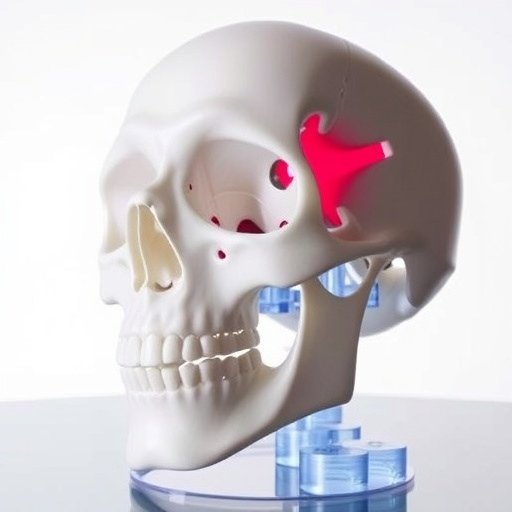
In the rapidly evolving field of medical technology, 3D printing has emerged as a transformative tool, particularly within the realm of acute maxillofacial trauma. An extensive overview of current literature indicates that the fusion of print technology and surgical practice is no longer merely speculative but a necessity in streamlining treatment paths and enhancing patient outcomes. With maxillofacial injuries presenting significant operational challenges, 3D printing offers solutions that not only reduce surgery times but also improve precision in reconstructive procedures.
The process of 3D printing begins with the acquisition of precise anatomical data, typically obtained from advanced imaging techniques such as CT or MRI scans. These imaging modalities allow for the construction of highly detailed digital models of a patient’s anatomy. Surgeons can manipulate these models to create custom-fit implants and surgical guides tailored to the unique features of each patient’s injury. This departure from one-size-fits-all approaches heralds a new era where interventions are meticulously planned and executed to accommodate individual biological variances.
One of the primary benefits of utilizing 3D printing in maxillofacial surgery is the significant reduction in the time required for surgery. Traditional methods often necessitate prolonged procedures influencing patient recovery times and potential hospital stays. However, with pre-printed surgical guides and implants, surgeons can operate with enhanced precision, facilitating quicker interventions. It’s not unusual now for complex surgeries to be completed in a fraction of the usual time, enhancing overall healthcare efficiency and resource allocation within surgical centers.
Moreover, the patient-specific nature of 3D printed components alleviates many of the complications typically associated with malalignment and improper fitting of implants. These issues are crucial, especially in the facial skeleton where aesthetics are paramount. Surgeons equipped with dedicated 3D printed solutions can ensure that the functional and aesthetic outcomes are congruent with the underlying anatomy, ultimately leading to improved patient satisfaction and quality of life following trauma surgery.
The integration of biomaterials in 3D printing is another pivotal aspect worth noting. Researchers and practitioners are exploring a variety of materials that offer biocompatibility, structural integrity, and aesthetic similarity to bone and soft tissues. Currently, innovations in polymers and composites are leading the way, as they demonstrate capabilities for mimicking biological structures. The potential for both temporary and permanent use of these biomaterials makes them invaluable in acute settings, particularly when urgent and adaptable solutions are mandated.
In addition, educational advancements are being made through the utilization of 3D printing in training environments. Medical professionals can now utilize realistic models derived from patient data to practice surgical techniques before entering the operating room. This simulation not only builds surgeon confidence but also reduces the risk during actual procedures. Enhanced training through realistic practice scenarios is paving the way for a new generation of surgeons who are both proficient and prepared for the complexity of maxillofacial trauma.
Another crucial consideration within the 3D printing paradigm is the regulatory and ethical landscape that surrounds the technology. As this field rapidly advances, it is imperative that standards are set to ensure safety and efficacy. Regulatory bodies are beginning to formulate guidelines, which will become increasingly important as 3D printed solutions become commonplace across surgical disciplines. Accountability and traceability in the manufacturing process for medical devices, particularly those created through 3D printing, will be essential in maintaining patient safety and upholding healthcare standards.
Several case studies exemplify the success of 3D printing in acute maxillofacial trauma. Clinical reports reveal compelling accounts of patients who have undergone significant restoration of function and aesthetics facilitated through 3D-printed implants. These documented successes serve as testimonies to the potential of personalized medicine, wherein patient outcomes are optimized through tailored clinical applications. This aspect of 3D printing not only encourages further investment in research and development but also strengthens the case for broader adoption in surgical practice.
In conclusion, the impact of 3D printing on acute maxillofacial trauma is profound and expanding. With ongoing research revealing the technology’s potential, future implications suggest a continual enhancement of surgical interventions in this field. As technology advances, the capacity for creating increasingly complex and reliable solutions is assured. The collaborative efforts of engineers, surgeons, and material scientists will be essential in elucidating pathways that sustain this momentum forward.
As 3D printing becomes further integrated into surgical protocols, it is poised not only to redefine treatment approaches but to enhance patient engagement in their care processes. Absent in previous healthcare paradigms, this emphasis on individualization may well be the key to unlocking better outcomes.
The exhaustive nature of this exploration reflects a broader commitment to innovation in medicine, demonstrating that with creativity and technological advancement, the boundaries of what is possible in clinical settings are endlessly expanding. The accumulating evidence is ushering in a new chapter for maxillofacial surgery that will not only improve surgical precision but will redefine patient experiences following traumatic injuries.
In summary, the exploration of 3D printing technology in maxillofacial trauma surgery is not merely a novel trend; it represents a shift towards a more personalized and effective approach to medical care. The continuous adaptation and evolution of this technology will undoubtedly influence future developments in surgical practices, ensuring that patient care remains at the forefront of medical innovation.
Subject of Research: 3D printing and acute maxillofacial trauma
Article Title: 3D printing and acute maxillofacial trauma: an overview of the literature
Article References:
Bertin, E., Coussens, C., Brumpt, E. et al. 3D printing and acute maxillofacial trauma: an overview of the literature.
3D Print Med 11, 33 (2025). https://doi.org/10.1186/s41205-025-00285-8
Image Credits: AI Generated
DOI: https://doi.org/10.1186/s41205-025-00285-8
Keywords: 3D printing, maxillofacial trauma, personalized medicine, surgical innovation, patient-specific implants, clinical outcomes
Tags: 3D printing in maxillofacial surgeryacute trauma care innovationsadvanced imaging techniques in surgerybenefits of 3D printing in surgeryCT and MRI in medical modelingcustom-fit surgical guidesdigital models in healthcarepatient outcomes in trauma carepersonalized surgical implantsreconstructive procedures technologyreducing surgery times with 3D printingtransformative medical technology in maxillofacial treatment



