• HOME
  • NEWS
  • EXPLORE
    • CAREER
      • Companies
      • Jobs
    • EVENTS
    • iGEM
      • News
      • Team
    • PHOTOS
    • VIDEO
    • WIKI
  • BLOG
  • COMMUNITY
    • FACEBOOK
    • INSTAGRAM
    • TWITTER
Wednesday, May 20, 2026
BIOENGINEER.ORG
No Result
View All Result
  • Login
  • HOME
  • NEWS
  • EXPLORE
    • CAREER
      • Companies
      • Jobs
        • Lecturer
        • PhD Studentship
        • Postdoc
        • Research Assistant
    • EVENTS
    • iGEM
      • News
      • Team
    • PHOTOS
    • VIDEO
    • WIKI
  • BLOG
  • COMMUNITY
    • FACEBOOK
    • INSTAGRAM
    • TWITTER
  • HOME
  • NEWS
  • EXPLORE
    • CAREER
      • Companies
      • Jobs
        • Lecturer
        • PhD Studentship
        • Postdoc
        • Research Assistant
    • EVENTS
    • iGEM
      • News
      • Team
    • PHOTOS
    • VIDEO
    • WIKI
  • BLOG
  • COMMUNITY
    • FACEBOOK
    • INSTAGRAM
    • TWITTER
No Result
View All Result
Bioengineer.org
No Result
View All Result
Home NEWS Science News Stem Cells

Living organ regenerated for first time

Bioengineer by Bioengineer
April 8, 2014
in Stem Cells
Reading Time: 2 mins read
0
Share on FacebookShare on TwitterShare on LinkedinShare on RedditShare on Telegram

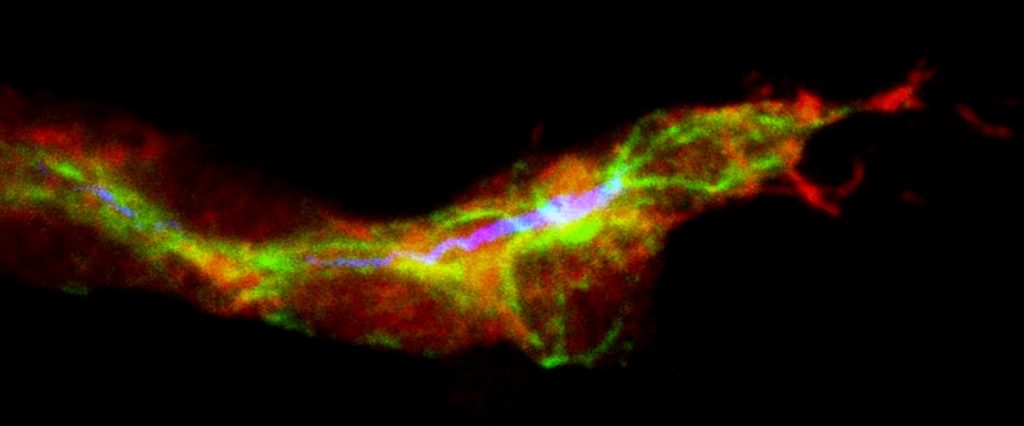
A team of scientists at the University of Edinburgh has succeeded in regenerating a living organ for the first time.
Living organ regenerated for first time
The team rebuilt the thymus – an organ in the body located next to the heart that produces important immune cells.

Immune repair

The advance could pave the way for new therapies for people with damaged immune systems and genetic conditions that affect thymus development.

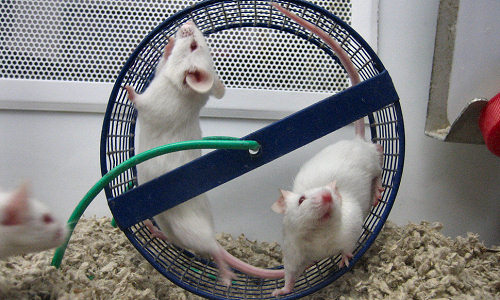
The team reactivated a natural mechanism that shuts down with age to rejuvenate the thymus in very old mice. After treatment, the regenerated organ had a similar structure to that found in a young mouse.

Function restored

The function of the thymus was also restored and the mice began making more white blood cells called T cells, which are important for fighting off infection. However, it is not yet clear whether the immune system of the mice was improved.

The study was led by researchers from the Medical Research Council Centre for Regenerative Medicine at the University of Edinburgh.

The researchers targeted a protein produced by cells of the thymus – called FOXN1 – which helps to control how important genes are switched on. By increasing levels of FOXN1, the team instructed stem cell-like cells to rebuild the organ.

“Our results suggest that targeting the same pathway in humans may improve thymus function and therefore boost immunity in elderly patients, or those with a suppressed immune system. However, before we test this in humans we need to carry out more work to make sure the process can be tightly controlled.” said Clare Blackburn, Professor of Tissue Stem Cell Biology, MRC Centre for Regenerative Medicine

Treatment hope

The thymus deteriorates with age, which is why older people are often more susceptible to infections such as flu.

The discovery could also offer hope to patients with DiGeorge syndrome, a genetic condition that causes the thymus to not develop properly.

“One of the key goals in regenerative medicine is harnessing the body’s own repair mechanisms and manipulating these in a controlled way to treat disease. This interesting study suggests that organ regeneration in a mammal can be directed by manipulation of a single protein, which is likely to have broad implications for other areas of regenerative biology.” said Dr Rob Buckle, Head of Regenerative Medicine, Medical Research Council

The study is published today in the journal Development.

Story Source:

The above story is based on materials provided by University of Edinburgh.
Share13Tweet8Share2ShareShareShare2

Related Posts

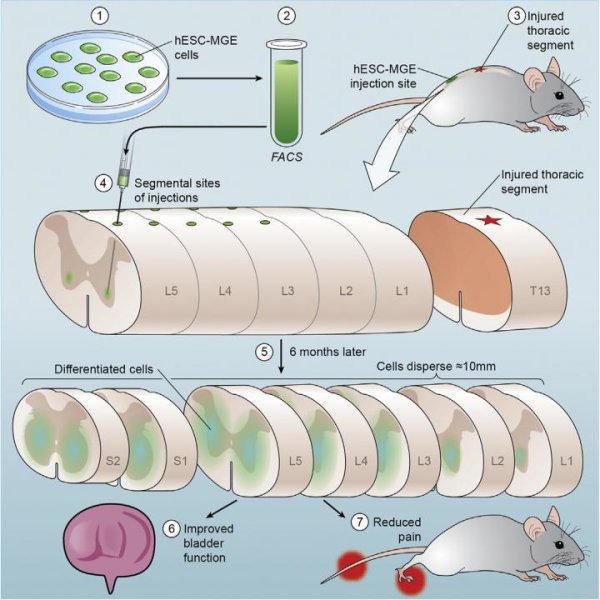
Human stem cells treat spinal cord injury side effects in mice

October 4, 2016

Research into fly development provides insights into blood vessel formation

September 30, 2016

Fertility genes required for sperm stem cells

September 28, 2016

Regulatory RNA essential to DNA damage response

September 27, 2016
Please login to join discussion

POPULAR NEWS

  • blank

    New Study Reveals Plants Can Detect the Sound of Rain

    732 shares
    Share 292 Tweet 183
  • Research Indicates Potential Connection Between Prenatal Medication Exposure and Elevated Autism Risk

    846 shares
    Share 338 Tweet 212
  • ESMO 2025: mRNA COVID Vaccines Enhance Efficacy of Cancer Immunotherapy

    276 shares
    Share 110 Tweet 69
  • Breastmilk Balances E. coli and Beneficial Bacteria in Infant Gut Microbiomes

    58 shares
    Share 23 Tweet 15

About

We bring you the latest biotechnology news from best research centers and universities around the world. Check our website.

Follow us

Recent News

Plant-Based Diet Lowers LDL in Familial Hypercholesterolemia

3D-Printed Soft Robot Predicts Tasks via AI

Tau Aggregates Trigger Neuronal Death via Z-RNA

Subscribe to Blog via Email

Enter your email address to subscribe to this blog and receive notifications of new posts by email.

Join 82 other subscribers
  • Contact Us

Bioengineer.org © Copyright 2023 All Rights Reserved.

Welcome Back!

Login to your account below

Forgotten Password?

Retrieve your password

Please enter your username or email address to reset your password.

Log In
No Result
View All Result
  • Homepages
    • Home Page 1
    • Home Page 2
  • News
  • National
  • Business
  • Health
  • Lifestyle
  • Science

Bioengineer.org © Copyright 2023 All Rights Reserved.