
Predictive Model Links Gut Microbiota and Neuroimaging to Alzheimer Severity
A cross-sectional study of 340 patients demonstrates that integrating gut microbiota metrics with neuroimaging features can predict Alzheimer's disease severity.
A cross-sectional study of 340 patients demonstrates that integrating gut microbiota metrics with neuroimaging features can predict Alzheimer's disease severity.

A retrospective study demonstrates that combining quantitative image descriptors with BI-RADS subcategories improves malignancy risk stratification for suspicious breast lesions.

A multicenter study has developed clinical models using routine perinatal and anesthesia data to estimate neonatal resuscitation and intensive care ...

A retrospective cohort study developed a six-variable nomogram to help rule out secondary bacterial infections in children hospitalised with respiratory ...

A study of older adults living with HIV identified distinct serum proteomic signatures and biological pathways associated with clinical frailty.

A retrospective study of 986 critically ill patients developed an internally validated nomogram incorporating age, glucose, lactate-to-albumin ratio, and D-dimer-to-fibrinogen ...
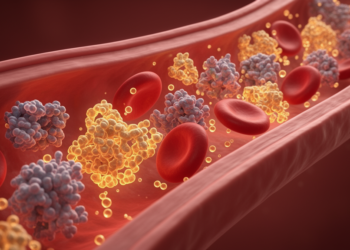
A retrospective analysis of UK Biobank data identifies a prediagnostic plasma proteomic signature associated with incident peripheral artery disease in ...

A machine-learning model utilizing six routine perioperative clinical variables accurately predicts intestinal failure-associated liver disease in infants following enterostomy for ...
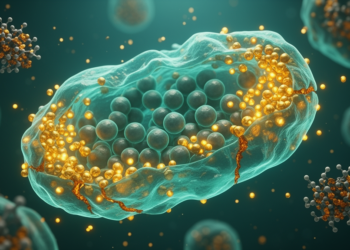
A multi-omics study analyzing 374 hepatocellular carcinoma patients identified a three-gene ferroptosis signature that predicts high risk and poor overall ...

A retrospective study of 616 ischemic stroke patients demonstrated that an XGBoost machine-learning model achieved high probabilistic discrimination across five ...

A simplified 11-variable random forest model predicted in-hospital mortality among ICU patients surviving 24 hours after traumatic brain injury with ...
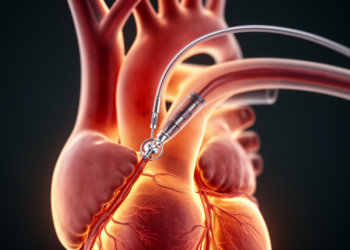
Preoperative echocardiographic evaluation of shunt angle and inlet visibility reliably predicts the success of exclusive transvenous patent ductus arteriosus closure.

A study of community-based chronic obstructive pulmonary disease patients found that an interpretable logistic regression model using six clinical predictors ...

A dual-cohort machine learning study found that preadmission metformin use was associated with significantly reduced odds of acute kidney injury ...

A retrospective cohort study of 210 hematological patients found that carbapenem-resistant Gram-negative bloodstream infections and elevated interleukin-6 concentrations strongly predicted ...

A retrospective cohort study developed an interpretable random forest model using eight early clinical biomarkers to accurately predict severe influenza ...

Pectolinarigenin inhibits colorectal cancer cell growth and progression by downregulating glycolytic enzymes and modulating AMPK/FOXO3a signaling pathways in preclinical models.

In a screening cohort of 4,583 men, machine learning models utilizing routinely collected health variables showed only modest predictive ability ...
Researchers developed and temporally validated a preoperative nomogram combining body roundness index, pericholecystic fluid, and fibrinogen to predict difficult laparoscopic ...

Researchers developed and internally validated an interpretable machine learning model predicting incident cardiovascular disease among adult cancer survivors following systemic ...