
Ecuadorian Plant Extract Reduces Food Poisoning Bacteria in Refrigerated Food Model
Extracts from the Ecuadorian plant Piper carpunya reduced Clostridium perfringens levels roughly 100-fold in a refrigerated risotto food model.
Extracts from the Ecuadorian plant Piper carpunya reduced Clostridium perfringens levels roughly 100-fold in a refrigerated risotto food model.
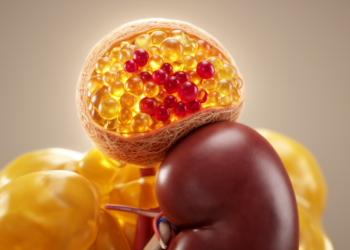
A retrospective CT study found that longitudinal changes in visceral fat thickness are independently associated with adrenal myelolipoma volume growth over time.

A genomic investigation of 393 harvested gray wolves across Idaho revealed persistent genetic diversity, widespread admixture, and moderate regional differentiation shaped by historical reintroductions and...

A study across eight Sub-Saharan African economies found that reinforcement learning with inflation regimes trimmed squared forecast errors relative to persistence but failed to outperform...

A genome-wide analysis of sugarcane cultivar R570 identified 3,395 putative bidirectional promoters whose structural retention and expression profiles diverge between ancient housekeeping modules and lineage-specific...

A secondary analysis of the BARI-OPTIMISE trial found that 24 weeks of liraglutide 3.0 milligrams preserved relative muscle strength and improved physical performance despite causing...
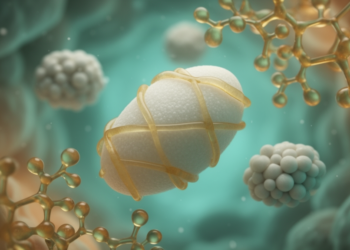
Endogenous lipids in high-lipid mutant rice lines restrict granule swelling, form non-covalent structural barriers, and promote resistant starch formation independent of apparent amylose content.
An eight-year-old boy in the United States with the exceedingly rare compound heterozygous hemoglobin condition HbS and HbE-Saskatoon maintained a benign clinical course with mild...
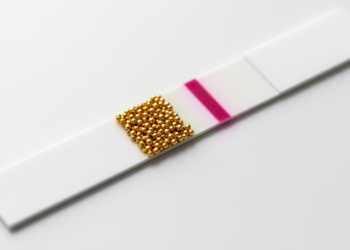
Novel gold and carbon nanoparticle-based strip assays detect transmissible gastroenteritis virus in under ten minutes with high specificity and strong PCR agreement.
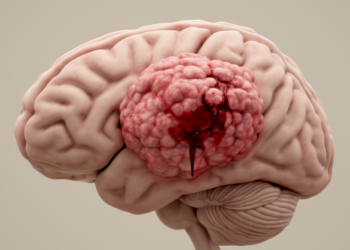
A study of glioblastoma patients indicates that intracranial hemorrhage occurs in roughly ten percent of cases at diagnosis but does not adversely impact overall survival...

Applying ultrasonic sound waves to protein samples during vitrification disrupts air–water interface binding and restores balanced particle orientations in cryo-electron microscopy.

Computer simulations demonstrate that artificial neural networks evolved for collective perception in robot swarms can be decoded into exact, human-readable decision rules.

A study evaluated a 2D Pix2Pix generative network for synthesizing breast cancer positron emission tomography scans from paired magnetic resonance images, finding dual inputs achieved...

A new lightweight AI model, LEDSNet, achieves high-accuracy cardiac beat classification on low-power devices while significantly reducing energy consumption.

Researchers discover that the embryonic selector gene Fezf2 is redeployed postnatally in mice to control inhibitory synapse assembly through Cadherin-22 in response to neuronal activity.