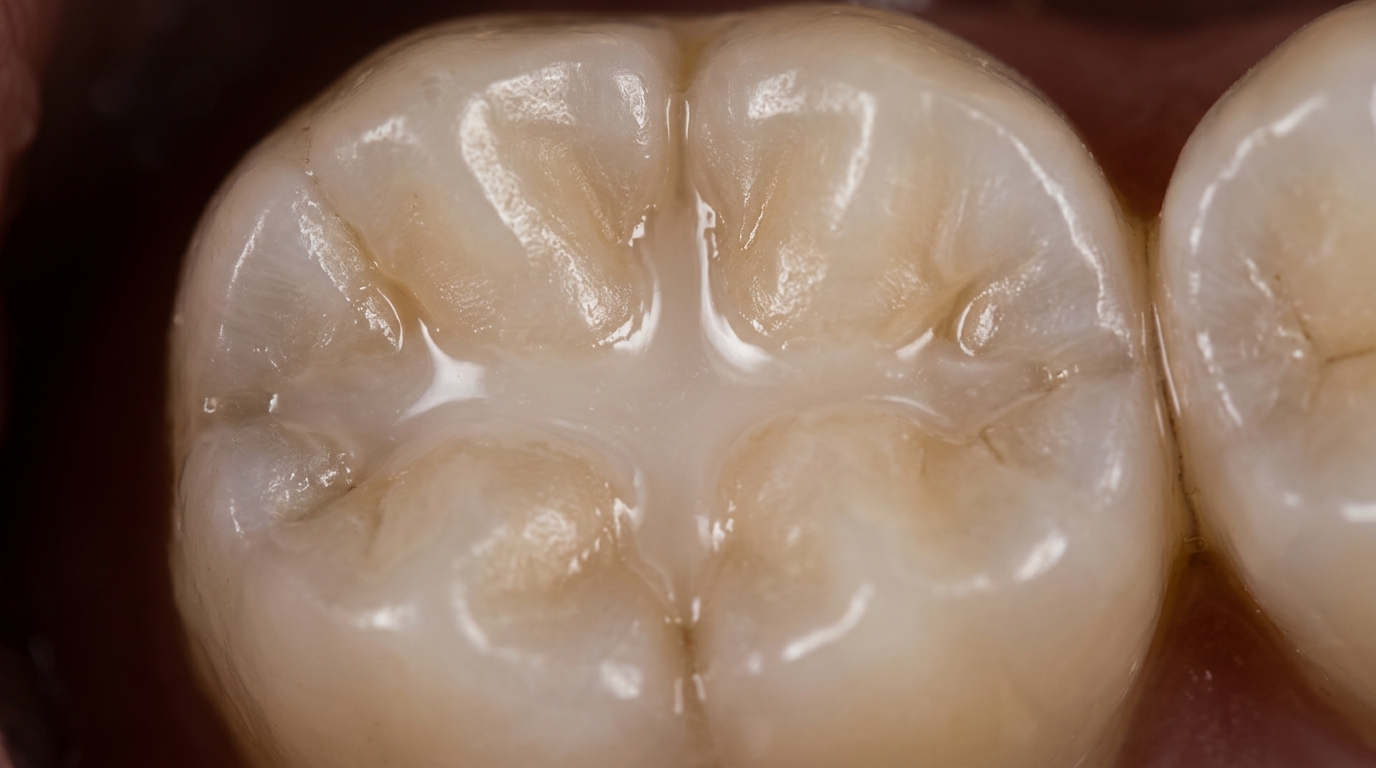
In an in vitro study evaluating pediatric dental materials, simulated toothbrushing combined with exposure to toothpaste slurry produced significant, material-dependent differences in fissure sealant performance. Researchers Edanur Gökce Meydan and Mehmet Ünal investigated how mechanical brushing cycles alter the retention, microhardness, and surface roughness of five distinct sealant types: resin-based sealants, giomer sealants, glass ionomer sealants, glass carbomer sealants, and self-adhesive flowable composites. Their laboratory evaluations revealed that resin-based sealants and self-adhesive flowable composites exhibited the most favorable retention outcomes under extended brushing conditions.
Pit and fissure sealants are widely applied to prevent dental caries in pediatric dentistry, but their clinical longevity can be influenced by routine toothbrushing practices. To examine how mechanical abrasion and slurry exposure impact sealant durability, the authors designed a standardized laboratory protocol comparing five restorative materials. The investigation evaluated whether simulated daily brushing affects material retention on tooth enamel or induces structural changes, specifically measuring longitudinal variations in microhardness and surface roughness over time.
The researchers prepared 120 caries-free extracted permanent third molars, assigning 24 teeth to each of the five sealant groups. Within each material group, the tooth specimens were randomly divided into two equal subgroups of 12 teeth each. One subgroup underwent simulated toothbrushing equivalent to six months of oral hygiene, totaling 5,000 brushing cycles. The second subgroup completed 10,000 cycles, representing twelve months of routine brushing. Retention on the molars was assessed using an ordinal visual scoring system focused on the most severely affected area of each tooth.
To assess physical material properties alongside retention, the team prepared 120 disc-shaped specimens, allocating 24 discs per material. Within each material group, 12 discs were assigned to microhardness testing and 12 were assigned to surface roughness testing. These disc specimens underwent 10,000 simulated brushing cycles with an interim assessment at 5,000 cycles. Longitudinal measurements were recorded directly from the same disc specimens at baseline, at the simulated six-month mark, and after twelve months of simulated brushing.
All tested specimens demonstrated complete retention, designated as Score A, at baseline. Following six and twelve months of simulated toothbrushing, resin-based sealants and self-adhesive flowable composites yielded the highest retention scores among the evaluated groups (p < 0.001). At the twelve-month evaluation, complete retention rates reached 91.7 percent for the self-adhesive flowable composite and 83.3 percent for both the resin-based and giomer-based sealants. Statistical analysis showed no significant differences in retention among these three leading materials (p > 0.05).
Conversely, glass ionomer-based and glass carbomer-based sealants displayed significantly lower retention, experiencing higher rates of partial and complete loss over time. Physical property evaluations revealed additional differences across materials. Surface roughness increased significantly only in the resin-based sealant group (p < 0.05). In contrast, microhardness decreased significantly over the twelve-month simulated testing period in both the self-adhesive flowable composite and glass carbomer groups (p < 0.05).
Statistical comparisons were conducted using Kruskal–Wallis, Dunn’s post hoc, Friedman, and Wilcoxon signed-rank tests with significance set at p < 0.05. The authors concluded that simulated toothbrushing with toothpaste slurry causes material-dependent changes in retention and surface characteristics. While resin-based and self-adhesive flowable sealants provided the best retention performance, the researchers noted that further clinical investigations are warranted to determine their long-term effectiveness in living patients.
Subject of Research: Effects of simulated toothbrushing on dental fissure sealant retention and surface properties
Article Title: Effect of toothbrushing on the retention of different fissure sealant materials: an in vitro study
Article References: Gökce Meydan, E., & Ünal, M. (2026). Effect of toothbrushing on the retention of different fissure sealant materials: an in vitro study. BMC Oral Health. https://doi.org/10.1186/s12903-026-10549-2
Image Credits: AI Generated
DOI: 10.1186/s12903-026-10549-2
Keywords: pit and fissure sealants, simulated toothbrushing, resin-based sealants, self-adhesive flowable composite, giomer sealants, glass ionomer sealants, glass carbomer, sealant retention, surface roughness, microhardness, toothpaste slurry, pediatric dentistry, caries prevention, permanent third molars, in vitro dental study, mechanical brushing cycles
News Source: Ophelia Keating. (November 28, 2026). Resin and Flowable Composite Sealants Show Highest Retention in Simulated Brushing Study. Scienmag.