• HOME
  • NEWS
  • EXPLORE
    • CAREER
      • Companies
      • Jobs
    • EVENTS
    • iGEM
      • News
      • Team
    • PHOTOS
    • VIDEO
    • WIKI
  • BLOG
  • COMMUNITY
    • FACEBOOK
    • INSTAGRAM
    • TWITTER
Sunday, February 8, 2026
BIOENGINEER.ORG
No Result
View All Result
  • Login
  • HOME
  • NEWS
  • EXPLORE
    • CAREER
      • Companies
      • Jobs
        • Lecturer
        • PhD Studentship
        • Postdoc
        • Research Assistant
    • EVENTS
    • iGEM
      • News
      • Team
    • PHOTOS
    • VIDEO
    • WIKI
  • BLOG
  • COMMUNITY
    • FACEBOOK
    • INSTAGRAM
    • TWITTER
  • HOME
  • NEWS
  • EXPLORE
    • CAREER
      • Companies
      • Jobs
        • Lecturer
        • PhD Studentship
        • Postdoc
        • Research Assistant
    • EVENTS
    • iGEM
      • News
      • Team
    • PHOTOS
    • VIDEO
    • WIKI
  • BLOG
  • COMMUNITY
    • FACEBOOK
    • INSTAGRAM
    • TWITTER
No Result
View All Result
Bioengineer.org
No Result
View All Result
Home NEWS Science News Biology

Individual quality trumps reproductive tradeoffs in ducks

Bioengineer by Bioengineer
February 8, 2018
in Biology
Reading Time: 2 mins read
0
Share on FacebookShare on TwitterShare on LinkedinShare on RedditShare on Telegram
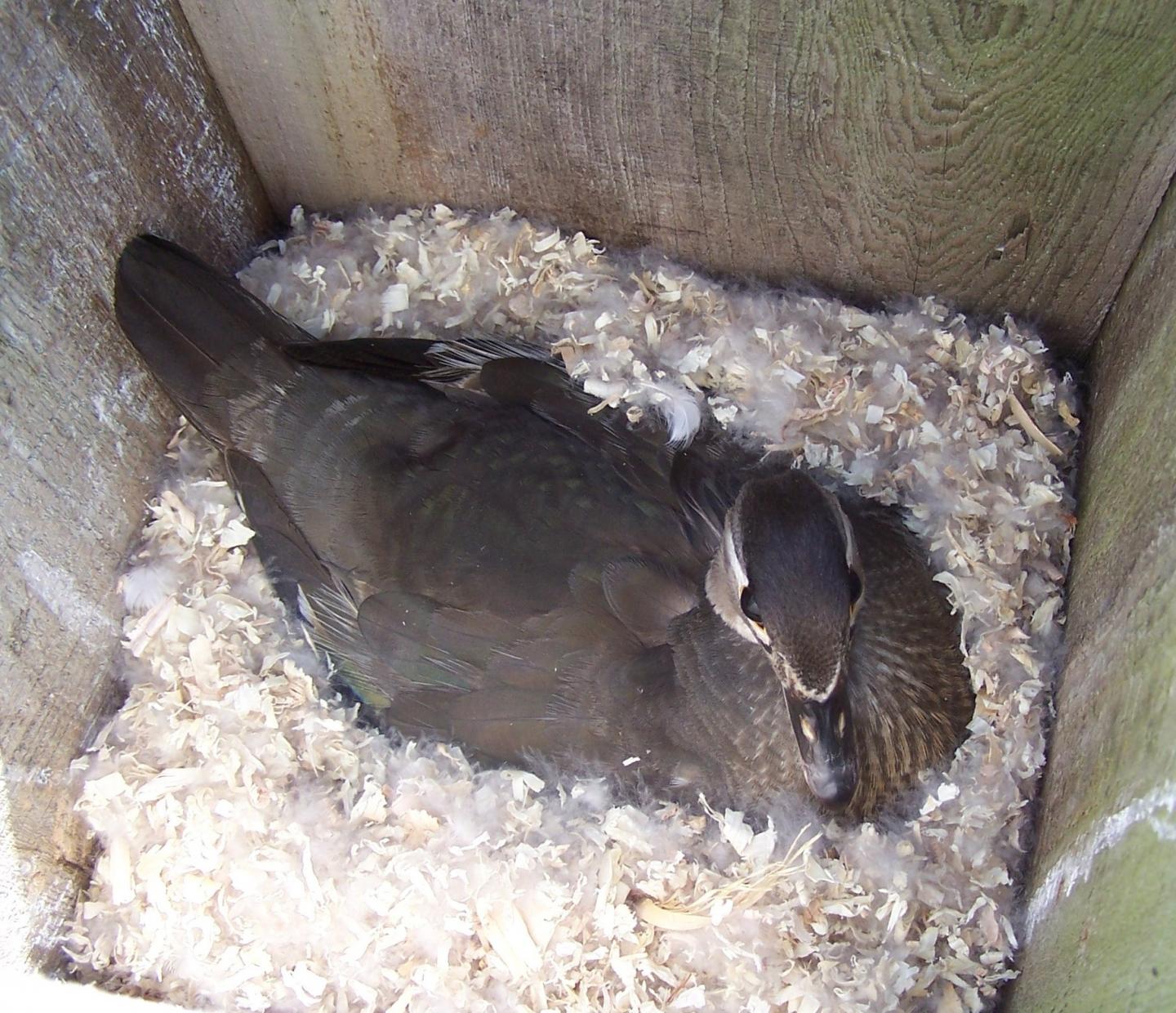
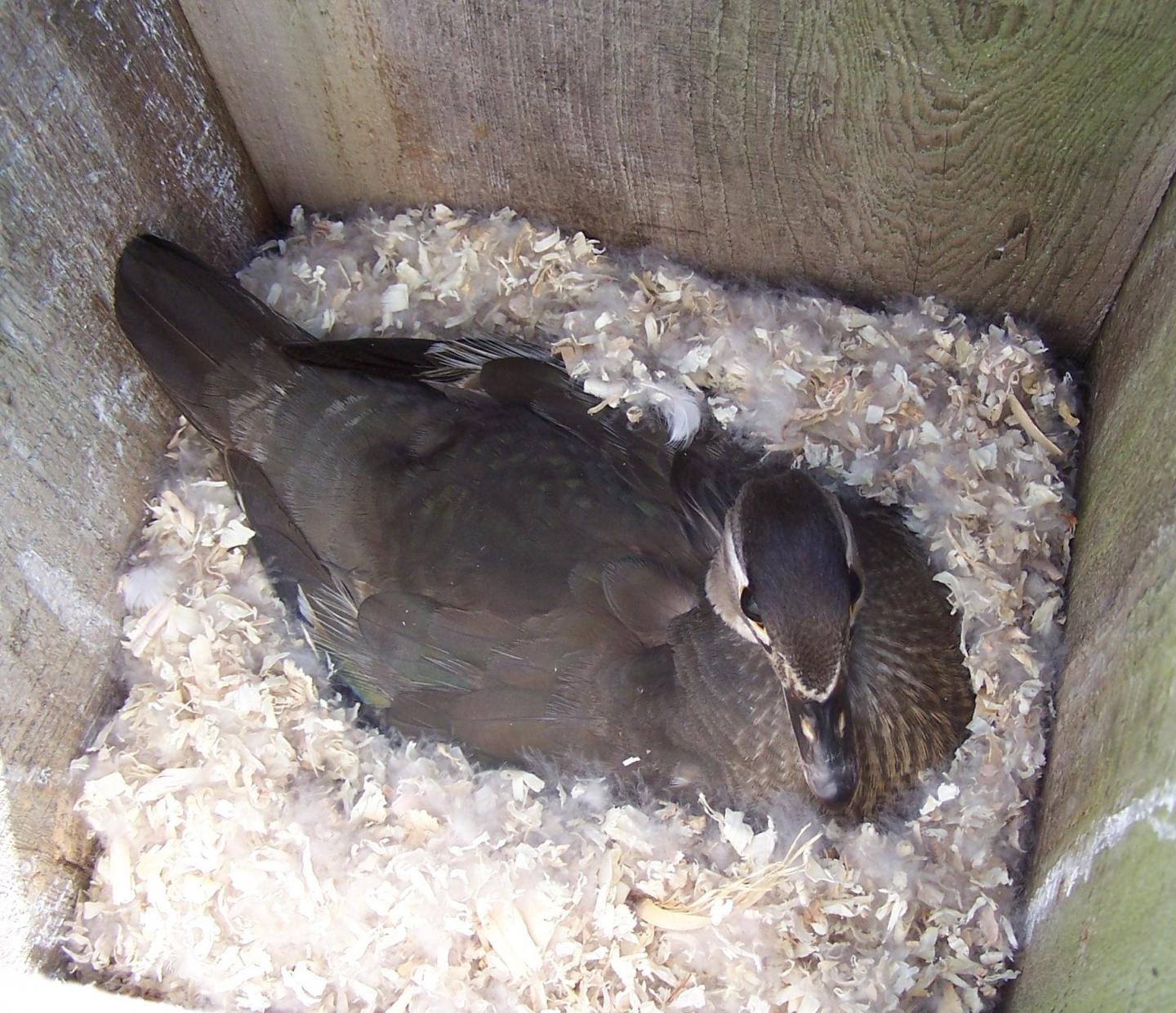
IMAGE

Not all ducks are created equal. In female Wood Ducks, variation in individual quality is what matters for breeding success and survival, according to the results of a new long-term study being published in The Auk: Ornithological Advances.

Drawing on 11 years of data on almost 500 ducks, Robert Kennamer of the University of Georgia's Savannah River Ecology Laboratory and Gary Hepp and Bradley Alexander of Auburn University found a positive relationship between annual survival and nesting success — females that were better at raising their offspring were also better at surviving. This contradicts an established theory predicting the existence of a tradeoff between current reproductive effort and future success.

"Theory predicts that current reproductive effort will negatively affect survival and future reproduction," says Hepp. "In our long-term study of Wood Ducks, however, females that nested successfully were not less likely to survive and nest successfully again the following year compared to females that had nested unsuccessfully." This suggests that there's a high degree of variation between individuals, with healthier, higher-quality females living longer and producing more offspring.

The study was carried out at the Department of Energy's Savannah River Site in South Carolina. "Federal legislation promoting the conservation and protection of the environment provided the initial funding for Wood Duck population monitoring beginning in 1981 in an area of the SRS potentially impacted by thermal water releases from the restart of a nuclear production reactor," according to Kennamer. "When that resulted in a wealth of interesting data, we secured support for continuing the project much longer than first anticipated."

The researchers suggest that future studies should examine the factors that influence individual variation in migratory birds and explore their impacts on the successful management of these species. Birth and death rates and what causes them to vary are key to increasing population sizes, guiding the decisions of wildlife managers and conservationists, and this study highlights how much we still have left to learn about how they work.

###

About the journal: The Auk: Ornithological Advances is a peer-reviewed, international journal of ornithology that began in 1884 as the official publication of the American Ornithologists' Union. In 2009, The Auk was honored as one of the 100 most influential journals of biology and medicine over the past 100 years.

Media Contact

Rebecca Heisman
[email protected]

http://www.aoucospubs.org

Share12Tweet7Share2ShareShareShare1

Related Posts

Florida Cane Toad: Complex Spread and Selective Evolution

Florida Cane Toad: Complex Spread and Selective Evolution

February 7, 2026
New Study Uncovers Mechanism Behind Burn Pit Particulate Matter–Induced Lung Inflammation

New Study Uncovers Mechanism Behind Burn Pit Particulate Matter–Induced Lung Inflammation

February 6, 2026

DeepBlastoid: Advancing Automated and Efficient Evaluation of Human Blastoids with Deep Learning

February 6, 2026

Navigating the Gut: The Role of Formic Acid in the Microbiome

February 6, 2026
Please login to join discussion

POPULAR NEWS

  • Robotic Ureteral Reconstruction: A Novel Approach

    Robotic Ureteral Reconstruction: A Novel Approach

    82 shares
    Share 33 Tweet 21
  • Digital Privacy: Health Data Control in Incarceration

    63 shares
    Share 25 Tweet 16
  • Breakthrough in RNA Research Accelerates Medical Innovations Timeline

    53 shares
    Share 21 Tweet 13
  • Mapping Tertiary Lymphoid Structures for Kidney Cancer Biomarkers

    50 shares
    Share 20 Tweet 13

About

We bring you the latest biotechnology news from best research centers and universities around the world. Check our website.

Follow us

Recent News

Evaluating a Self-Care App for Chest Trauma Patients

Anesthesia Method’s Impact on Elderly Hip Fracture Recovery

Menopause Care: Insights from Workforce Review and Consultation

Subscribe to Blog via Email

Enter your email address to subscribe to this blog and receive notifications of new posts by email.

Join 73 other subscribers
  • Contact Us

Bioengineer.org © Copyright 2023 All Rights Reserved.

Welcome Back!

Login to your account below

Forgotten Password?

Retrieve your password

Please enter your username or email address to reset your password.

Log In
No Result
View All Result
  • Homepages
    • Home Page 1
    • Home Page 2
  • News
  • National
  • Business
  • Health
  • Lifestyle
  • Science

Bioengineer.org © Copyright 2023 All Rights Reserved.