A comprehensive network meta-analysis evaluating treatments for chronic hepatitis delta virus infection has revealed that combining the viral entry inhibitor bulevirtide with pegylated interferon alpha produces the highest odds of clearing detectable viral genetic material by the conclusion of active therapy. Across twelve clinical studies involving 869 patients, the combination regimen outperformed every other tested therapeutic protocol, achieving an odds ratio of 260.08 compared to control management for suppressing circulating viral ribonucleic acid. However, the systematic synthesis also established that these striking virological gains diminish substantially once treatment stops, with only 18.4 percent of evaluated individuals sustaining undetectable viral levels during off-treatment monitoring beyond twenty-four weeks. Furthermore, the analysis determined that despite substantial antiviral activity during drug administration, no single therapeutic regimen achieved a statistically significant improvement over controls in normalizing serum liver enzymes or repairing microscopic liver histology across the pooled patient cohorts. These findings delineate both the substantial immediate potency and the therapeutic limitations of current medical interventions for one of humanity’s most severe viral liver infections.
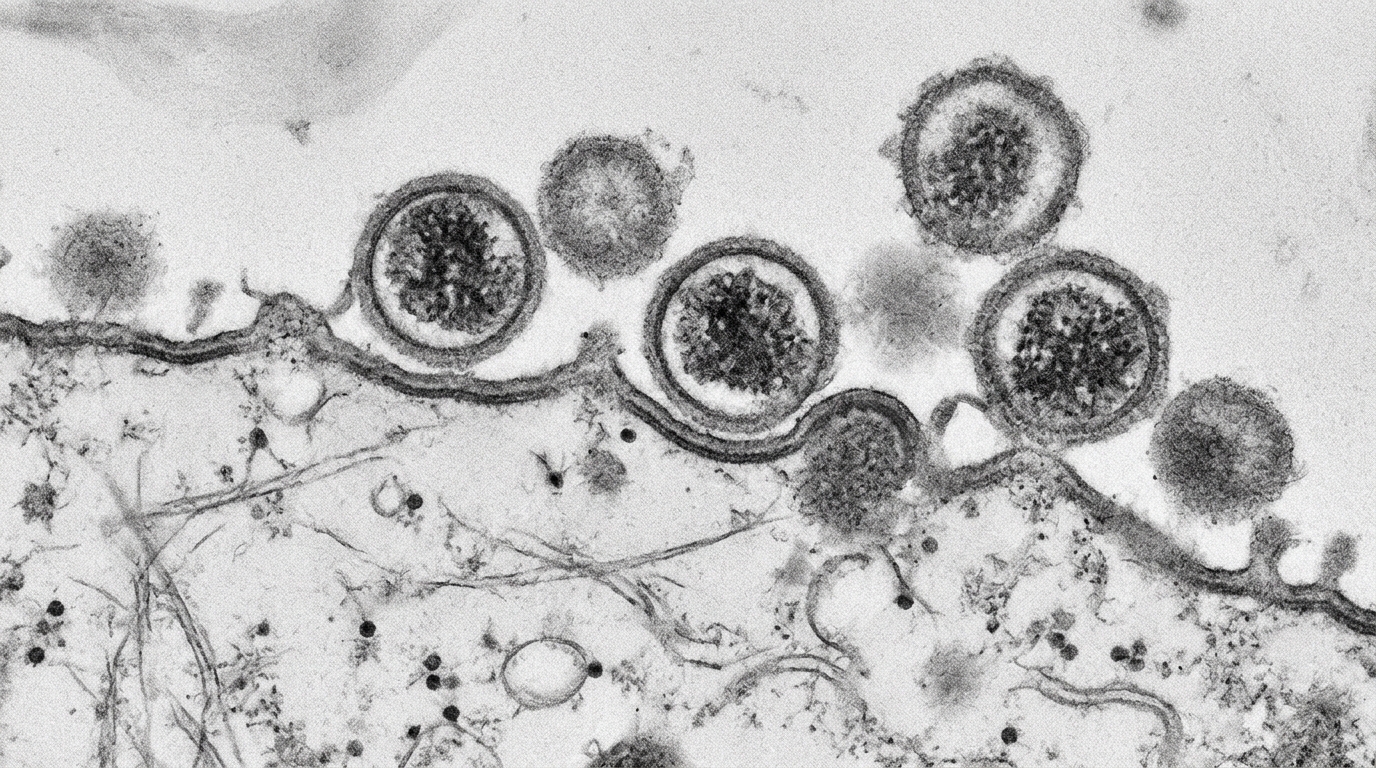
Hepatitis delta virus represents a unique and exceptionally pathogenic human pathogen that functions as an obligate satellite agent requiring the presence of hepatitis B virus to assemble its outer envelope and sustain replication. The viral coat is composed of hepatitis B surface antigen, which facilitates viral entry into human liver cells by binding directly to the host sodium taurocholate cotransporting polypeptide receptor located on hepatocyte membranes. Transmission occurs primarily through parenteral exposure, including injection drug use, unscreened blood products, and unsafe medical or cosmetic procedures, alongside less frequent sexual and perinatal transmission. When an individual acquires both viruses simultaneously during coinfection, the acute episode frequently resolves spontaneously in immunocompetent hosts, though it carries a distinct risk of fulminant hepatic failure. This persistent state dramatically accelerates the progression toward severe liver fibrosis, early cirrhosis, hepatic decompensation, and hepatocellular carcinoma, affecting an estimated 12 to 72 million people worldwide.
For multiple decades, clinical management of chronic hepatitis delta was restricted exclusively to pegylated interferon alpha, an immune-modulating drug that delivers disappointing virological response rates between 20 and 30 percent alongside frequent post-treatment relapses. The utility of peginterferon monotherapy has been severely hampered by intolerable adverse effects, including profound hematologic cytopenias and neuropsychiatric complications, which frequently preclude its administration in patients suffering from advanced or decompensated liver damage. Bulevirtide received conditional approval from the European Medicines Agency in 2020, whereas its application before the United States Food and Drug Administration faced delays attributed to manufacturing issues rather than clinical safety or efficacy concerns. Because individual trials assessed varying regimens in isolation, an urgent need emerged for a rigorous comparative evidence synthesis examining bulevirtide, interferons, and nucleos(t)ide analogs.
To rigorously resolve comparative therapeutic performance, the research team conducted an exhaustive literature search across PubMed, Cochrane Library, and Embase databases from their inception through March 2025. Registered formally with the PROSPERO international prospective register of systematic reviews, the investigation adhered strictly to the Preferred Reporting Items for Systematic Reviews and Meta-Analyses guidelines. Eligible studies were required to track participants for at least twenty-four weeks following initiation of an antiviral regimen containing bulevirtide, interferon alpha, pegylated interferon alpha, or nucleos(t)ide analogs such as tenofovir, entecavir, lamivudine, or adefovir. The protocol mandated the presence of at least two comparative treatment arms, including untreated or placebo-controlled cohorts, to ensure mathematical validity within a frequentist random-effects network framework executed through specialized evidence synthesis software.
The meticulous multi-stage screening process identified fifty-two candidate publications, culminating in the formal inclusion of twelve clinical trials encompassing 869 chronic hepatitis delta patients evaluated across nine distinct treatment configurations. Demographic data demonstrated a substantial male predominance, accounting for 619 of the enrolled participants, with patient ages spanning from 17 to 67 years across diverse international multicenter trial locations. Active therapeutic durations extended from 24 weeks to 104 weeks, while post-treatment observational follow-up utilized a standardized twenty-four-week threshold.
Analysis of the primary virological endpoint at the end of active treatment demonstrated that 31.8 percent of all enrolled individuals—representing 277 out of 869 patients across the nine treatment arms—achieved complete suppression of hepatitis delta viral ribonucleic acid to undetectable levels. The network meta-analysis confirmed that bulevirtide combined with pegylated interferon alpha exhibited the most powerful antiviral impact, yielding an odds ratio of 260.08 compared with control arms. Bulevirtide combined with nucleos(t)ide analogs also generated substantial viral suppression with an odds ratio of 69.36, while bulevirtide monotherapy achieved an odds ratio of 38.63. Conventional interferon alpha and pegylated interferon alpha monotherapies demonstrated statistically significant suppression with odds ratios of 12.43 and 16.15, respectively. In sharp contrast, nucleos(t)ide analog monotherapy completely failed to alter viral replication, generating an odds ratio of 1.6 that did not achieve statistical significance. Head-to-head network comparisons confirmed that combining bulevirtide with peginterferon alpha was significantly superior to bulevirtide monotherapy alone, producing an odds ratio of 6.73.
Despite the pronounced virological suppression documented while patients remained on active pharmacotherapy, the synthesis exposed a striking lack of off-treatment therapeutic durability across all evaluated treatment categories. When patient cohorts were evaluated at the post-treatment follow-up milestone of twenty-four weeks or longer, persistent suppression of viral ribonucleic acid was preserved in only 106 out of 576 assessed individuals, representing an overall durability rate of just 18.4 percent. In the network model, no therapeutic regimen maintained a statistically significant advantage in sustaining undetectable viral levels compared to untreated controls once medications were withdrawn. The estimated odds ratios for off-treatment suppression ranged widely, showing 37.42 for bulevirtide combined with peginterferon alpha, 22.18 for peginterferon alpha alone, 9.07 for bulevirtide monotherapy, and 1.18 for nucleos(t)ide analogs. The wide confidence intervals accompanying these follow-up estimates, such as 0.67 to 2086.73 for the bulevirtide and peginterferon combination, illustrate marked statistical uncertainty and underscore that viral rebound remains a predominant biological challenge following treatment cessation.
Assessment of biochemical treatment responses revealed an unexpected dissociation between the clearance of circulating viral genetic material and the normalization of liver inflammation. Across twelve trials reporting liver enzyme activity at the end of treatment, 42.69 percent of participants—comprising 371 of 869 patients—attained normal alanine aminotransferase concentrations, defined as values falling at or below the upper limit of normal. Nevertheless, the frequentist random-effects network model revealed that no single therapeutic regimen achieved statistically significant superiority over controls in inducing biochemical normalization, with bulevirtide monotherapy yielding an odds ratio of 1.64 and its combination with peginterferon alpha achieving an odds ratio of 2.29. Researchers noted that baseline liver inflammation in chronic delta hepatitis is predominantly driven by hepatitis delta rather than low-level hepatitis B replication, creating a complex pathogenic environment where arresting viral entry does not immediately resolve established cellular inflammation. At off-treatment follow-up, only 16.4 percent of patients in connected network cohorts exhibited sustained biochemical normalization, with no therapeutic arm showing statistical divergence from untreated controls.
When investigators evaluated the rigorous composite endpoint of combined response—defined as achieving biochemical alanine aminotransferase normalization coupled with complete viral suppression or at least a two-log decline in viral ribonucleic acid—statistically significant advantages re-emerged across several active regimens at treatment completion. Nine studies comprising 731 participants provided data on this parameter, recording an overall combined response rate of 37.2 percent. Bulevirtide paired with pegylated interferon alpha led the ranking with an odds ratio of 112.69 compared to controls, followed by bulevirtide monotherapy with an odds ratio of 37.73, bulevirtide with nucleos(t)ide analogs at 18.54, and pegylated interferon alone at 15.89. In contrast, paired liver biopsy evaluations conducted in five studies involving 183 patients demonstrated that while 39.8 percent showed histological improvement, no therapeutic intervention produced a statistically significant reduction in necroinflammatory activity or fibrosis scores compared to untreated control management. The scarcity of repeat histological biopsies across clinical trials severely limits definitive conclusions regarding whether short-term viral suppression successfully halts structural tissue remodeling.
The authors underscored several structural limitations within the published trial literature that complicate definitive clinical interpretation, emphasizing substantial trial heterogeneity, small sample sizes, and varied bulevirtide dosing schedules ranging from 2 to 10 milligrams daily. Furthermore, included investigations predominantly tracked surrogate laboratory markers across relatively brief observation windows, leaving vital long-term clinical endpoints such as hepatic decompensation, cirrhosis regression, hepatocellular carcinoma incidence, and overall survival largely unmeasured. Because bulevirtide functions strictly as an entry inhibitor, it prevents de novo hepatocyte infection without degrading intracellular viral replication complexes or clearing hepatitis B surface antigen, making rapid viral resurgence biologically predictable once therapy halts. Consequently, while bulevirtide combined with pegylated interferon alpha represents the most potent currently available strategy for achieving rapid viral suppression, long-term disease control will likely necessitate prolonged maintenance therapy, standardized biomarker monitoring, and the development of emerging therapeutic agents such as prenylation inhibitors or monoclonal antibodies to achieve a functional cure.
Subject of Research: Comparative efficacy of bulevirtide, interferons, and nucleos(t)ide analogs for chronic hepatitis D
Article Title: Comparative Efficacy of Bulevirtide, Interferons, and Nucleos(t)ide Analogs for Chronic Hepatitis Delta: A Systematic Review and Network Meta‐Analysis
Article References: Karkra, R., Mohsen, M., Pagán-Busigó, J. E., Shamsian, E., Bebawy, M., Rella, S., Tafesh, Z., & Gaglio, P. (2026). Comparative Efficacy of Bulevirtide, Interferons, and Nucleos(t)ide Analogs for Chronic Hepatitis Delta: A Systematic Review and Network Meta‐Analysis. International Journal of Hepatology, 2026(1), Article 6325996. https://doi.org/10.1155/ijh/6325996
Image Credits: AI Generated
DOI: 10.1155/ijh/6325996
Keywords: hepatitis D virus, bulevirtide, pegylated interferon alpha, network meta-analysis, viral suppression, alanine aminotransferase, nucleoside analogs, entry inhibitors, sodium taurocholate cotransporting polypeptide, hepatitis B coinfection, liver histology, chronic delta hepatitis, frequentist random-effects model, biochemical response, off-treatment durability, antiviral therapy, liver cirrhosis
News Source: Kristina Jarvis. (November 24, 2026). Bulevirtide and Interferon Combination Yields Highest Viral Suppression in Hepatitis Delta. Scienmag.