In a retrospective clinical study examining dynamic hormonal assessment for secondary hypertension, medical researchers found that postural aldosterone responses varied substantially between repeated tests, demonstrating that single evaluations frequently produce unstable diagnostic classifications. The investigation, conducted at West China Hospital of Sichuan University, analyzed 109 hospitalized patients with confirmed primary aldosteronism who underwent duplicate postural stimulation tests during a single inpatient admission. The research team evaluated the intraindividual reproducibility of postural aldosterone percentage changes and explored whether consistent functional phenotypes could improve clinical differentiation between unilateral and bilateral forms of the disease. Overall, the percentage change in plasma aldosterone concentration between consecutive tests demonstrated only moderate agreement, displaying an intraclass correlation coefficient of 0.540 with a ninety-five percent confidence interval from 0.392 to 0.660. Furthermore, 27.5 percent of the cohort exhibited discordant classifications across the two assessments, demonstrating that dynamic hormonal responses often cross diagnostic boundaries over short intervals.
Primary aldosteronism represents a widespread and potentially curable cause of secondary hypertension, characterized by inappropriate, autonomous overproduction of aldosterone that operates relatively independent of normal circulatory control mechanisms. Distinguishing accurately between unilateral primary aldosteronism, predominantly caused by aldosterone-producing adenomas, and bilateral primary aldosteronism, typically driven by idiopathic adrenal hyperplasia, is critical because their clinical management pathways diverge completely. Patients identified with unilateral disease can achieve complete biochemical cure or marked clinical improvement through surgical removal of the affected adrenal gland, whereas individuals with bilateral excess generally require lifelong pharmacological therapy with mineralocorticoid receptor antagonists. Adrenal venous sampling is widely regarded as the gold standard for establishing functional lateralization prior to surgical intervention. However, the procedure remains technically demanding, invasive, costly, and subject to cannulation failures or interpretive variability across medical centers. Adrenal computed tomography scans alone frequently prove misleading because nonfunctioning incidentalomas, bilateral adrenal nodules, or microadenomas that evade cross-sectional detection can easily obscure true functional lateralization.
To address the procedural invasiveness and technical barriers of venous catheterization, historical functional tests such as the postural stimulation test have been used to evaluate aldosterone autonomy noninvasively. The physiological rationale of postural stimulation relies on orthostatic activation of the renin-angiotensin-aldosterone axis, wherein standing upright promotes systemic renin secretion and stimulates aldosterone synthesis. In patients with bilateral adrenal hyperplasia or angiotensin-responsive disease, plasma aldosterone concentrations typically increase following two hours of upright posture. Conversely, autonomous aldosterone secretion arising from typical aldosterone-producing adenomas frequently exhibits blunted responsiveness to circulating angiotensin II, resulting in flat responses or paradoxical declines in circulating hormone levels. Despite this sound physiological framework, previous research has reported conflicting diagnostic performance, with proposed cutoff thresholds for aldosterone responsiveness varying widely across historical literature from negative twenty-eight percent to positive 169 percent. Moreover, recognized biological fluctuations in baseline aldosterone levels have raised concerns that single dynamic measurements may not provide sufficient reproducibility.
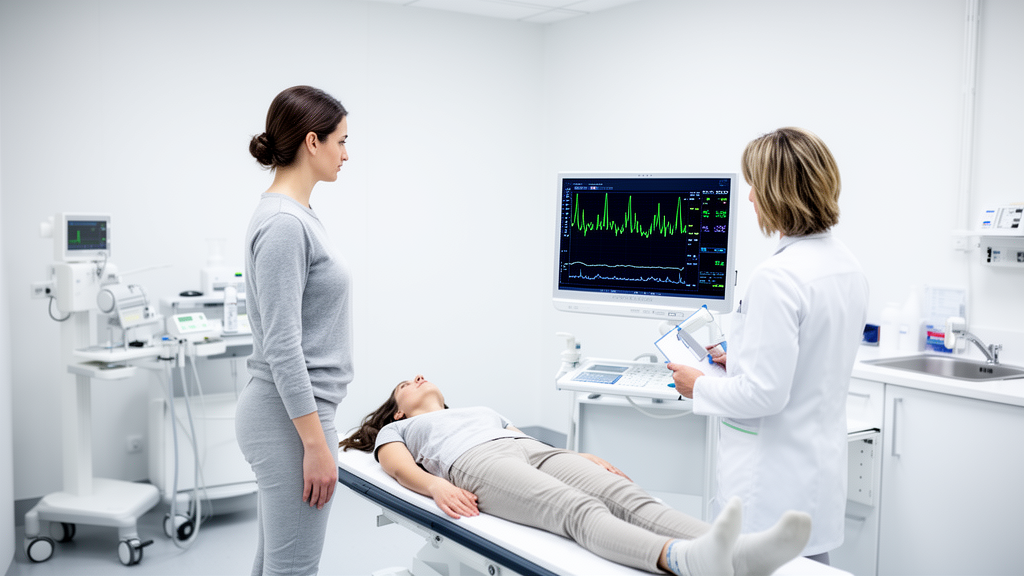
To examine these hormonal dynamics under standardized inpatient conditions, the investigators retrospectively analyzed hospital records from 2014 through 2022, identifying patients with confirmed primary aldosteronism who completed repeated postural evaluations prior to definitive subtyping. Confirmation of primary aldosteronism adhered to established Endocrine Society clinical guidelines, requiring elevated aldosterone-to-renin ratios combined with suppressed renin and unsuppressed plasma aldosterone concentrations exceeding ten nanograms per deciliter after recumbent intravenous saline infusion testing. All enrolled participants followed strict inpatient protocols designed to eliminate confounding variables, including the structured withdrawal of interfering antihypertensive medications and correction of hypokalemia through oral or intravenous potassium supplementation. During each testing cycle, medical staff collected the initial baseline blood sample at five in the morning following overnight recumbency, followed by a second blood draw at seven in the morning after two hours of upright posture. The percentage change in plasma aldosterone concentration was calculated as upright aldosterone minus supine aldosterone, divided by supine aldosterone, and multiplied by one hundred.
Among the 109 included patients, seventy-three individuals had confirmed unilateral primary aldosteronism, whereas thirty-six had bilateral disease established through adrenal venous sampling. The mean interval between repeated postural assessments was 2.21 days, showing no significant variation across subtypes. Biochemical analyses demonstrated that test-retest reproducibility differed substantially depending on the specific hormonal marker measured. Supine plasma aldosterone concentrations demonstrated good reproducibility between consecutive testing mornings, yielding an intraclass correlation coefficient of 0.799 with a ninety-five percent confidence interval from 0.719 to 0.858. Conversely, upright plasma aldosterone concentrations achieved moderate agreement with a coefficient of 0.669, while upright renin exhibited a coefficient of 0.703. Supine renin and upright aldosterone-to-renin ratios displayed poor stability, showing coefficients of 0.383 and 0.311, respectively. Bland-Altman analysis of postural percentage changes revealed a minimal mean difference of 1.36 percent between tests, but wide statistical limits of agreement spanning broadly from negative fifty-five percent to positive fifty-seven percent.
When converting continuous dynamic responses into discrete clinical categories using the predefined zero percent threshold, the authors observed significant diagnostic instability. Postural unresponsiveness, defined as the failure of plasma aldosterone concentration to increase following upright posture, demonstrated an overall agreement rate of 72.5 percent across the repeated tests. The corresponding Cohen’s kappa statistic was 0.433 with a ninety-five percent confidence interval from 0.262 to 0.604, indicating only moderate classification concordance. Exactly thirty patients, representing 27.5 percent of the overall cohort, exhibited discordant responsiveness classifications between their two tests. Univariable regression analyses demonstrated that this categorical discordance was not associated with baseline clinical characteristics, including patient age, sex, body mass index, renal function, serum potassium, baseline renin, or adrenal computed tomography findings. Instead, discordant classifications clustered predominantly among patients whose mean postural percentage change hovered close to the zero percent boundary, where minor biological fluctuations shifted responses across the diagnostic cutoff.
Despite the instability observed in borderline dynamic responses, consistent functional phenotypes provided substantial diagnostic value for identifying unilateral primary aldosteronism. Among forty-nine patients demonstrating concordant postural aldosterone unresponsiveness across both evaluations, forty-six individuals were confirmed to have unilateral disease, representing a positive predictive value of 93.9 percent. In contrast, unilateral disease was confirmed in only 36.7 percent of individuals displaying concordant responsiveness, and in 53.3 percent of patients with discordant testing classifications. For detecting unilateral disease, concordant unresponsiveness achieved a high specificity of 91.7 percent, closely trailing the 94.4 percent specificity observed with continuous mean percentage change. Sensitivity analyses evaluating diverse potential threshold values ranging from negative thirty percent to positive thirty percent demonstrated that the prespecified zero percent cutoff yielded the highest area under the receiver operating characteristic curve. These findings suggest that repeated testing effectively isolates genuine, reproducible endocrine unresponsiveness from intermediate, clinically inconclusive dynamic fluctuations.
To evaluate whether repeated postural testing provided meaningful diagnostic information beyond established clinical markers, the researchers constructed multivariable logistic regression models comparing conventional parameters against an integrated diagnostic strategy. A standard clinical prediction model incorporating lowest documented serum potassium levels and the presence of a unilateral adrenal nodule measuring at least ten millimeters on computed tomography demonstrated strong discriminatory ability, yielding an area under the curve of 0.938 with a ninety-five percent confidence interval of 0.893 to 0.983. Adding the repeated-test concordant unresponsiveness phenotype to this clinical model modestly but significantly enhanced overall discrimination, elevating the area under the curve to 0.947 with a likelihood ratio test p-value of 0.005. Furthermore, concordant unresponsiveness remained independently associated with unilateral disease in multivariable analyses, exhibiting an adjusted odds ratio of 7.28 with a ninety-five percent confidence interval of 1.77 to 38.49 and a p-value of 0.009, confirming its clear incremental diagnostic utility.
The biological mechanisms underlying these divergent postural responses reflect established cellular and genetic heterogeneity within aldosterone-producing adrenocortical tissues. Aldosterone-producing adenomas exhibiting postural unresponsiveness are frequently composed of zona fasciculata-like cells, which often harbor somatic KCNJ5 gene mutations, possess lower angiotensin II receptor expression, and exhibit heightened sensitivity to endogenous adrenocorticotropic hormone rhythms. Conversely, posture-responsive lesions tend to display zona glomerulosa-like architecture and somatic CACNA1D mutations, retaining functional sensitivity to systemic renin-angiotensin stimulation. The authors emphasized that because ambient serum potassium directly stimulates aldosterone synthesis, severe hypokalemia can blunt dynamic hormone secretion during testing. However, sensitivity analyses accounting for serum potassium concentrations at the time of testing confirmed that concordant unresponsiveness remained independently associated with unilateral disease, indicating that findings were not driven by hypokalemia-induced suppression. Repeated testing therefore captures a stable, reproducible functional phenotype that reflects authentic tumor autonomy rather than transient neurohormonal or electrolyte-related background fluctuations.
Notwithstanding these clinical insights, the authors noted several important methodological limitations that warrant consideration prior to broader clinical implementation. The study was conducted retrospectively at a single tertiary medical center in China, which may restrict generalizability to external patient populations with different genetic backgrounds or clinical referral patterns. In addition, forty-three of the seventy-three unilateral primary aldosteronism cases were classified based on complete postoperative biochemical remission criteria established by the Primary Aldosteronism Surgery Outcome consensus rather than successful bilateral venous sampling. Furthermore, laboratory measurement platforms for aldosterone and renin changed over the study duration, although repeated tests for individual patients were conducted on uniform assay platforms during single hospital admissions. The authors concluded that repeated postural testing cannot replace adrenal venous sampling, which remains the definitive diagnostic reference standard for surgical lateralization. Instead, repeated postural assessment offers an accessible, noninvasive functional tool that reliably identifies high-specificity unilateral disease and guards against misleading single-test interpretations.
Subject of Research: Reproducibility of postural aldosterone responses and subtype assessment in primary aldosteronism
Article Title: Intraindividual variability of postural aldosterone responses and implications for primary aldosteronism subtype assessment
Article References: Zheng, C., Tan, L., Ma, M., Zhao, L., Chen, Y., Tian, H., Ren, Y., & Chen, T. (2026). Intraindividual variability of postural aldosterone responses and implications for primary aldosteronism subtype assessment. Frontiers in Endocrinology, 17, Article 1981976. https://doi.org/10.3389/fendo.2026.1981976
Image Credits: AI Generated
DOI: 10.3389/fendo.2026.1981976
Keywords: primary aldosteronism, postural stimulation test, aldosterone unresponsiveness, unilateral primary aldosteronism, bilateral primary aldosteronism, adrenal venous sampling, aldosterone-producing adenoma, secondary hypertension, intraclass correlation coefficient, plasma aldosterone concentration, renin-angiotensin-aldosterone system, adrenal computed tomography, hypokalemia, bilateral adrenal hyperplasia, saline infusion test, adrenalectomy, PASO criteria
News Source: Ophelia Keating. (November 21, 2026). Repeated Postural Testing Reveals Variable Aldosterone Responses in Primary Aldosteronism. Scienmag.