A comprehensive narrative review evaluating research published through April 2026 indicates that ketamine alleviates treatment-resistant depression not through an isolated molecular switch, but via the coordinated, temporally structured engagement of five distinct biological and experiential domains. Synthesizing foundational mechanistic studies alongside recent human trials and translational experiments, researchers Sherry-Anne Muscat and Glenn Hartelius update their systems-level framework to explain how the dissociative anesthetic achieves rapid and sustained psychiatric relief where conventional monoaminergic antidepressants fail. Rather than treating clinical response as the product of a single pharmacological target, the authors integrate N-methyl-D-aspartate receptor modulation, neuroplastogenic processes, anti-inflammatory signaling, entropic brain state modulation, and psychedelic or mystical phenomenology into a clinically actionable model. Major depressive episodes defined as treatment-resistant typically involve persistent nonresponse to at least two adequate antidepressant trials, accompanied by severe neural and cognitive rigidity. The review clarifies how ketamine’s initial molecular actions trigger downstream structural remodeling and network reorganization, while positioning developmental trauma and attachment disruption as cross-cutting clinical substrates that shape long-term therapeutic durability.
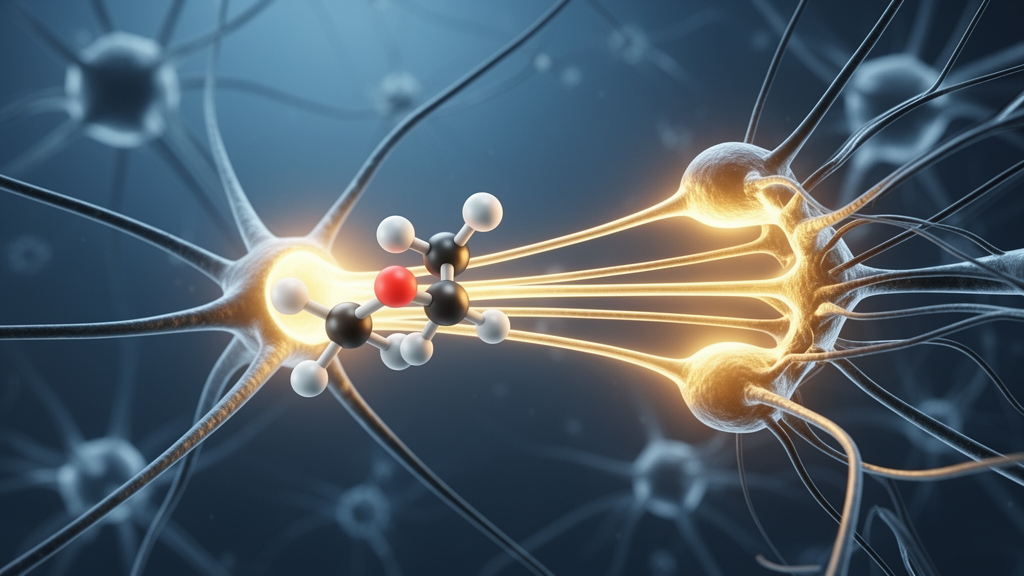
The therapeutic cascade begins with the modulation of N-methyl-D-aspartate receptors across medial prefrontal and corticolimbic circuits within minutes of administration. In preclinical rodent models, subanesthetic ketamine preferentially antagonizes GluN2B-containing NMDA receptors situated on inhibitory gamma-aminobutyric acid interneurons, such as somatostatin- and parvalbumin-expressing subtypes. Blocking these inhibitory interneurons disinhibits principal glutamatergic pyramidal neurons, triggering an immediate and transient surge in cortical glutamate release. In vivo two-photon calcium imaging in mice confirms that this selective disinhibition reduces dendritic inhibition and amplifies calcium influx within pyramidal dendritic spines, establishing an intracellular bridge between receptor blockade and plasticity signaling. Complementary nuclear magnetic resonance spectroscopy in awake rats demonstrates a transient acceleration in prefrontal glutamate-glutamine cycling that correlates with behavioral recovery on despair assays. At the circuit level, simultaneous single-unit and local field potential recordings in rodents show that ketamine produces marked alterations in thalamocortical discharge and oscillatory synchrony, destabilizing entrenched and low-variability firing patterns that characterize chronic depressive states.
Human neuroimaging and neurochemical investigations provide parallel translational support for this initiating glutamatergic disinhibition. In vivo single-photon emission computed tomography using the radioligand CNS-1261 demonstrates direct target engagement at the human NMDA intrachannel binding site in healthy adults. Furthermore, proton and carbon-13 magnetic resonance spectroscopy reveal that subanesthetic intravenous infusions in patients with major depressive disorder alter glutamate and glutamine turnover, showing a marked elevation in the glutamine-to-glutamate ratio in the pregenual anterior cingulate cortex at twenty-four hours post-infusion. This delayed neurochemical shift corresponds spatially to established cortical density maps of NMDA and AMPA receptors. Multimodal studies combining functional neuroimaging with spectroscopy show that baseline pregenual anterior cingulate activity predicts post-infusion glutamate elevations and subsequent reductions in depression rating scale scores. Concurrently, human magnetoencephalography reveals acute amplifications in visual and motor cortical gamma-band oscillations alongside alterations in anterior theta and posterior alpha power, confirming that ketamine reorganizes large-scale human cortical excitability in a manner congruent with preclinical disinhibition models.
Following this initial disinhibition, ketamine initiates rapid neuroplastogenic processes mediated by alpha-amino-3-hydroxy-5-methyl-4-isoxazolepropionic acid receptor stimulation and intracellular signaling pathways. Preclinical pharmacology demonstrates that pharmacological blockade of AMPA receptors completely abolishes ketamine’s rapid antidepressant-like behavioral effects, establishing AMPA receptor throughput as an obligatory step. Specifically, the acute glutamate surge recruits calcium-permeable AMPA receptors, triggering rapid calcium entry and activating downstream brain-derived neurotrophic factor, tropomyosin receptor kinase B, and mammalian target of rapamycin signaling cascades. In rodent prefrontal cortex, this cascade drives rapid de novo synaptogenesis, dendritic spine maturation, and structural arborization within hours. Longitudinal two-photon imaging in mice indicates that newly formed dendritic spines in the prefrontal cortex are required for the sustained maintenance of behavioral recovery rather than its initial onset. Although clinical trials investigating rapamycin pretreatment in humans reveal more complex peripheral signaling than seen in isolated rodent assays, human diffusion and structural magnetic resonance imaging confirm measurable white-matter microstructural changes and gray matter volume increases in stress- and salience-related subcortical structures following repeated ketamine treatment.
At the systems level, structural and synaptic modifications translate into the normalization of aberrant functional connectivity across distributed brain networks. In treatment-resistant depression, resting-state functional neuroimaging characteristically shows reduced global prefrontal connectivity paired with hyperconnectivity in posterior midline default mode and cerebellar regions. Twenty-four hours following intravenous ketamine administration, global brain connectivity analyses reveal significant increases in lateral prefrontal cortex, insular, and caudate connectivity toward patterns observed in healthy controls. These regional shifts correlate with clinical improvements in cognitive control, reward appraisal, and affective regulation. Longitudinal functional assessments indicate that altered functional coupling between the default mode network, the salience network, and the central executive network can persist for up to ten days after a single infusion. Graph-theoretical analyses further demonstrate recalibration across dorsolateral prefrontal, posterior cingulate, and supramarginal regions, suggesting that ketamine dampens maladaptive internal rumination and threat-biased processing by restoring flexible communication across large-scale frontoparietal and corticolimbic circuits.
Operating alongside synaptic remodeling, ketamine’s third domain encompasses anti-inflammatory and immune-metabolic modulation. Peripheral and central low-grade chronic inflammation can impair glutamatergic transmission, reduce synaptic plasticity, and bias cortico-striatal circuits toward anhedonia, psychomotor slowing, and motivational fatigue. In lipopolysaccharide-induced rodent models of inflammatory depression, ketamine administration suppresses microglial activation, reduces monocyte infiltration into cerebral parenchyma, and restores regulatory immune-cell balance. Mechanistic studies indicate that S-ketamine directly interacts with the intracellular enzyme sirtuin-2 in prefrontal cortex, enhancing sirtuin-2 binding to the nuclear factor kappa B subunit p65 to diminish proinflammatory gene transcription. In human cellular models, ketamine and its metabolites modulate inflammatory transcription in cultured microglia and attenuate inflammation-induced deficits in hippocampal neurogenesis. While human trials show substantial heterogeneity in peripheral cytokine shifts, baseline metabolomic profiles from the Bio-K study demonstrate that elevated plasma anthranilic acid and kynurenine-pathway ratios reliably predict clinical remission twenty-four hours after repeated infusions, highlighting immune-metabolic signaling as a relevant factor in patient-specific response profiles.
The fourth mechanistic pillar involves entropic brain state modulation, conceptualized as a transient expansion in the repertoire and diversity of neural configurations. Drawing on the entropic brain hypothesis, the authors explain that rigid, repetitive depressive cognition corresponds to an over-constrained neural state dominated by hyper-stable, low-variability attractors. Subanesthetic ketamine transiently loosens these rigid hierarchical network constraints. Magnetoencephalography and high-density electroencephalography in human volunteers demonstrate that ketamine produces acute increases in Lempel-Ziv complexity and a flattening of the scale-free power spectral slope across association, sensory, and default mode networks. Within a predictive-processing framework, this heightened neural signal diversity temporarily relaxes the precision weighting of top-down priors, allowing bottom-up perceptual and emotional information to update entrenched beliefs. While this acute surge in neural entropy recedes as the drug is metabolized, it establishes a time-limited period of neurobiological readiness that facilitates cognitive flexibility, reduces psychological defensiveness, and disrupts longstanding negative self-referential narratives.
The fifth domain focuses on psychedelic phenomenology and altered states of consciousness, which the framework conceptualizes as direct experiential correlates of large-scale systems reorganization rather than incidental adverse side effects. Intravenous ketamine reliably induces transient perceptual distortions, depersonalization, derealization, and, in some individuals, mystical-type or meaning-rich experiences. Re-evaluations of clinical trial data indicate that specific qualitative dimensions of the experience are far more predictive of therapeutic success than total dissociative intensity. Factor analyses of the Clinician-Administered Dissociative States Scale reveal that depersonalization accounts for the strongest associations with sustained symptom reductions, whereas amnesia exhibits no correlation with therapeutic response. Furthermore, formal mediation analyses demonstrate that acute feelings of awe statistically mediate antidepressant improvement spanning up to thirty days post-treatment. Retrospective and open-label clinical evaluations in psychiatric cohorts, including veterans with treatment-resistant conditions, similarly indicate that structured, meaning-focused altered experiences can reinforce lasting psychological transformation when contextual conditions provide emotional stability and support.
A critical contribution of the 2026 framework is its conceptualization of developmental trauma and attachment disruption as cross-cutting substrates of treatment resistance rather than as an independent sixth pharmacologic mechanism. Meta-analyses demonstrate that histories of childhood maltreatment and disorganized attachment correlate with elevated adult baseline inflammatory markers, altered resting-state default mode and corticolimbic connectivity, and pronounced resistance to standard pharmacotherapy. In clinical populations, early relational trauma and emotional neglect manifest as persistent behavioral inhibition, threat-dominant appraisal, and impaired reward responsiveness. Although ketamine produces rapid symptom reductions across trauma-exposed cohorts and clinical trials of chronic posttraumatic stress disorder, the authors emphasize that heightened synaptic and psychological plasticity is not inherently self-correcting. Without structured relational containment, newly plastic neural systems risk reconsolidating back into familiar, threat-weighted defense mechanisms, underscoring that biological malleability must be coupled with corrective experience-dependent learning.
Translating these interacting biological and experiential domains into durable clinical care requires strategic timing and structured psychotherapeutic integration. Pharmacokinetic and imaging investigations demonstrate that while receptor disinhibition occurs within minutes, downstream neurotrophic signaling, synaptogenesis, and network reorganization peak over a post-infusion window lasting roughly twenty-four to forty-eight hours. Controlled clinical trials indicate that delivering structured psychotherapy, such as sequential cognitive behavioral therapy or automated computerized learning tasks, during this critical post-infusion window substantially prolongs antidepressant remission compared to ketamine monotherapy alone. Modalities designed for relational and trauma processing, including Eye Movement Desensitization and Reprocessing adaptations, Internal Family Systems, and Emotionally Focused Therapy, offer tailored methods for accessing and reorganizing affective memory while neural constraints remain relaxed. Careful attention to psychological set, preparation, and sensory environment directly modulates acute tolerability and reduces acute sympathetic activation, ensuring that patients can safely navigate intense experiential material without destabilization.
Finally, the authors emphasize that mechanism-aligned psychiatric care requires rigorous, standardized safety surveillance across acute and long-term treatment trajectories. While subanesthetic ketamine displays an acceptable safety profile under direct medical oversight, transient increases in blood pressure and heart rate, acute distress, perceptual disorientation, and nausea remain common during administration. Unsupervised or recreational use carries serious risks of persistent neurocognitive impairment, substance misuse, and cumulative urological toxicity such as ketamine-induced ulcerative cystitis. To safeguard patients in clinical practice, baseline screening must exclude uncontrolled cardiovascular disease, active psychosis, or unmanaged substance dependence. Furthermore, longitudinal protocols should incorporate validated monitoring frameworks, such as the Ketamine Side Effect Tool and its revised edition, to systematically track delayed adverse events and hepatic markers. By aligning precise pharmacology, individual trauma substrates, psychotherapeutic timing, and longitudinal monitoring, the integrated framework provides an evidence-based roadmap for converting transient neurobiological flexibility into durable psychiatric recovery.
Subject of Research: Systems-level mechanisms and clinical translation of ketamine therapy in treatment-resistant depression
Article Title: Mechanism-aligned ketamine therapy for treatment-resistant depression: a 2026 update—toward an integrative mechanistic framework for clinical translation
Article References: Muscat, S.-A., & Hartelius, G. (2026). Mechanism-aligned ketamine therapy for treatment-resistant depression: a 2026 update—toward an integrative mechanistic framework for clinical translation. Frontiers in Psychiatry, 17, Article 1966279. https://doi.org/10.3389/fpsyt.2026.1966279
Image Credits: AI Generated
DOI: 10.3389/fpsyt.2026.1966279
Keywords: ketamine, treatment-resistant depression, NMDAR modulation, neuroplasticity, synaptogenesis, AMPA receptors, anti-inflammatory signaling, entropic brain hypothesis, brain connectivity, psychedelic phenomenology, dissociation, developmental trauma, attachment disruption, ketamine-assisted psychotherapy, kynurenine pathway, prefrontal cortex, default mode network
News Source: Glenn Wilkins. (November 20, 2026). Ketamine Relieves Treatment-Resistant Depression Through Five Interacting Biological and Experiential Pathways. Scienmag.