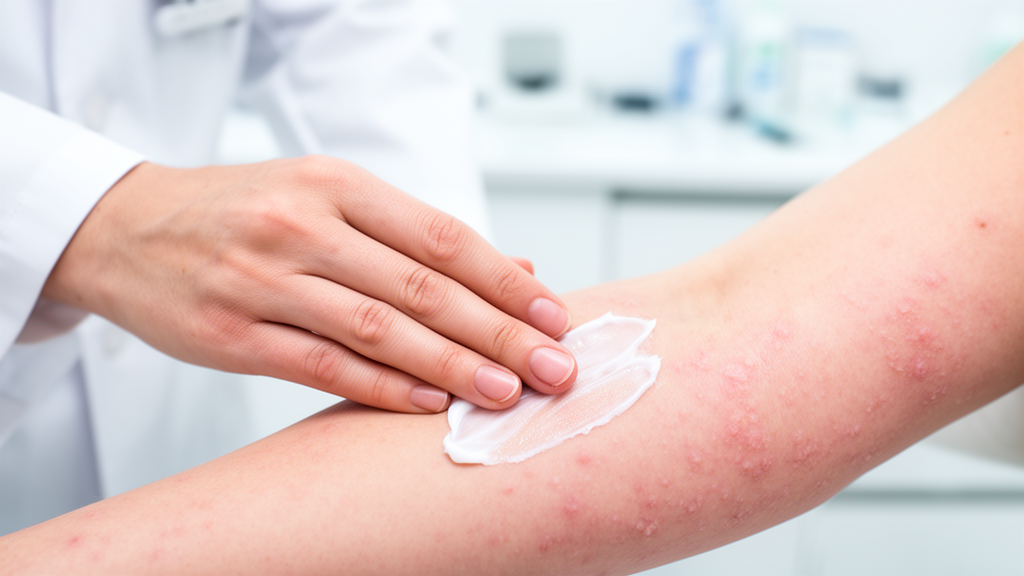
A specialized clinical panel of thirteen dermatologists practicing across the public and private healthcare sectors of the United Arab Emirates has published a structured consensus establishing the therapeutic role of dermoceuticals in managing atopic dermatitis. Developed through a formal modified Delphi methodology informed by a targeted literature evaluation and coordinated alongside an international scientific validator, the project evaluated fourteen candidate recommendations covering disease mechanisms, barrier therapy, and long-term proactive maintenance. Following two successive rounds of anonymous electronic voting, thirteen recommendations achieved the predefined consensus threshold of at least eighty percent agreement among panelists. The resulting framework positions dermoceuticals not as optional cosmetic additions, but as essential, evidence-informed components of individualized atopic dermatitis treatment regimens across disease stages.
Atopic dermatitis represents a chronic, relapsing inflammatory cutaneous disorder characterized by intense pruritus, persistent xerosis, and recurrent eczematous lesions that substantially degrade patient quality of life. The clinical presentation arises from a complex mechanistic interplay involving epidermal barrier breakdown, immune dysregulation, cutaneous microbiome dysbiosis, neuroimmune signaling, and underlying genetic vulnerabilities such as loss-of-function mutations in the filaggrin gene. These converging biological disruptions establish a self-perpetuating itch-scratch cycle that repeatedly triggers acute disease flares. Globally, the condition affects up to twenty-five percent of pediatric populations and three to seven percent of adults, with regional data indicating increasing clinical recognition across both children and adults in the United Arab Emirates, where local climate conditions, environmental factors, and unique lifestyle habits further influence cutaneous manifestations and treatment considerations.
Within the consensus framework, dermoceuticals are defined as topical formulations that incorporate clinically evaluated active ingredients specifically engineered to improve skin health, restore barrier integrity, and manage dermatological conditions. Although the term dermoceutical lacks a universal, standardized statutory classification across international regulatory jurisdictions, these preparations are clinically distinguished from conventional cosmetic goods by their targeted biological objectives and evidence-grounded development. In the therapeutic context of atopic dermatitis, dermoceuticals function primarily to mitigate transepidermal water loss, replenish diminished stratum corneum lipids, maintain physiological skin surface acidity, and support cutaneous microbial equilibrium, serving as monotherapy in select patients presenting with mild disease and as ongoing adjunctive maintenance alongside pharmacological interventions in moderate-to-severe disease presentations.
The consensus methodology employed a multi-stage consensus procedure aligned with the Accurate Consensus Reporting Document guidelines to guarantee scientific transparency and minimize group-conformity bias. To generate the preliminary evidence base, the first and last authors performed a focused literature search on PubMed spanning publications from 2010 through July 2025 using defined search syntax that linked atopic dermatitis terminology with barrier, emollient, and dermoceutical descriptors. Animal experiments, non-English publications, and pre-2010 reports were excluded from consideration. An initial draft of consensus statements prepared by the international validator underwent comprehensive review, debate, and language revision during an in-person expert panel meeting convened in Dubai, after which the refined draft statements entered two formal rounds of anonymous online survey evaluation.
Across two rounds of anonymous voting that achieved a complete one-hundred percent response rate from the thirteen UAE panel members, thirteen of the fourteen submitted statements met or exceeded the predefined eighty percent consensus threshold. The single recommendation that failed to achieve consensus involved first-line treatment selection protocols for active and mild atopic dermatitis, which had suggested that targeting inflammation and pruritus with adjunctive dermoceuticals, alongside initial barrier-repair formulations with or without rehydrating baths, could sufficiently manage mild disease with minimal inflammation. Several panel members rejected this proposal due to concerns over ambiguous phrasing that could imply an overly rigid or generalized clinical algorithm. However, this exclusion did not undermine expert consensus regarding dermoceutical monotherapy, as a dedicated consensus statement endorsing monotherapy in selected mild cases achieved ninety-two percent panel agreement.
A principal clinical recommendation endorsed by the panel centers on the physiological mechanisms of moisturizer formulations, emphasizing that clinical efficacy depends strictly on functional ingredient composition rather than aesthetic cosmetic properties. While standard occlusive compounds like petrolatum operate predominantly by forming an inert physical barrier that blocks surface moisture evaporation, modern multi-component formulations integrate occlusives with humectants and physiological lipids to actively reconstruct the defective stratum corneum matrix. Humectant agents such as glycerol, urea, and hyaluronic acid actively attract and bind water molecules within epidermal layers, whereas physiological lipids including ceramides, cholesterol, and free fatty acids directly replenish deficient intercellular lipid structures. Furthermore, advanced functional formulations can stimulate endogenous ceramide synthesis, stabilize physiological epidermal pH, and suppress the excessive colonization of pathogenic organisms such as Staphylococcus aureus.
The panel similarly prioritized routine skin hygiene practices, underscoring that improper bathing routines can exacerbate disease severity by aggravating epidermal barrier disruption. Traditional alkaline bar soaps and harsh surfactants degrade the extracellular lipid bilayer, accelerate transepidermal moisture loss, and trigger inflammatory irritation. Consequently, the panel recommended gentle, soap-free, synthetic detergent cleansers formulated at physiological pH levels to clear cutaneous debris without stripping essential endogenous lipids. Cleansing regimens must be personalized to individual skin sensitivity and disease state, incorporating cool or lukewarm water temperatures while avoiding prolonged washing. Clinicians emphasized that patients should apply barrier-restorative moisturizers immediately after cleansing to seal in surface hydration, a protocol particularly important in the Gulf region where environmental conditions and hygiene practices necessitate consistent skincare education.
Microbial dysbiosis represents another primary therapeutic target highlighted in the approved consensus recommendations. Skin affected by atopic dermatitis regularly exhibits pronounced reductions in commensal microbial diversity alongside significant overgrowth of Staphylococcus aureus, which secretes virulence factors that exacerbate barrier damage and drive neuroimmune inflammatory cascades via mediators such as interleukin-31. Emerging clinical trials demonstrate that dermoceutical formulations supplemented with microbiome-modulating agents—such as specific prebiotics, non-viable bacterial lysates, and specialized thermal spring waters—can enhance microbial diversity, curtail Staphylococcus aureus proliferation, and decrease pruritus intensity. The expert panel concluded that microbiome-targeted skincare provides tangible clinical utility when combined with conventional anti-inflammatory agents, though they noted that broader comparative trials are required to fully delineate the long-term clinical durability of microbiome-mediated outcomes.
Proactive maintenance therapy formed a major pillar of the final consensus, establishing that barrier repair must remain a continuous, lifelong clinical process rather than a short-term reactive response confined to acute exacerbations. The panel recommended that patients maintain regular daily applications of barrier-restoring dermoceuticals even during periods of complete clinical remission. For individuals experiencing frequent or recurrent flare cycles, consistent dermoceutical application should be combined with proactive, intermittent administration of topical anti-inflammatory therapies, such as topical corticosteroids or topical calcineurin inhibitors, applied to previously affected anatomical zones. This synchronized maintenance paradigm fortifies the stratum corneum, reduces subclinical inflammation, minimizes the frequency of severe relapses, and lowers the aggregate need for reactive rescue treatments with higher-potency medications.
The authors detailed several methodological strengths and limitations inherent to the consensus project. Major strengths include the deployment of an anonymous modified Delphi voting framework that curbed dominant interpersonal bias, the broad clinical representation of dermatologists averaging twenty-five years of professional practice across diverse UAE healthcare sectors, and independent methodological validation from an external international expert. Conversely, limitations include the reliance on expert consensus in areas lacking robust randomized controlled trials, the targeted non-systematic nature of the English-only literature review, the absence of independent duplicate citation screening, and the lack of localized epidemiological datasets directly measuring the impact of Gulf environmental exposures on clinical outcomes. Additionally, the panel acknowledged that neither patients nor family caregivers directly participated in the statement drafting or voting processes, underscoring the necessity of incorporating formal patient-reported outcome measures and direct patient engagement in future consensus revisions.
Subject of Research: Clinical consensus on the role of dermoceuticals in managing atopic dermatitis
Article Title: Consensus Statement on the Role of Dermoceuticals in the Management of Atopic Dermatitis in the United Arab Emirates
Article References: Al Naeem, A., Ameen, A., Al Awadhi, A., Reda, A. M., Attia, E., Albreiki, F., Almarzooqi, F., Rajab Ali, H., Abdel Dayem, H., Aljefri, K., Al Murrawi, M., Al Maashari, R., Goturu, S., & Steinhoff, M. (2026). Consensus Statement on the Role of Dermoceuticals in the Management of Atopic Dermatitis in the United Arab Emirates. Dermatology and Therapy. https://doi.org/10.1007/s13555-026-01983-9
Image Credits: AI Generated
DOI: 10.1007/s13555-026-01983-9
Keywords: atopic dermatitis, dermoceuticals, skin barrier dysfunction, modified Delphi process, United Arab Emirates, ceramides, emollients, microbiome dysbiosis, transepidermal water loss, proactive maintenance, skincare formulations, dermatology practice, pruritus relief, patient education, epidermal barrier repair, humectants
News Source: Ophelia Keating. (November 20, 2026). Dermatologists Issue Clinical Consensus on Integrating Dermoceuticals for Atopic Dermatitis. Scienmag.