A matched case-control study has revealed that individuals diagnosed with lipoid proteinosis had higher DMFT values than healthy counterparts, even though their saliva parameters were normal. Researchers evaluating oral manifestations observed structural dental abnormalities and soft-tissue alterations alongside higher DMFT scores in patients with lipoid proteinosis.
The investigation was designed specifically to describe the oral clinical findings of patients with lipoid proteinosis while evaluating the relationship between salivary parameters and dental caries.
To assess these relationships, the researchers conducted a comparative analysis involving 22 patients clinically diagnosed with lipoid proteinosis. For comparison, the investigators assembled a control group consisting of age- and gender-matched healthy individuals. The study was reported according to the guidelines proposed in the STROBE statements.
The investigative team evaluated a comprehensive set of diagnostic parameters across both groups, including the DMFT score. In parallel, researchers measured unstimulated salivary flow rates, salivary pH, stimulated salivary flow rates, salivary buffering capacity, and salivary viscosity. Intraoral soft and hard tissues were systematically examined to identify structural dental variations, tongue characteristics, and alterations in the surrounding oral mucosa.
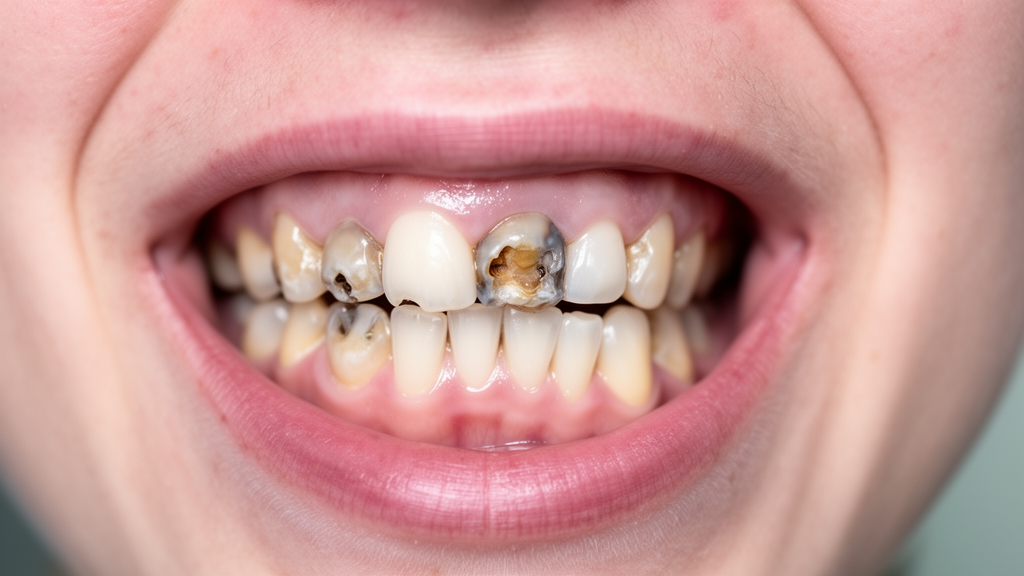
Clinical evaluations revealed pronounced abnormalities within the intraoral hard tissues of patients diagnosed with lipoid proteinosis. Clinicians observed hypodontia, microdontia, and enamel hypoplasia in the intraoral hard tissues of the patients. The examination of intraoral soft tissues demonstrated limited tongue mobility, thickening and hardening of the tongue structure, and atrophy of the tongue papillae. Patients also presented with pronounced thickening of the oral mucosa and lips, lacerations and wounds located at the corners of the mouth, and vestibular sulcus insufficiency.
Despite substantial soft and hard tissue alterations, quantitative analysis of saliva yielded no statistically significant variations between the two cohorts. The unstimulated salivary flow rate demonstrated no significant difference between lipoid proteinosis patients and controls, with a recorded p-value of 0.620. Salivary pH measurements showed a p-value of 0.580, while stimulated salivary flow rate comparisons yielded a p-value of 0.438. Distributions of salivary buffering capacity and saliva viscosity were likewise comparable, showing no significant differences at p-values of 0.296 and 0.812, respectively.
In contrast to the equivalent salivary metrics, the cumulative caries experience differed significantly between the study groups. The DMFT values recorded in patients with lipoid proteinosis were statistically higher than those observed in the matched healthy control group, yielding a p-value of 0.043. This divergence demonstrates that individuals with lipoid proteinosis experience elevated dental decay despite maintaining saliva volume, acidity levels, buffering capacity, and fluid thickness that align with normal physiological ranges.
The researchers noted that preventive clinical strategies for patients living with lipoid proteinosis should prioritize meticulous mechanical plaque removal and regular dental follow-up care to mitigate ongoing cavity development.
Subject of Research: Oral manifestations, salivary parameters, and dental caries in lipoid proteinosis
Article Title: Comparison of the relationship between oral findings and salivary parameters and DMFT in patients with lipoid proteinosis and healthy individuals: a case-control study
Article References: Yavuz, Y., An, İ., Yazmacı, B., & Yavuz, E. (2026). Comparison of the relationship between oral findings and salivary parameters and DMFT in patients with lipoid proteinosis and healthy individuals: a case-control study. Orphanet Journal of Rare Diseases. https://doi.org/10.1186/s13023-026-04696-6
Image Credits: AI Generated
DOI: 10.1186/s13023-026-04696-6
Keywords: lipoid proteinosis, dental caries, DMFT score, salivary parameters, oral mucosa, enamel hypoplasia, hypodontia, microdontia, salivary flow rate, salivary pH, buffering capacity, salivary viscosity, case-control study, oral manifestations, rare diseases, STROBE guidelines, dental health
News Source: Ophelia Keating. (November 19, 2026). Lipoid Proteinosis Patients Show Elevated Tooth Decay Despite Normal Saliva Parameters. Scienmag.