A comprehensive review published in Health Nanotechnology evaluates the dual nature of nanomedicine, detailing how nanoscale engineering has introduced unprecedented capabilities to clinical practice while creating complex physiological, ecological, and regulatory hazards. Emerging from concepts first articulated by physicist Richard Feynman in 1959, nanotechnology encompasses multidisciplinary scientific disciplines manipulating materials between 1 and 100 nanometers. In clinical contexts, engineered nanoscale structures operate at approximately one-thousandth the size of human cells, closely mirroring the dimensions of enzymes and biological receptors. This scale allows nanomaterials to cross biological barriers, interface with membrane receptors, and perform interventions with molecular precision. However, researchers emphasize that the specific physicochemical characteristics responsible for these breakthroughs—such as small dimensions, high surface reactivity, and prolonged systemic persistence—are identical to the attributes driving cellular toxicity, vital organ accumulation, and severe environmental contamination.
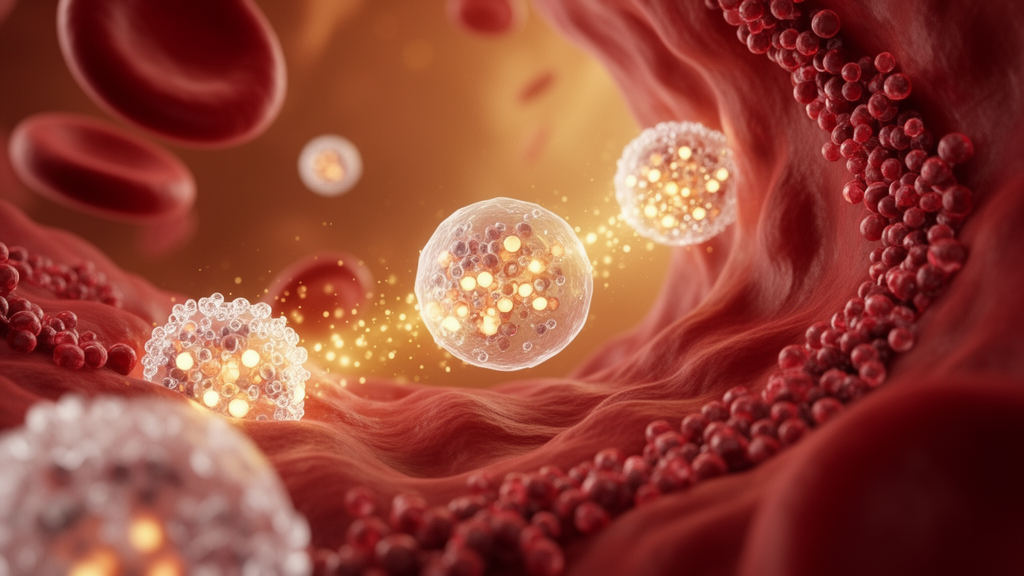
The foundation of nanoparticle-mediated therapeutics centers on targeted drug delivery, operating through complementary passive and active mechanisms designed to eliminate diseased cells while protecting healthy tissue. Passive targeting relies on the enhanced permeability and retention effect found in pathological vasculature, including tumors and chronically inflamed sites where rapidly growing vessels exhibit discontinuous endothelial junctions measuring 100 to 800 nanometers wide. Because these disordered anatomical regions also lack functional lymphatic drainage, circulating nanoparticles preferentially extravasate through porous vascular walls and accumulate inside target tissues for extended durations. To enhance accumulation precision, bioengineers functionalize nanoparticle surfaces with targeting ligands such as monoclonal antibodies, transferrin, aptamers, and folic acid. These ligands selectively bind to receptors overexpressed on diseased cells, such as human epidermal growth factor receptor 2 in breast cancer or folate receptors in ovarian malignancies, promoting internalization through clathrin-dependent or caveolae-dependent endocytosis.
Once internalized within target cells, smart nanocarriers must successfully evade endosomal entrapment to deliver molecular payloads into the cytosol without experiencing premature degradation. Engineered cationic polymer formulations exploit the proton sponge effect, absorbing protons to trigger osmotic swelling that ruptures endosomal membranes and liberates therapeutic agents into the cytoplasm. Advanced nanocarriers also incorporate stimuli-responsive linkers programmed to cleave under distinct physiological cues characteristic of the pathological microenvironment, such as acidic endosomal pH or elevated matrix metalloproteinases. In tumor tissues exhibiting pronounced redox variations, nanoplatforms utilize linkers with glutathione-cleavable bonds to exploit high intracellular glutathione levels, ensuring payload release occurs strictly inside target cells. Furthermore, hybrid formulations combining lipid-polyethylene glycol shells with polymeric cores demonstrate remarkable delivery improvements; for example, transferrin-tagged doxorubicin-loaded lipid-polymer hybrid nanoparticles achieve a 2.8- to 4.1-fold increase in cellular internalization within A549 lung cancer cells.
Diagnostic medicine has similarly achieved transformative progress through the application of nanoscale contrast agents, optical probes, and microfluidic sensing platforms that identify disease biomarkers before clinical symptoms emerge. Magnetic iron oxide nanoparticles significantly enhance contrast resolution in magnetic resonance imaging, distinguishing millimeter-scale malignant lesions from adjacent healthy tissue that would otherwise remain undetectable. Simultaneously, quantum dots function as bright, photostable fluorophores capable of binding specific genetic sequences or circulating disease biomarkers. Recent bioengineering advancements have integrated graphene oxide quantum dots into microfluidic biosensing chips, establishing high-throughput platforms capable of simultaneously detecting multiple cancer biomarkers directly from patient serum samples. These optical and electronic nanoplatforms operate alongside near-infrared up-conversion nanoparticles, which absorb low-energy light to emit higher-energy photons, providing clinicians with simultaneous multimodal imaging and light-activated photodynamic therapies that track dynamic therapeutic responses and disease progression in real time.
Beyond oncological chemotherapy, nanomedicine provides innovative therapeutic platforms for tissue regeneration, chronic metabolic disorders, and precision wound healing. In regenerative medicine, biocompatible nanoscaffolds deliver concentrated growth factors or therapeutic genes to repair complex structural defects, demonstrating therapeutic promise in clinical models of spinal cord trauma, osteoarthritis, and myocardial disease. In managing chronic metabolic conditions like diabetes mellitus, glucose-responsive polymeric nanogels continuously regulate insulin release in response to fluctuating glucose levels, reducing adverse hypoglycemic episodes compared to standard systemic insulin regimens. Similarly, targeted nanocarriers containing methotrexate or nanocurcumin provide localized suppression of chronic inflammation in rheumatoid arthritis and inflammatory bowel disease without provoking systemic immunosuppression. In procedural interventions, minimally invasive photothermal therapy harnesses gold nanoparticles to convert targeted light irradiation into heat, selectively destroying malignant cells while preserving structural integrity in adjacent normal tissues and accelerating overall post-procedural recovery.
Nanoparticles have also emerged as formidable tools for infection control and antimicrobial therapy, addressing the escalating clinical crisis of multidrug resistance across global healthcare environments. Inorganic metallic formulations, particularly silver nanoparticles and zinc oxide nanoparticles, exert potent bactericidal actions by adhering to microbial cell membranes, disrupting cell wall integrity, and inhibiting protective biofilm architecture. Upon cellular penetration, these metallic nanoparticles catalyze the excessive generation of reactive oxygen species, triggering intracellular oxidative cascades that systematically fragment bacterial deoxyribonucleic acid, denature vital enzymatic proteins, and arrest cellular replication. In topical applications, titanium dioxide and silver nanomaterials embedded within specialized wound dressings accelerate healing and prevent microbial colonization in extensive burns and surgical incisions. Systemically, lipid nanoparticles encapsulate fragile antibiotics, shielding them from premature metabolic degradation, while engineered lipid nanoparticles serve as essential delivery vehicles and immune adjuvants in messenger ribonucleic acid vaccines, including authorized clinical vaccines against coronavirus disease 2019.
Despite these clinical advances, the distinctive physical characteristics of engineered nanomaterials provoke severe toxicological concerns regarding cellular viability and vital organ preservation. The miniature dimensions and high surface reactivity that facilitate biological membrane traversal allow non-biodegradable nanoparticles to accumulate persistently within metabolic and excretory organs, particularly the liver, kidneys, and spleen. Metal-based nanoparticles, including silver, titanium dioxide, and gold, continuously produce reactive oxygen species that initiate extensive lipid peroxidation, mitochondrial impairment, and chromosomal aberrations. Furthermore, certain metallic formulations exhibit a cytotoxic Trojan horse effect, wherein intact particles enter cells and release concentrated toxic ions directly into intracellular compartments, triggering apoptotic cascades. Clinical evaluations of magnetic iron oxide nanoparticles demonstrate distinct organ-specific toxicities, including documented hepatotoxicity accompanied by elevated serum liver enzymes, acute renal dysfunction characterized by marked reductions in glomerular filtration rates among susceptible individuals, and neuroinflammation resulting from particles traversing the blood-brain barrier.
Immunological safety represents another critical barrier to clinical translation, as engineered nanostructures can trigger unexpected immunogenic cascades and acute hypersensitivity reactions upon vascular introduction. Even widely utilized surface modifications designed to extend circulation longevity can provoke severe immune responses; for instance, repeated administration of polyethylene glycol-modified nanocarriers can induce anti-polyethylene glycol antibody production, resulting in accelerated blood clearance and complement activation-related pseudoallergy. Similarly, complex polymeric nanocarriers and dendrimers can inappropriately activate circulating immune cells, precipitating inflammatory cascades and tissue swelling. A prominent clinical investigation involving gold nanoparticles administered during diagnostic imaging procedures revealed severe hypersensitivity reactions in exposed patients, who developed acute dermal erythema, extensive tissue swelling, and respiratory distress. Mechanistic analyses indicated that the unique surface properties of the gold nanoparticles stimulated basophils and mast cells to degranulate and release substantial quantities of histamine and inflammatory cytokines, underscoring the vital necessity of routine pre-treatment hypersensitivity screening and comprehensive immunocompatibility testing.
The widespread synthesis and clinical deployment of non-biodegradable nanomaterials introduce substantial ecotoxicological hazards as medical byproducts and industrial effluents enter municipal wastewater streams and terrestrial environments. Current wastewater treatment infrastructures lack the filtration capacity to capture sub-micron particles, resulting in continuous discharges of engineered nanomaterials into natural aquatic reservoirs and agricultural soils. In terrestrial ecosystems, zinc oxide and titanium dioxide nanoparticles from agricultural sprays and industrial waste induce chronic oxidative stress in soil microflora, disrupting beneficial microbial communities and impairing the biological decomposition of organic matter essential for nutrient cycling. In aquatic environments, suspended silver nanoparticles generate lethal oxidative cascades in algae, small aquatic invertebrates, and fish populations, causing cellular death and behavioral impairment. Furthermore, stable metallic and carbon-based nanomaterials exhibit dangerous bioaccumulation patterns, concentrating within fish gills, hepatic tissues, and neural structures. As contaminated aquatic organisms are consumed by predators, these persistent materials undergo trophic biomagnification throughout marine food webs, eventually migrating into human food supplies through seafood consumption.
The clinical translation and commercial approval of innovative nanomedicines face rigorous regulatory scrutiny and immense manufacturing complexities that have delayed or prevented the market introduction of numerous promising formulations. Regulatory agencies like the United States Food and Drug Administration require extensive totality-of-the-evidence frameworks for nanomedicine follow-ons and generic nanoformulations, mandating exhaustive physicochemical characterization, batch-to-batch reproducibility, and detailed nonclinical pharmacokinetics. Formulations frequently encounter regulatory failure due to unvalidated analytical testing of particle size distributions, surface charges, and drug release profiles. Historical precedents illustrate these profound translational hurdles: while doxorubicin-encapsulated liposomes achieved regulatory success, other agents like SPI-77—a pegylated liposomal cisplatin engineered to reduce systemic chemotherapy toxicity—failed catastrophically during clinical trials because excessive formulation stabilization completely prevented therapeutic drug release within target tumor tissues. Similar development delays have impacted albumin-bound paclitaxel, liposomal irinotecan, and polymeric micelle formulations due to stability concerns, raw material purity variations, and the technical difficulties of scaling complex microfluidic synthesis to industrial manufacturing volumes.
Economic disparities and distribution barriers further restrict the global accessibility of advanced nanomedicines, particularly across low- and middle-income countries where high acquisition costs exclude vulnerable patient populations. Complex manufacturing paradigms, rigorous quality control requirements, and proprietary patent protections drive prohibitive market pricing for vital nanotherapies, exemplified by the limited availability of liposomal amphotericin B in regions heavily burdened by visceral leishmaniasis. To overcome these systemic impediments, international research consortia are prioritizing green nanotechnology paradigms that synthesize biodegradable nanoparticles from renewable plant extracts and biocompatible polymers, ensuring natural physiological clearance without toxic accumulation. Concurrently, pioneering developments in self-assembling protein nanoparticles provide highly structured, biodegradable platforms for next-generation vaccines targeting malaria, human immunodeficiency virus, and malignant neoplasms. When coupled with artificial intelligence algorithms that optimize personalized dosing regimens and non-viral nanocarriers engineered for precise clustered regularly interspaced short palindromic repeats gene editing, nanotechnology maintains the potential to revolutionize modern healthcare, provided international regulatory bodies establish harmonized safety standards, equitable access initiatives, and rigorous environmental protections.
Subject of Research: Clinical applications, physiological risks, and regulatory challenges of medical nanotechnology
Article Title: Nanotechnology in medicine: a double-edged sword for health outcomes
Article References: Fortune, A., Aime, A., Raymond, D., & Kumar, S. (2025). Nanotechnology in medicine: a double-edged sword for health outcomes. Health Nanotechnology, 1(1), Article 9. https://doi.org/10.1186/s44301-025-00008-2
Image Credits: AI Generated
DOI: 10.1186/s44301-025-00008-2
Keywords: Nanotechnology, Nanomedicine, Targeted Drug Delivery, Enhanced Permeability and Retention, Quantum Dots, Magnetic Nanoparticles, Bioavailability, Silver Nanoparticles, Oxidative Stress, Immunogenicity, Organ Toxicity, Bioaccumulation, Biomagnification, Regulatory Harmonization, Polyethylene Glycol, Green Nanotechnology, Self-Assembling Protein Nanoparticles, Cancer Therapeutics
News Source: Ophelia Keating. (November 19, 2026). Clinical Nanomedicine Delivers Targeted Therapies While Posing Significant Toxicological Risks. Scienmag.