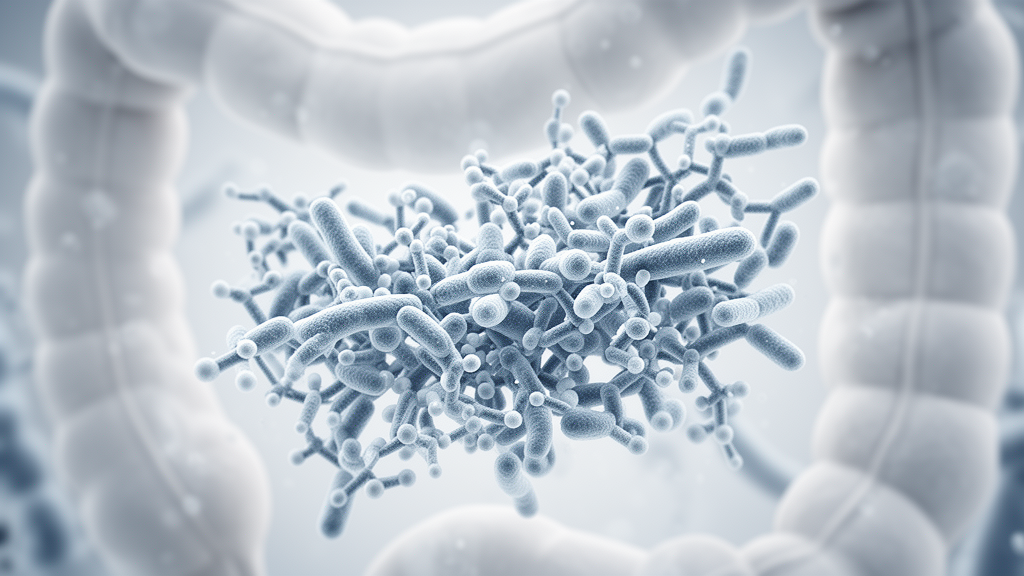
A comprehensive review published in Frontiers in Nutrition evaluates the biological rationale, experimental evidence, and translational limitations of pairing 2′-fucosyllactose, a prominent human milk oligosaccharide, with the mucin-degrading bacterium Akkermansia muciniphila as a candidate synergistic synbiotic. Authored by researchers from Zhejiang Chinese Medical University, the narrative review synthesizes mechanistic findings demonstrating that 2′-fucosyllactose can support the enrichment and metabolic activity of A. muciniphila in experimental systems. However, the authors explicitly emphasize that current evidence supporting this pairing is derived primarily from in vitro cultures and animal disease models, while human trials to date have evaluated only single-component interventions rather than the combined formulation. Under the consensus definition established by the International Scientific Association for Probiotics and Prebiotics, true synergistic synbiotics require the co-administered substrate to be selectively utilized by the co-administered live microorganism to confer host benefits, a criterion that currently remains provisional and awaiting formal experimental verification.
The human milk oligosaccharide 2′-fucosyllactose is structurally defined as a trisaccharide composed of L-fucose, D-galactose, and D-glucose linked by specific glycosidic bonds, wherein the fucose residue connects to the galactose residue through an alpha-1,2-glycosidic bond at the non-reducing end of lactose. Naturally present in human breast milk at concentrations generally reported between 0.06 and 3.93 grams per liter depending on maternal lactation stage and secretor status, 2′-fucosyllactose serves non-nutritive biological functions in infants, such as selectively promoting beneficial gut taxa, providing anti-adhesive pathogen protection against microbes like enteropathogenic Escherichia coli and rotavirus, modulating mucosal inflammation via CD14 and Toll-like receptor signaling, and supporting neurodevelopment. While widely authorized in infant formulas across multiple international jurisdictions including the United States, the European Union, and China, its application as a broader adult functional food ingredient remains constrained by incomplete characterization of optimal adult dosing, gastrointestinal pharmacokinetics, and individual variations in host glycan metabolism.
Concurrently, Akkermansia muciniphila has emerged as a prominent next-generation probiotic candidate owing to its unique ecological role as a strict anaerobe capable of utilizing host mucosal glycoproteins as a primary carbon and nitrogen source. First isolated from human feces in 1998, A. muciniphila typically comprises between one and three percent of the fecal microbiota in healthy individuals, although cohort analyses demonstrate broad interindividual variability, with some healthy adult populations exhibiting mean relative abundances below 0.1 percent or undetectable levels. The bacterium produces an atypical lipooligosaccharide that signals through both TLR2 and TLR4 while lacking the canonical inflammatory potency of enterobacterial lipopolysaccharide. Preclinical models demonstrate that A. muciniphila degrades the mucus layer via specialized glycosidases to stimulate epithelial renewal, downregulates proinflammatory cytokines such as tumor necrosis factor-alpha and interleukin-6, promotes tight junction protein expression, and produces acetate and propionate to influence host mucosal barrier integrity and metabolic homeostasis.
The proposed biological synergy between 2′-fucosyllactose and A. muciniphila centers on the hypothesis that exogenous delivery of 2′-fucosyllactose provides an alternative fucose-containing glycan that enriches the bacterium’s intestinal colonization, modulates its enzymatic output, and amplifies protective metabolic signaling without compromising mucosal barrier integrity. In bacterial monoculture studies, A. muciniphila MucT demonstrates the enzymatic capacity to cleave 2′-fucosyllactose through endogenous glycosyl hydrolase family 29 fucosidases, such as Amuc_0846, alongside family 2 beta-galactosidases. Biochemical profiling reveals that A. muciniphila rapidly internalizes and metabolizes the cleaved fucose moiety while largely exporting the remaining lactose core into the extracellular space. This metabolic partitioning creates a potential cross-feeding trophic network, where liberated lactose and bacterial metabolic intermediates may become accessible to secondary commensal taxa that synthesize butyrate, an essential short-chain fatty acid that A. muciniphila does not directly produce in monoculture.
Despite this compelling in vitro metabolic framework, in vivo evidence directly testing the co-administration of 2′-fucosyllactose and A. muciniphila is currently restricted to only two published rodent colitis studies. In an antibiotic-pretreated mouse model of lipopolysaccharide-induced colitis conducted by the review’s authors, oral co-administration of 6 grams per kilogram per day of 2′-fucosyllactose with 2 times 10 to the seventh colony-forming units per day of live A. muciniphila MucT for 14 days enhanced colon length, restored zonula occludens-1 and occludin expression, suppressed proinflammatory cytokines, and significantly elevated fecal acetate, propionate, butyrate, and valerate concentrations compared to bacterial monocolonization. In an independent four-arm study using dextran sulfate sodium-induced colitis in mice, combined administration of 500 milligrams per kilogram per day of 2′-fucosyllactose and 10 to the ninth colony-forming units per day of live A. muciniphila BAA-835 for 10 days significantly improved fecal and mucosal bacterial colonization and reduced colitis severity compared to bacterial treatment alone.
Crucially, the review underscores that neither of these foundational animal investigations conducted formal statistical interaction testing within a balanced factorial framework to determine whether the combination yielded true synergistic biological effects rather than additive independent actions. Furthermore, the two animal studies exhibited a twelve-fold divergence in 2′-fucosyllactose dosing and a fifty-fold divergence in bacterial inoculum without exploring dose-response relationships, and the highest tested rodent dose far exceeds realistic dietary intakes feasible in adult functional food matrices. To address these methodological gaps, the authors outline a prioritized validation framework requiring balanced four-arm, two-by-two factorial experiments in germ-free or antibiotic-depleted models. Such designs must evaluate control, 2′-fucosyllactose alone, A. muciniphila alone, and combination groups to rigorously test the statistical interaction term across measured outcomes including absolute bacterial abundance, mucosal transcriptomics, short-chain fatty acid flux, and epithelial barrier biomarkers.
Translational development of live A. muciniphila faces formidable industrial obstacles due to the bacterium’s extreme oxygen sensitivity and fastidious nutritional requirements. Although genomic analyses show that A. muciniphila encodes a functional cytochrome bd terminal oxidase enabling transient tolerance to nanomolar oxygen concentrations at the mucosal boundary, industrial processing in aerated liquid or powdered food systems leads to rapid viability loss. Cultivation historically relied on animal-derived mucin media, which presents substantial safety, contamination, and regulatory barriers for commercial food products, necessitating the development of certified animal-free, food-grade media and controlled microencapsulation technologies using milk protein or polysaccharide matrices. In contrast, pasteurized preparations of A. muciniphila circumvent downstream viability and shelf-life constraints, retaining biological activity through heat-stable cellular components such as the outer membrane protein Amuc_1100, which has demonstrated metabolic improvements in human proof-of-concept clinical trials.
Host genetics and baseline gut microbiome composition introduce further clinical complexities into the efficacy of 2′-fucosyllactose supplementation in adult cohorts. Expression of endogenous alpha-1,2-fucosylated glycans in human gastrointestinal secretions and mucosal surfaces is governed by the fucosyltransferase 2 gene, with non-secretor individuals lacking active enzyme activity due to loss-of-function polymorphisms such as G428A in European populations or A385T in East Asian cohorts. Non-secretors lack endogenous mucosal fucose structures and may theoretically derive targeted compensatory benefit from dietary 2′-fucosyllactose; alternatively, the absence of natural fucosylated niches may impair colonization by fucose-utilizing taxa. Clinical trials in adults have reported inconsistent prebiotic outcomes, including a randomized controlled trial in overweight adults where 12 grams per day of 2′-fucosyllactose for 8 weeks following antibiotic exposure failed to significantly alter gut microbiome or resistome structure, highlighting that adult microbiome responsiveness cannot be presumed from infant feeding data.
The review also evaluates preliminary preclinical evidence regarding A. muciniphila and 2′-fucosyllactose in secondary oncological contexts, while cautioning against conflating experimental tumor findings with intestinal homeostasis. Preclinical investigations have observed that live A. muciniphila can enhance the therapeutic responses of systemic chemotherapeutic agents such as cisplatin and FOLFOX in murine cancer models, while bacterial cyclic di-AMP has been reported to trigger STING-dependent type I interferon signaling in mononuclear phagocytes. Separately, 2′-fucosyllactose has demonstrated in vitro pro-apoptotic effects in HCT116 colon cancer cell cultures and alleviated 5-fluorouracil mucosal injury in mice. However, the authors emphasize that 2′-fucosyllactose undergoes minimal upper gastrointestinal absorption and is predominantly fermented in the distal colon, making direct systemic tumor exposure highly implausible under conventional dietary regimens. Moreover, adverse preclinical reports demonstrate that A. muciniphila monotherapy can exacerbate tumor burden in specific post-antibiotic colitis-associated colorectal cancer models, reinforcing the necessity of thorough safety profiling.
Regulatory frameworks across global jurisdictions maintain rigorous distinctions between viable probiotics, inactivated cellular preparations, and purified dietary glycans. In the European Union, the European Commission authorized pasteurized A. muciniphila as a novel food ingredient for specific adult uses following European Food Safety Authority evaluations, with conditions amended in 2026, but this authorization does not extend to live bacterial strains or synbiotic mixtures. In the United States, several 2′-fucosyllactose products have secured Generally Recognized as Safe notifications with FDA no-questions letters for designated uses, and pasteurized A. muciniphila HB05P completed a New Dietary Ingredient notification in late 2025, but blanket regulatory clearance for combined living formulations remains non-existent. Regulatory compliance mandates that candidate products establish comprehensive strain identity, source-specific toxicity profiles, stable manufacturing standards, and substantiated health claims within the intended jurisdiction before commercial introduction.
Ultimately, the synthesis presents the pairing of 2′-fucosyllactose and A. muciniphila as an intellectually compelling and biologically plausible candidate synergistic synbiotic that bridges nutritional glycobiology, microbial ecology, and functional food science. However, the paradigm remains supported primarily by preliminary preclinical associations and unverified mechanistic hypotheses. Until randomized, double-blind, placebo-controlled human clinical trials demonstrate clear physiological benefits and factorial animal models confirm statistical synergy, the combination must be classified as provisional. Rigorous interdisciplinary investigation integrating stable-isotope metabolic tracing, host genotypic stratification, standardized bioengineering processes, and compliant regulatory dossiers will be indispensable to transition this candidate substrate-microbe axis from experimental hypothesis into validated clinical and functional food applications.
Subject of Research: Candidate synbiotic mechanisms of 2′-fucosyllactose and Akkermansia muciniphila for gut barrier function and immune regulation
Article Title: 2′-fucosyllactose and Akkermansia muciniphila as a candidate synergistic synbiotic: mechanisms for gut health and immune modulation
Article References: Ma, Y., Jin, Y., & Shuai, Y. (2026). 2′-fucosyllactose and Akkermansia muciniphila as a candidate synergistic synbiotic: mechanisms for gut health and immune modulation. Frontiers in Nutrition, 13, Article 1964310. https://doi.org/10.3389/fnut.2026.1964310
Image Credits: AI Generated
DOI: 10.3389/fnut.2026.1964310
Keywords: 2′-fucosyllactose, Akkermansia muciniphila, synbiotics, human milk oligosaccharides, gut microbiota, mucosal immunology, short-chain fatty acids, intestinal barrier, prebiotics, probiotics, FUT2 secretor status, functional foods, microbiome research, colitis models, glycobiology, epithelial integrity
News Source: Morgan Morrow. (November 19, 2026). Milk Glycan and Gut Microbe Combination Evaluated as Candidate Synbiotic. Scienmag.