A laboratory investigation evaluating human bladder epithelial responses to uropathogenic Escherichia coli has demonstrated that the inflammasome-associated protein CARD8 helps maintain steady-state inflammatory signaling while actively restricting bacterial attachment and entry into urothelial tissue. Published in Molecular Medicine by Geena V. Paramel and Isak Demirel, the study clarifies the operational role of CARD8 in barrier cells of the lower urinary tract, where recurrent bacterial challenges pose persistent clinical burdens. By utilizing differentiated human urothelial cell cultures alongside targeted gene-silencing techniques, the authors uncovered that diminishing cellular CARD8 reserves unexpectedly elevated bacterial colonization and intracellular invasion. This observed increase in susceptibility occurred in tandem with an upregulation of uroplakin 1A transcript levels, shedding critical light on how host innate factors govern pathogen-epithelial encounters during the earliest phases of urinary tract infection.
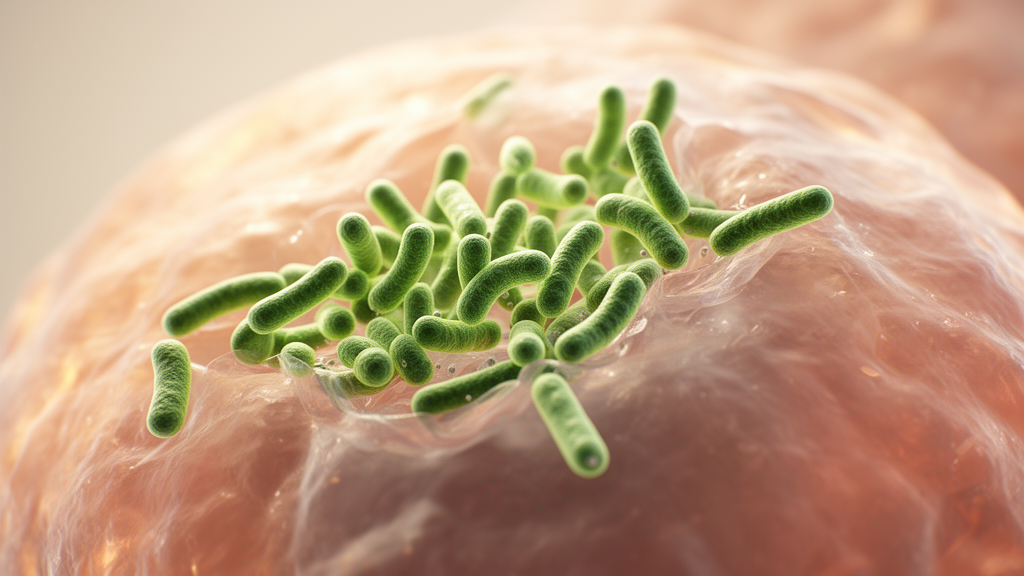
Urinary tract infections represent one of the most widespread bacterial infections globally, producing substantial clinical challenges and frequently recurring among adult women. The overwhelming majority of these infections are triggered by uropathogenic Escherichia coli, commonly abbreviated as UPEC. UPEC strains express a coordinated repertoire of virulence elements, including filamentous surface structures such as type-1 fimbriae and P-fimbriae, the pore-forming toxin alpha-hemolysin, cell-wall lipopolysaccharides, iron-scavenging siderophores, and specific immune-modulatory proteins. While type-1 fimbriae are recognized for anchoring bacteria to superficial urothelial cells and facilitating cellular entry, alpha-hemolysin damages host cell membranes, promotes tissue exfoliation, and triggers inflammatory cascades. Furthermore, the ability of UPEC to penetrate bladder epithelial cells permits the formation of intracellular bacterial communities and dormant reservoirs that withstand antibiotic treatments and evade innate host immune clearance.
Beyond serving as an impermeable passive physical lining, the urinary tract epithelium functions as an active immunological sentinel that senses invading pathogens and quickly initiates local inflammatory responses. When confronted with UPEC, urothelial cells secrete key chemical messengers, including interleukin-6, interleukin-8, and interleukin-1 beta, which orchestrate the recruitment and activation of immune cells. Interleukin-1 beta is synthesized as an inactive pro-form that necessitates enzymatic processing by caspase-1 before it can be released as an active cytokine. This proteolytic maturation is controlled by cytosolic protein platforms known as inflammasomes, with the NLRP3 inflammasome recognized as a key mediator during UPEC challenge. Previous work established that the pyelonephritis-derived UPEC reference strain CFT073 triggers caspase-1 activation and interleukin-1 beta release in bladder cells via mechanisms driven by alpha-hemolysin. Within this molecular network, the protein CARD8 represents an intriguing and structurally distinct regulator that harbors both a FIIND region and a C-terminal CARD domain capable of recruiting caspase-1, yet its specific involvement in human bladder epithelial defense had remained uncharacterized.
To define how CARD8 influences host-pathogen interactions in the urinary bladder, the researchers utilized spontaneously immortalized human bladder epithelial cells known as HBLAK, alongside primary human bladder epithelial cells designated HBEP and the established urothelial carcinoma line 5637. Cells were seeded into culture plates and treated with either small interfering RNA targeting human CARD8 or a non-targeting negative control duplex at a final concentration of 10 nanomolar using Lipofectamine 2000. Following transfection, the cells were differentiated for 24 hours in specialized EpiLife medium supplemented with 1 millimolar calcium chloride and keratinocyte growth supplement to adopt an umbrella-like epithelial phenotype before bacterial exposure. Silencing efficacy was validated using both quantitative real-time PCR and western blot analysis, which confirmed substantial knockdown across three distinct CARD8 protein isoforms, specifically bands resolved at 60 kilodaltons, 47 kilodaltons, and 25 kilodaltons.
The experimental protocol incorporated a defined panel of bacterial isolates to distinguish pathogen-specific mechanisms from general bacterial exposure. For comparative analyses, experiments also evaluated the cystitis-derived clinical strain UTI89, an anonymized clinical UPEC isolate recovered from a patient with suspected pyelonephritis, and the non-pathogenic laboratory reference strain Escherichia coli K-12 MG1655. Cultured bacteria were harvested from broth, resuspended in phosphate-buffered saline, and applied to differentiated cell layers at precise multiplicities of infection tailored to specific readout parameters, applying lower multiplicities for cytokine release and viability assays to limit premature epithelial cytotoxicity while reserving higher ratios for adhesion and invasion measurements.
Initial evaluations demonstrated that experimental silencing of CARD8 profoundly altered the basal inflammatory profile of bladder epithelial cells prior to any bacterial contact. In unstimulated cells, the depletion of CARD8 caused a statistically significant reduction in baseline messenger RNA levels for both interleukin-1 beta and NLRP3 compared to control-transfected counterparts, whereas basal caspase-1 and interleukin-8 transcripts remained largely unaffected. At the protein level, western blotting revealed that CARD8 knockdown substantially lowered the intracellular reserves of pro-interleukin-1 beta and pro-caspase-1 without significantly altering basal NLRP3 protein abundance.
The researchers next examined whether CARD8 is necessary for initiating acute inflammatory signaling when bladder epithelial cells are actively infected with CFT073. Upon exposing control cells to CFT073 at a multiplicity of infection of 1 for three hours, caspase-1 activity measured with the fluorogenic substrate Ac-YVAD-AMC increased significantly, whereas detectable elevations in secreted interleukin-1 beta and lactate dehydrogenase required five hours of infection. Strikingly, knocking down CARD8 did not prevent or attenuate the acute release of interleukin-1 beta, the release of lactate dehydrogenase, or the activation of caspase-1 evoked by five hours of CFT073 exposure. Both control and CARD8-depleted cells demonstrated significant transcriptional upregulation of interleukin-1 beta and interleukin-8 following bacterial infection. While baseline NLRP3 transcript levels were depressed in unstimulated CARD8-silenced cells, infection restored NLRP3 gene expression to levels comparable to infected controls, confirming that acute pathogen-driven inflammasome activation can proceed through alternative cellular pathways independent of CARD8 abundance.
A notable divergence between basal homeostatic control and infection-induced regulation emerged during the analysis of interleukin-8 chemokine dynamics. Under resting conditions, CARD8 silencing consistently depressed baseline interleukin-8 protein release at both three and five hours. In control-transfected bladder epithelial cells, five hours of CFT073 exposure produced an apparent uncoupling between gene transcription and protein release, as interleukin-8 transcript levels increased while secreted interleukin-8 protein concentrations declined significantly relative to uninfected controls. However, in cells where CARD8 had been silenced by siRNA, subsequent CFT073 infection reversed the baseline suppression, leading to an increase in secreted interleukin-8 protein compared to unstimulated CARD8-deficient cells. Measurements of interleukin-6 were also attempted across these culture conditions, but interleukin-6 concentrations fell below the assay limit of detection in these experimental models, highlighting the selective nature of the chemokine shifts.
To investigate how CARD8 status alters physical pathogen engagement, the investigators evaluated bacterial colonization and cellular entry using fluorescence microscopy, microplate fluorometry, and quantitative gentamicin protection assays. HBLAK cells infected with green fluorescent protein-expressing CFT073 at a multiplicity of infection of 100 for three hours showed a significant elevation in overall bacterial colonization following CARD8 knockdown, as indicated by both mean fluorescence intensity and direct imaging. When cells were infected at a multiplicity of infection of 10 and subsequently treated with 100 micrograms per milliliter of gentamicin to eradicate extracellular bacteria, cell lysates from CARD8-silenced monolayers yielded significantly higher colony-forming units on agar plates, confirming a marked rise in intracellular bacterial invasion. Seeking potential surface mechanisms underlying this heightened susceptibility, real-time PCR revealed that CARD8 knockdown significantly elevated basal transcript levels of uroplakin 1A, an established urothelial glycoprotein receptor recognized by type-1 fimbrial adhesins, while transcript levels of integrin subunit alpha 3 and integrin subunit beta 1 were unaltered and uroplakin 3A remained undetectable.
The study further addressed how bacterial challenge reciprocally influences host CARD8 expression across different urothelial settings. Western blot profiling revealed that exposure to wild-type CFT073 selectively downregulated the 47-kilodalton isoform of CARD8 after five hours of infection, leaving the 60-kilodalton and 25-kilodalton isoforms statistically unchanged. This selective downregulation of the 47-kilodalton band was replicated following infection with the cystitis isolate UTI89 and the pyelonephritis clinical isolate, but did not occur following challenge with the non-pathogenic K-12 strain MG1655. Furthermore, this 47-kilodalton reduction was confirmed across multiple cell models, including primary HBEP cells and the 5637 bladder carcinoma line. When testing CFT073 mutants lacking fimH, pap, or TcpC, the selective depletion of the 47-kilodalton isoform persisted unabated. Infection with the alpha-hemolysin-deficient strain delta-hlyA also significantly reduced the 47-kilodalton protein, though it exhibited a non-significant trend toward slightly higher residual levels. Concurrently, infection with the delta-hlyA mutant caused marked intracellular accumulations of pro-interleukin-1 beta and amplified phosphorylation of p38 mitogen-activated protein kinase relative to wild-type infection, while both delta-hlyA and delta-pap mutants yielded higher residual caspase-1 protein abundance.
Interpreting their overall findings, the authors emphasized that CARD8 appears to operate primarily as a gatekeeper of baseline urothelial homeostasis and bacterial adherence rather than as an obligate executioner of acute UPEC-induced inflammasome signaling. Unlike the NLRP3 inflammasome, which previous work identified as an enhancer of bacterial colonization, intact CARD8 expression functions to restrict UPEC adherence and invasion, possibly by suppressing baseline expression of uroplakin 1A. Because uropathogenic strains selectively downregulate the 47-kilodalton CARD8 isoform during infection, the pathogen may exploit this pathway to establish a more permissive mucosal niche. Importantly, the researchers noted key limitations inherent to the study design, emphasizing that associations between CARD8, uroplakin 1A transcript levels, and invasion warrant further direct biochemical validation. Additionally, because CARD8 lacks a direct functional orthologue in rodents, standard murine models of urinary tract infection cannot readily replicate human CARD8 dynamics, underscoring the critical need for advanced human-relevant tissue platforms to establish whether manipulating CARD8 pathways can ultimately influence recurrent infection and bacterial clearance in clinical settings.
Subject of Research: Regulation of basal inflammatory signaling and uropathogenic Escherichia coli colonization by CARD8 in human bladder epithelial cells
Article Title: CARD8 regulates basal inflammatory signaling and UPEC colonization in bladder epithelial cells
Article References: Paramel, G. V., & Demirel, I. (2026). CARD8 regulates basal inflammatory signaling and UPEC colonization in bladder epithelial cells. Molecular Medicine, 32(1), Article 205. https://doi.org/10.1186/s10020-026-01686-z
Image Credits: AI Generated
DOI: 10.1186/s10020-026-01686-z
Keywords: CARD8, uropathogenic Escherichia coli, bladder epithelial cells, urinary tract infection, CFT073, inflammasome, interleukin-1 beta, interleukin-8, UPK1A, uroplakin 1A, caspase-1, bacterial invasion, bacterial colonization, HBLAK cells, alpha-hemolysin, NLRP3, gentamicin protection assay
News Source: Ophelia Keating. (November 18, 2026). CARD8 Depletion Increases Bladder Cell Colonization and Invasion by Uropathogenic E. coli. Scienmag.