A longitudinal study involving nearly 3,000 adults has found no significant association between subclinical carotid atherosclerosis and changes in hearing thresholds over a 10-year period. The research, conducted at the healthcare center of a tertiary hospital in Seoul, South Korea, addressed a long-standing question in otology regarding the potential impact of cardiovascular health on auditory function. By retrospectively analyzing data from 2,878 subjects who underwent carotid ultrasonography and repeated pure-tone audiometry, the investigators sought to determine whether baseline indicators of arterial health could predict future declines in hearing, while carefully adjusting for initial hearing status and established cardiovascular risk factors.
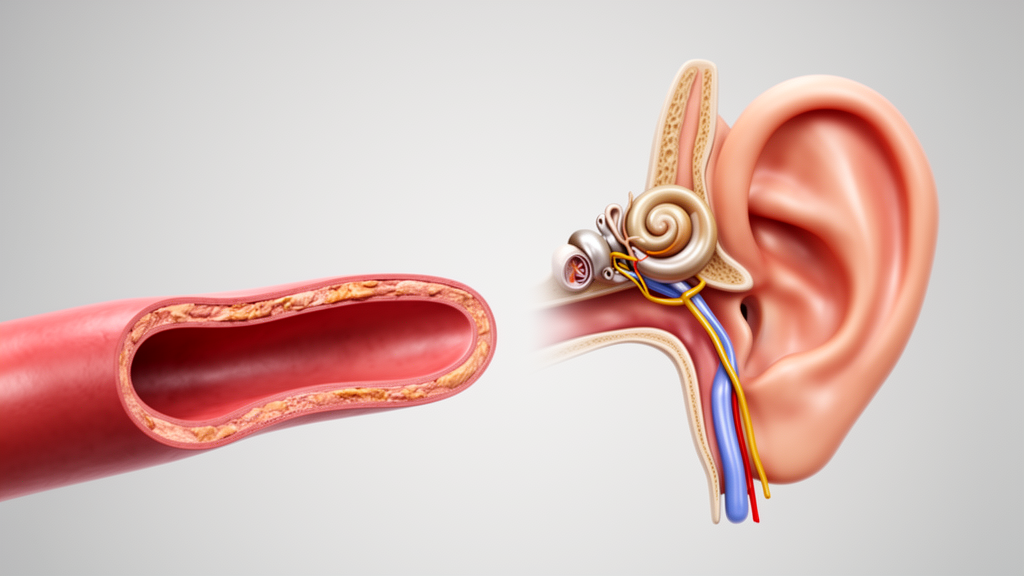
Hearing loss is a common condition that typically begins to manifest in middle age, with its prevalence increasing as populations age. Given the associated challenges, such as communication difficulties, social isolation, and cognitive decline, identifying modifiable risk factors has become a major public health priority. Among the theories proposed for age-related hearing decline is the potential role of vascular mechanisms. The cochlea, an organ with high metabolic demand, is supplied by the labyrinthine artery, which is often described as a functional end artery with limited collateral circulation. Furthermore, the stria vascularis, essential for maintaining the endocochlear potential, is densely vascularized; previous temporal bone studies have documented strial atrophy and thickening of capillary walls, fueling the hypothesis that systemic vascular health might influence auditory maintenance throughout the lifespan.
The study design utilized a single-center longitudinal approach, tracking subjects who participated in health screening programs. Initially, the research team identified 3,533 subjects who underwent both carotid ultrasonography and pure-tone audiometry between 2003 and 2013, with a follow-up assessment conducted within a decade. After excluding participants with incomplete audiometric data, the final analytic cohort consisted of 2,878 individuals, none of whom had a known history of stroke or transient ischemic attack at the time of their baseline examination. This rigorous selection process allowed the investigators to focus on a population-based analysis that accounted for cardiovascular and metabolic covariates, including age, sex, body mass index, systolic blood pressure, low-density lipoprotein cholesterol, glycated hemoglobin, and cumulative smoking exposure.
Carotid atherosclerosis was evaluated using two primary metrics: carotid intima–media thickness (cIMT) and the presence of carotid plaque. Board-certified radiologists performed the ultrasonography, with bilateral assessment of the common carotid artery, carotid bulb, internal carotid artery, and external carotid artery. cIMT was measured on the far wall of the common carotid artery. Carotid plaque was defined by specific morphological criteria, including focal encroachment into the arterial lumen or a thickness exceeding 1.5 mm. To ensure robust statistical analysis, the researchers also quantified plaque burden by counting the number of affected arterial segments, allowing for a comprehensive evaluation of subclinical atherosclerosis that extended beyond a simple presence-or-absence binary.
Pure-tone audiometry was conducted using calibrated equipment at baseline and follow-up, measuring air-conduction thresholds at 0.5, 1, 2, and 4 kHz bilaterally. The primary longitudinal analysis utilized generalized estimating equations (GEE) to examine the association between baseline carotid health and 10-year follow-up hearing thresholds, with the baseline pure-tone average treated as a covariate to account for pre-existing hearing differences. This methodology distinguishes the current study from earlier research, which often lacked baseline hearing data or utilized it differently, such as by restricting eligibility to specific threshold ranges. By conditioning on baseline hearing, the team was able to isolate the effect of carotid atherosclerosis on subsequent auditory change rather than simply analyzing cross-sectional prevalence.
The demographic and clinical profile of the study participants reflected a diverse health-screening population. At baseline, the mean age was 52.5 years, and 71.9% of the participants were male. Carotid plaque was present in 13.6% of the cohort, and the mean cIMT was 0.67 mm. As expected, participants found to have carotid plaque were generally older, had higher body mass index, systolic blood pressure, and glycated hemoglobin, and were more likely to use antihypertensive, antidiabetic, and lipid-lowering medications compared to the no-plaque group. Interestingly, while better-ear pure-tone averages were higher in the plaque group at both baseline and follow-up, these cross-sectional variations did not translate into a statistically significant association when longitudinal models were adjusted for baseline auditory status and other metabolic variables.
The central findings of the study indicate that neither cIMT nor the presence of carotid plaque was predictive of the 10-year follow-up pure-tone average. The regression coefficient for cIMT was 0.026 dB HL per 0.1-mm increment, with a p-value of 0.631, and the coefficient for plaque presence was 0.204 dB HL, with a p-value of 0.442. These results were consistently null across side-specific models, frequency-specific analyses, and plaque burden metrics. The findings suggest that in this cohort, subclinical carotid atherosclerosis did not exert an independent, long-term influence on the rate of hearing decline. The researchers suggest that the small associations identified in some previous studies, even if statistically significant, were often well below the 5 dB HL threshold commonly considered clinically meaningful.
These findings contrast with some earlier population-based cohorts, such as the Beaver Dam Offspring Study or the Rotterdam Study, which reported links between greater carotid atherosclerosis and poorer hearing or a higher incidence of hearing impairment. The authors note that direct comparison remains challenging due to differences in design, ranging from cross-sectional methodologies in the Rotterdam and Framingham Offspring studies to the exclusion of baseline hearing in others. Furthermore, the lack of association observed here does not necessarily rule out all vascular contributions to hearing loss; rather, it highlights the potential disconnect between chronic, subclinical large-vessel atherosclerosis and the specific vascular mechanisms that support cochlear function.
From an anatomical and physiological perspective, it is important to note that the carotid circulation does not directly supply the cochlea, which is instead served by the labyrinthine artery—a branch of the vertebrobasilar circulation. While abrupt vascular insults to the cochlea can indeed cause ischemic injury, the chronic nature of subclinical carotid plaque is likely distinct from the acute, localized events that might lead to immediate sensorineural hearing loss. Compensatory autoregulatory mechanisms in the auditory system may further mitigate the impact of the gradual hemodynamic changes typically associated with early-stage carotid atherosclerosis. Consequently, the study cautions that patients with subclinical findings on carotid ultrasonography should not be advised that hearing loss is an inevitable or expected consequence of their diagnosis.
Despite the strengths of this study, including the large sample size and the longitudinal assessment of hearing change, the authors acknowledge several limitations. The degree of carotid stenosis was not assessed, and the cohort primarily consisted of individuals with early-stage atherosclerosis, meaning the findings may not apply to populations with more advanced carotid disease. Additionally, cIMT was measured at a single point in time, and noise exposure data were unavailable, leaving room for potential residual confounding. The study population, drawn from a tertiary hospital screening program, might also be healthier than the general public, which could limit generalizability. Nevertheless, the study provides a robust, evidence-based perspective on the relationship between carotid atherosclerosis and 10-year hearing change, emphasizing the complexity of vascular contributions to auditory health.
In cross-sectional evaluations conducted at baseline, neither carotid marker demonstrated a significant relationship with auditory status. The adjusted coefficient was 0.052 dB HL per 0.1-millimeter increment in carotid intima-media thickness and negative 0.171 dB HL for the presence of plaque. When investigators evaluated atherosclerosis severity through plaque burden, which averaged 0.21 affected segments across the eight examined sites, each additional segment with plaque yielded an adjusted change of negative 0.061 dB HL at the ten-year examination, confirming the absence of an association. Among the evaluated covariates in the longitudinal models, only advancing age, left ear side, higher body mass index, and initial pure-tone averages were statistically significant predictors of follow-up hearing thresholds, whereas low-density lipoprotein cholesterol, systolic blood pressure, smoking exposure, and cardiovascular medications showed no independent longitudinal effects.
The distinct pathophysiological pathways separating acute vascular occlusion from chronic atherosclerotic narrowing provide further context for these findings. Experimental animal models demonstrate that sudden interruption of cochlear blood flow causes severe damage; for instance, occlusion of the labyrinthine artery in guinea pigs inflicts ischemic injury on the stria vascularis, spiral ligament, organ of Corti, and spiral ganglion, while arterial air embolism causes deafness in miniature pigs. In contrast, gradual arterial changes appear far less disruptive. Because the labyrinthine artery originates from the anterior inferior cerebellar artery within the vertebrobasilar system rather than directly from the carotid circulation, bilateral carotid occlusion in rats yields modest auditory threshold shifts of only 5 to 10 decibels sound pressure level. These experimental observations align with the clinical cohort results, suggesting that gradual subclinical carotid changes do not compromise inner ear microcirculation.
Additional methodological constraints also warrant consideration. Hearing acuity was evaluated solely through air-conduction testing without otologic examination, preventing researchers from excluding conductive contributions. Furthermore, because cardiovascular and metabolic covariates were measured only at baseline, subsequent changes in health status or treatments over the decade could not be tracked. Finally, the exclusion of 655 individuals with incomplete audiometric data leaves open the possibility of selection bias.
Subject of Research: Investigation of longitudinal associations between subclinical carotid atherosclerosis and hearing threshold changes.
Article Title: Subclinical carotid atherosclerosis is not associated with 10-year change in hearing thresholds: a retrospective cohort study
Article References: Shim, Y. J. (2026). Subclinical carotid atherosclerosis is not associated with 10-year change in hearing thresholds: a retrospective cohort study. Frontiers in Neurology, 17, Article 2013401. https://doi.org/10.3389/fneur.2026.2013401
Image Credits: AI Generated
DOI: 10.3389/fneur.2026.2013401
Keywords: atherosclerosis, carotid intima-media thickness, carotid plaque, hearing loss, longitudinal study, pure-tone audiometry, auditory health, vascular disease, cochlear function, epidemiology, cIMT, sensorineural hearing loss, cardiovascular health, retrospective cohort, audiology, metabolic health, public health, geriatrics, otology
News Source: Phoebe Ingram. (November 17, 2026). Subclinical Carotid Atherosclerosis Does Not Predict Long-term Hearing Loss. Scienmag.