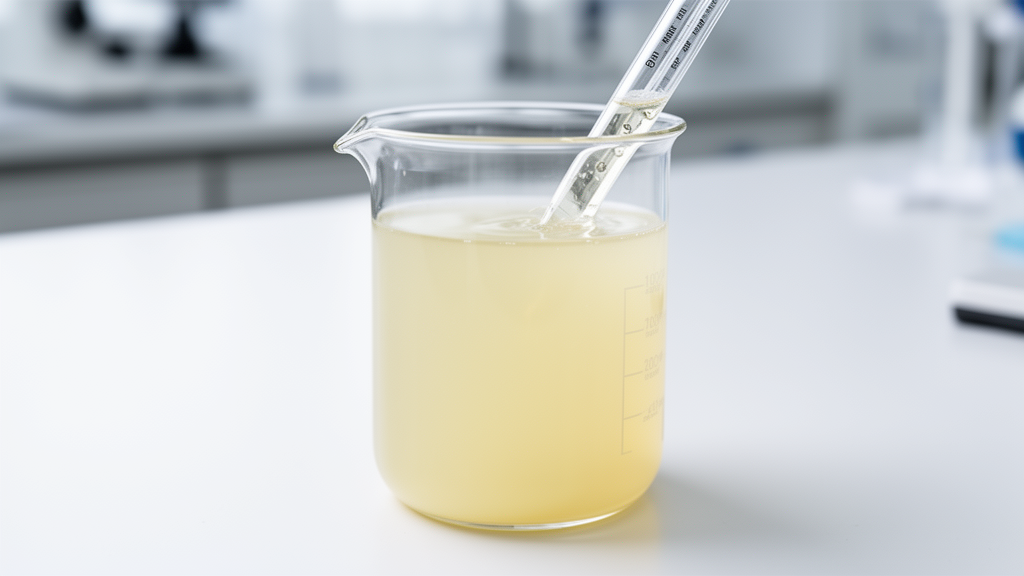
A short-duration bioconversion approach using selected microorganisms can rapidly eliminate key off-flavor compounds in pea protein isolate suspensions within six hours without requiring the addition of supplemental carbohydrates. In a laboratory investigation evaluating whole-cell microbial biocatalysis across ten qualified food-grade bacterial and yeast strains, researchers achieved marked reductions in aldehydes and other volatile defect molecules responsible for undesirable green and beany organoleptic notes. Unlike conventional fermentations of pea protein isolate that depend on external sugars to maintain microbial growth over extended periods reaching up to 72 hours, this targeted biocatalytic method deployed resting cells at high inoculation densities to harness endogenous intracellular enzymes directly, demonstrating an efficient biological pathway for upgrading pulse ingredients designed for plant-based food formulations.
The study addressed a fundamental technological and sensory bottleneck associated with pulses such as peas, lupins, and beans, which provide sustainable protein sources but routinely exhibit bitter, astringent, and grassy off-notes that impair consumer acceptance in dairy and meat alternatives. To establish the experimental substrate, a commercial pea protein isolate containing 80.7 percent protein, 8.3 percent lipid, and 2.8 percent sodium chloride was suspended in deionized water to formulate a 12 percent weight-by-weight suspension yielding 9.6 percent protein. To ensure that native biological contaminants were fully inactivated without relying on ongoing microbial growth, the formulated liquid was sterilized in an autoclave at 120 degrees Celsius for 20 minutes, homogenized at 15,000 revolutions per minute, and portioned into sterile flasks before microbial inoculation across controlled incubation temperatures ranging from 28 to 42 degrees Celsius.
Ten microbial strains possessing Qualified Presumption of Safety status were evaluated, representing lactic acid bacteria, cheese-ripening bacteria, and yeasts chosen for distinct aroma-modulating capabilities. Because the experimental strategy relied on the catalytic activity of intracellular enzymes within whole-cell systems rather than cellular proliferation, inoculation levels were deliberately adjusted inversely to cell volume to ensure comparable total intracellular biomass across taxa. Yeasts and filamentous yeast-like cells, which possess cell volumes two to three logarithmic units larger than typical bacteria, were introduced at lower cell counts, with Saccharomyces cerevisiae and Kluyveromyces lactis inoculated at 10 to the seventh power colony-forming units per milliliter and Geotrichum candidum strains at 10 to the fifth power. In contrast, most bacteria were inoculated at 10 to the eighth power colony-forming units per milliliter, except Lacticaseibacillus paracasei at 10 to the seventh power.
Microbiological tracking over the six-hour bioconversion window confirmed that viable cell populations remained stable across all strains, with minor count variations staying below one log colony-forming unit per milliliter. This population stability supported the premise that observed volatile shifts stemmed from resting-cell maintenance and intracellular enzymatic activity rather than active exponential growth. Furthermore, the suspension pH remained generally constant near neutral values between 6.59 and 7.18 for nine of the strains. The solitary exception occurred with Lactococcus lactis, which acidified the isolate suspension from an initial pH of 6.95 to 4.57 after six hours, a phenomenon hypothesized to stem from the metabolic breakdown of trace residual saccharides or cryoprotectants remaining from freeze-dried inoculum preparations.
Chemical profiling using dynamic headspace gas chromatography-mass spectrometry tracked volatile organic compound degradation and synthesis relative to sterilized control suspensions. In kinetic trials monitored over 24 hours, principal component analysis demonstrated that substantial volatile remodeling occurred rapidly, with a prominent reduction in off-flavor aldehydes evident after just three hours of treatment. By six hours, 17 of the 44 volatile defect compounds identified in the uninoculated control underwent statistically significant degradation across the microbial panel. Aldehydes strongly linked to harsh beany notes, including hexanal, pentanal, and nonanal, were swiftly degraded, a transformation consistent with the activity of microbial oxidoreductases such as alcohol dehydrogenases that utilize nicotinamide adenine dinucleotide cofactors to convert aldehydes into milder alcohol derivatives.
While aldehyde degradation occurred broadly across most tested strains, the overall efficacy of off-flavor mitigation varied by organism, with Kluyveromyces lactis, Saccharomyces cerevisiae, Brevibacterium linens, Lactiplantibacillus plantarum, and Geotrichum candidum strain B demonstrating the highest reduction rates. Calculations of odor activity values, which compare volatile concentrations against sensory detection thresholds, revealed that S. cerevisiae, K. lactis, and B. linens reduced initial values of pentanal, nonanal, and hexanal from elevated baseline levels of 25, 265, and 460 down to zero, rendering them chemically undetectable. In contrast, Streptococcus thermophilus and L. paracasei exhibited limited efficacy against hexanal, and S. thermophilus increased the odor activity values of pentanal and nonanal. The heterocyclic off-flavor 2-pentylfuran, which began at an odor activity value of 1400, was substantially decreased by top-performing strains but remained above its detection threshold, marking it as a resilient background contributor.
In tandem with volatile depletion, the bioconversion generated nearly 70 additional volatile organic compounds in a highly strain-specific manner, dividing the microorganisms into distinct functional clusters on hierarchical heatmaps. Yeasts K. lactis and S. cerevisiae formed a unique cluster characterized by intense synthesis of pleasant esters, such as isoamyl acetate, isobutyl acetate, and ethyl butyrate, mediated by alcohol acetyltransferase enzymes condensing acetyl-coenzyme A with higher alcohols. These yeasts also accumulated 3-methyl-1-butanol through the catabolism of native branched-chain amino acids via the Ehrlich pathway. In contrast, dairy-derived lactic acid bacteria L. lactis and S. thermophilus formed a second cluster dominated by buttery and dairy ketones, producing elevated quantities of acetoin, 2,3-pentanedione, and 2,3-butanedione through pyruvate-replenishing pathways utilizing residual citrate or endogenous amino acids such as asparagine.
Other microbial strains exhibited specialized or restricted biosynthetic activity within the pea protein environment. Lacticaseibacillus paracasei served as the sole producer of alkylpyrazines, including methylpyrazine and 2,6-dimethylpyrazine, which are heterocyclic compounds associated with roasted, cocoa, and nutty aromatic characteristics synthesized from amino acid precursors like threonine. Meanwhile, cheese-associated strains B. linens and G. candidum failed to synthesize expected volatile sulfur molecules like methanethiol and dimethyl disulfide, likely because pea protein isolate contains naturally low levels of sulfur-containing amino acids such as methionine and cysteine. Consequently, strains such as L. plantarum, Leuconostoc mesenteroides, and G. candidum generated few new volatile compounds, producing relatively neutral chemical profiles.
To evaluate whether these analytical shifts translated into human olfactory differences, an untrained panel of 28 consenting assessors evaluated the samples strictly orthonasally in compliance with institutional guidelines and data protection standards. A similarity evaluation demonstrated that suspensions bioconverted by S. cerevisiae, K. lactis, and B. linens diverged most significantly from the uninoculated control, whereas strains with minimal volatile production remained perceptually indistinguishable from baseline. In comparative descriptive profiling utilizing a deviation-from-reference scale from zero to ten anchored at five for the control, K. lactis, L. lactis, and Lc. paracasei achieved the largest significant reductions in beany notes, while green notes were significantly suppressed by K. lactis, S. cerevisiae, Lc. paracasei, and L. plantarum.
The sensory assessments confirmed targeted aroma modulation aligned with specific volatile profiles while illustrating the complex thresholds governing odor perception. Kluyveromyces lactis emerged as the most versatile single-strain biocatalyst, uniquely decreasing green and beany scores to 2.8 and 3.0 while simultaneously elevating fruity and cheesy descriptors to 6.5 and 6.8. Similarly, L. lactis and S. thermophilus significantly enhanced perceived lactic notes, scoring 6.9 and 7.0 in alignment with their synthesis of diacetyl and 2,3-pentanedione. Conversely, although Lc. paracasei synthesized alkylpyrazines, panel ratings for nutty attributes did not differ significantly from the control for any strain, indicating that pyrazine concentrations remained below detection thresholds in the protein suspension. Multiple factor analysis confirmed an overall structural correlation between the chemical and sensory datasets, indicated by a statistically significant RV coefficient of 0.61.
The authors highlighted several methodological considerations and technical boundaries when interpreting the findings of this laboratory model. Odor activity values were estimated using odor thresholds established in aqueous media because matrix-specific thresholds for pea protein isolates were unavailable, even though pulse proteins like vicilin and legumin bind aldehydes and other volatiles through hydrophobic forces, hydrogen bonding, and covalent Schiff base linkages. Furthermore, while the six-hour single-strain bioconversion established a proof-of-concept for producing neutral or customized aroma profiles without carbohydrate additives, the researchers noted that cell lysis techniques could be explored in future work to improve substrate accessibility to intracellular enzymes. The team emphasized that validating technological scalability and sensory performance requires incorporating these bioconverted protein isolates into complex formulated food products such as cheese and meat analogues.
Subject of Research: Rapid microbial bioconversion for flavor modulation and off-flavor reduction in pea protein isolates
Article Title: Off-flavor reduction of pea protein isolate using a short-duration bioconversion approach.
Article References: Costa, R., Peron, A.-C., Leforestier, A.-C., Bonnarme, P., Girardi-Piva, G., Dreux, A., Laroche, C., Saint-Eve, A., Landaud, S., & Garcia, R. (2026). Off-flavor reduction of pea protein isolate using a short-duration bioconversion approach.. Current Research in Food Science, Article 101620. https://doi.org/10.1016/j.crfs.2026.101620
Image Credits: AI Generated
DOI: 10.1016/j.crfs.2026.101620
Keywords: pea protein isolate, bioconversion, off-flavor reduction, food science, volatile organic compounds, Kluyveromyces lactis, Saccharomyces cerevisiae, Brevibacterium linens, Lactococcus lactis, Streptococcus thermophilus, hexanal, 2-pentylfuran, gas chromatography-mass spectrometry, sensory analysis, plant-based proteins, pulse proteins, esters
News Source: Alan Morgan. (November 17, 2026). Short Bioconversion Reduces Off-Flavors in Pea Protein Without Added Sugar. Scienmag.