In a scientific review published in the journal Immunity & Ageing, researchers Michiel G. H. Betjes and Nicolle H. R. Litjens examine the complex relationship between declining renal function and the premature aging of the adaptive T cell system. The authors report that the progressive loss of kidney function is consistently associated with premature immunological aging, a state defined by the accelerated loss of naïve T cells and the reciprocal expansion of pro-inflammatory memory T cells.
These structural and phenotypic changes within the adaptive T cell system contribute directly to several major uremia-related complications. Specifically, the authors document that these T cell alterations lead to an increased susceptibility to infection, poor vaccination responses, and a significantly heightened burden of cardiovascular disease among individuals experiencing reduced kidney function.
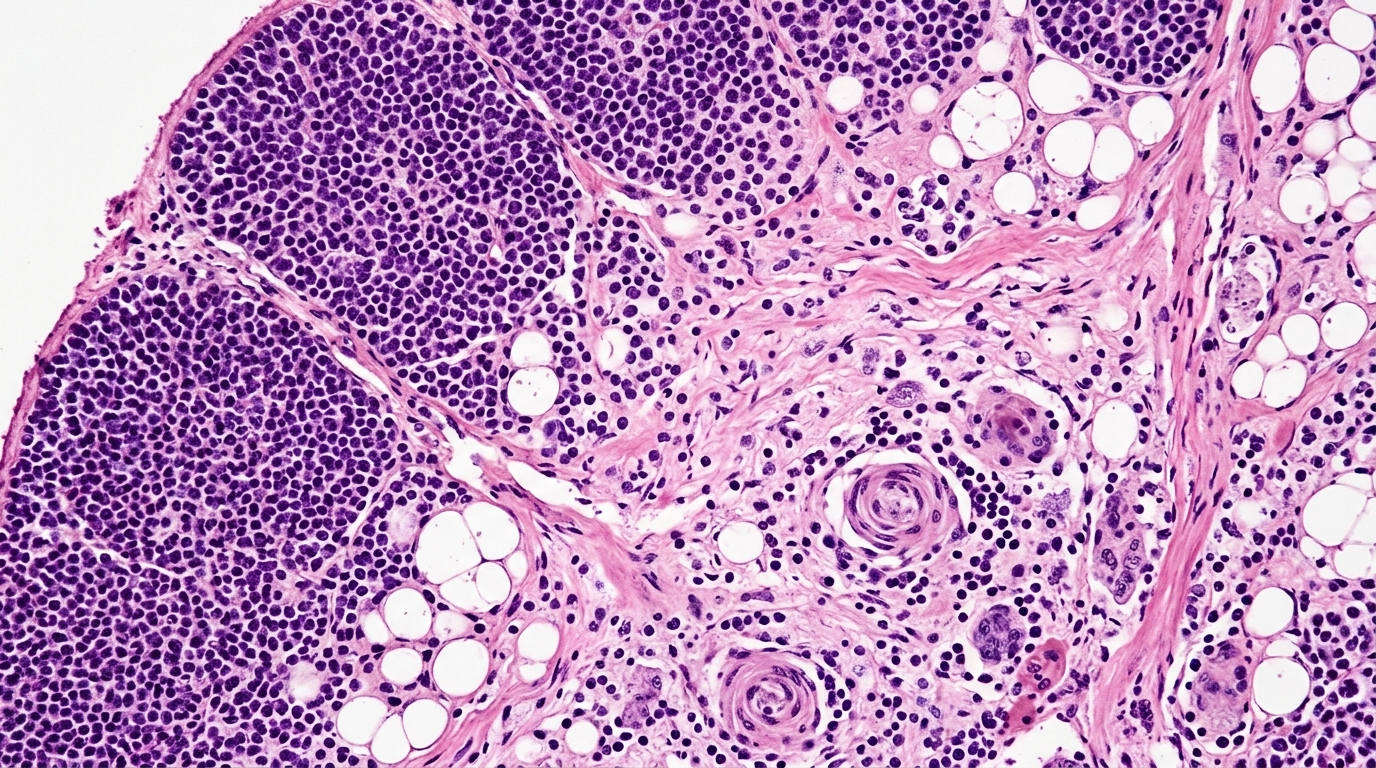
Central to understanding these immunological changes is the functional status of the thymus gland, commonly termed thymic health. The review notes that thymic health has recently become recognized as playing a pivotal role in driving core features of immunological aging. These key features include the progressive loss of naïve T cells, the disproportionate expansion of oligoclonal memory T cells, and a marked decrease in overall T cell receptor diversity.
Although general thymic function and health inevitably decline with increasing chronological age, the review stresses that functional thymic activity may still be present in elderly individuals. However, the degree of preserved function varies widely across the aging population. This substantial variation depends on several key biological and behavioral factors, including individual metabolic health, exercise habits, smoking status, and underlying kidney function.
A critical insight presented in the paper is the reciprocal and detrimental feedback loop operating between renal health and thymic function. The loss of kidney function leads to increased systemic inflammation and oxidative stress, which together exert a direct negative impact on thymic health. Diminished thymic health, in turn, can negatively affect the ongoing decline of kidney function.
The authors highlight two probable biological mechanisms responsible for driving this reciprocal feedback loop between the kidneys and the thymus.
Ultimately, the documented effects of progressing chronic kidney disease on thymic function offer a comprehensive framework to explain the clinical findings of premature immunological aging.
Subject of Research: Impact of kidney function loss on thymic health and T cell aging
Article Title: Thymic health and ageing of the T cell system; impact of loss of kidney function
Article References: Betjes, M. G. H., & Litjens, N. H. R. (2026). Thymic health and ageing of the T cell system; impact of loss of kidney function. Immunity & Ageing. https://doi.org/10.1186/s12979-026-00605-4
Image Credits: AI Generated
DOI: 10.1186/s12979-026-00605-4
Keywords: thymic health, thymus function, immunological aging, T cell aging, naive T cells, memory T cells, T cell receptor diversity, loss of kidney function, chronic kidney disease, uremia, inflammation, oxidative stress, cardiovascular disease, senescent kidney cells, atherosclerotic disease, infection susceptibility, vaccination response, oligoclonal memory T cells
News Source: Jerry Hayes. (November 17, 2026). Kidney Function Loss Linked to Premature T Cell Aging via Thymic Decline. Scienmag.