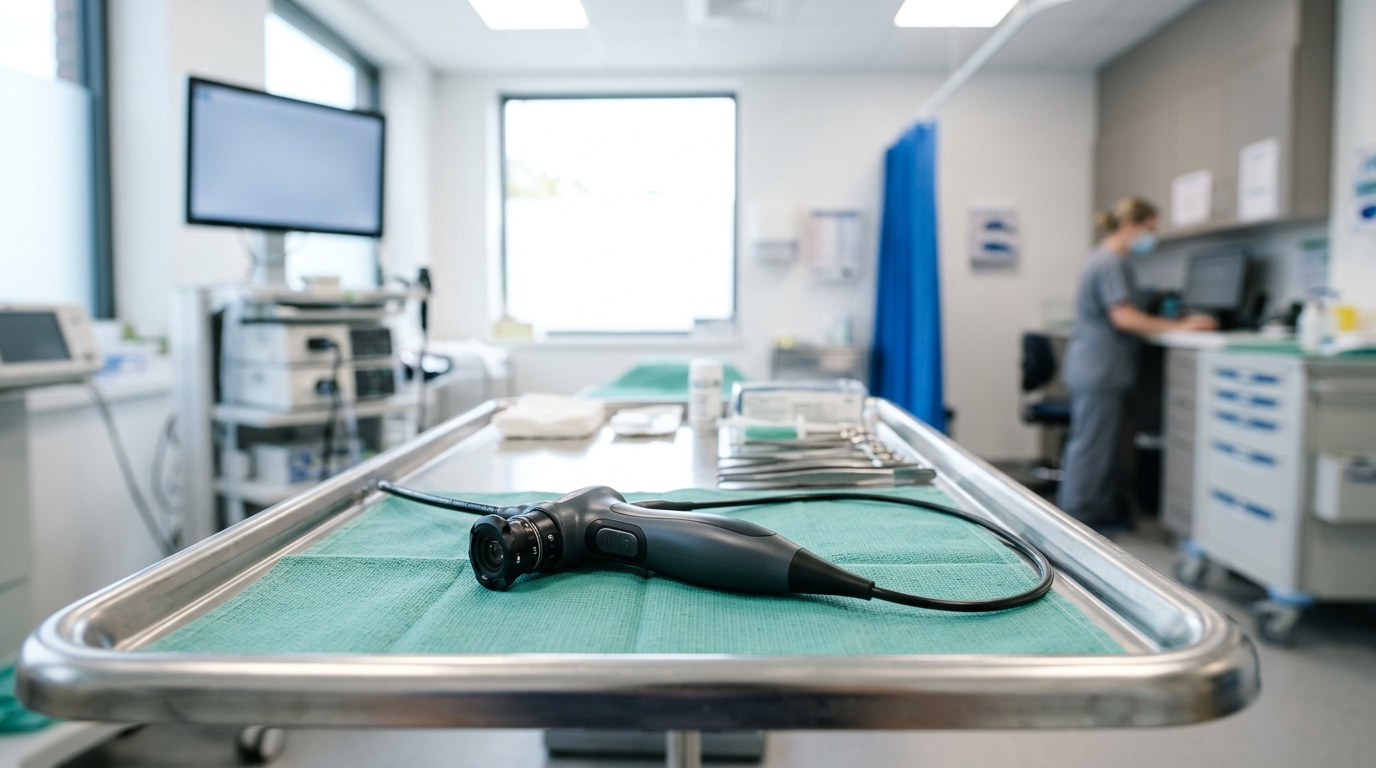
A recent study published in BMC Urology has revealed that disposable cystoscopes serve as a more cost-effective alternative to traditional reusable devices while simultaneously reducing water consumption. By examining both the financial outlays and the resource-intensive protocols required for device maintenance, the authors highlight the potential benefits of shifting toward disposable technology in routine diagnostic and therapeutic flexible cystoscopy procedures.
Flexible cystoscopy has long served as a cornerstone of urological care, yet the reliance on reusable instrumentation presents significant operational challenges. Historically, these devices have required rigorous cleaning and sterilization protocols between each use to ensure patient safety. However, the study identifies that these necessary processes contribute to substantial hospital waste and resource depletion, including the utilization of significant quantities of cleaning solutions and personal protective equipment. The research team specifically noted that reusable cystoscopes require approximately 60 liters of water and 121 minutes of processing time per cycle, reflecting an intensive demand on healthcare infrastructure that extends beyond the procedure itself.
When analyzing the economic burden of these systems, the findings suggest a clear advantage for disposable options. The investigation determined that while the acquisition price of a single disposable cystoscope ranges between $118 and $192, the cost per use for reusable models, such as those from Olympus and Storz, reaches $209.17. This figure accounts for both the initial purchase price and the recurring expenses associated with the complex reprocessing requirements.
The study highlights that the shift toward disposable devices directly addresses the environmental impact of urological diagnostics by curtailing the heavy water usage and chemical exposure associated with traditional reprocessing. The authors emphasize that these results underscore the importance of re-evaluating standard practices in light of the escalating carbon footprint of modern medicine, particularly as diagnostic volumes continue to rise for low-risk diseases. While these initial findings provide a strong justification for the economic and environmental efficiency of disposable options, the researchers conclude that further, longitudinal investigations are essential to fully characterize the broader implications of these cystoscope types across their entire lifecycle—from initial manufacturing to final disposal and reprocessing.
Subject of Research: Economic and environmental assessment of cystoscope types in urology
Article Title: Comparing the cost and environmental impact of reusable and disposable cystoscopes
Article References: Gressler, L. E., Polo, J., Bhojani, N., Elterman, D., & Chughtai, B. (2026). Comparing the cost and environmental impact of reusable and disposable cystoscopes. BMC Urology. https://doi.org/10.1186/s12894-026-02437-2
Image Credits: AI Generated
DOI: 10.1186/s12894-026-02437-2
Keywords: cystoscopy, urology, cost-effectiveness, environmental impact, medical waste, reprocessing, hospital sustainability, flexible cystoscope, sterilization, healthcare economics, resource management, disposable medical devices, clinical diagnostics, water consumption, surgical equipment
News Source: Ophelia Keating. (November 17, 2026). Disposable Cystoscopes Offer Higher Cost Efficiency and Lower Water Usage. Scienmag.