A recent multicentre, retrospective study conducted in Poland provides new real-world insights into the clinical application of polihexanide 0.8 mg/mL for the management of Acanthamoeba keratitis (AK), a rare and sight-threatening corneal infection. The study, which evaluated patient outcomes across two tertiary care centres, reported that 90.9% of the participating patients achieved disease resolution following treatment with the topical anti-amoebic therapy. This research adds to the growing body of evidence supporting the use of the only medication specifically approved for this condition, highlighting its potential efficacy in routine medical practice even in patients presenting with advanced disease stages and significant visual impairment prior to therapy initiation.
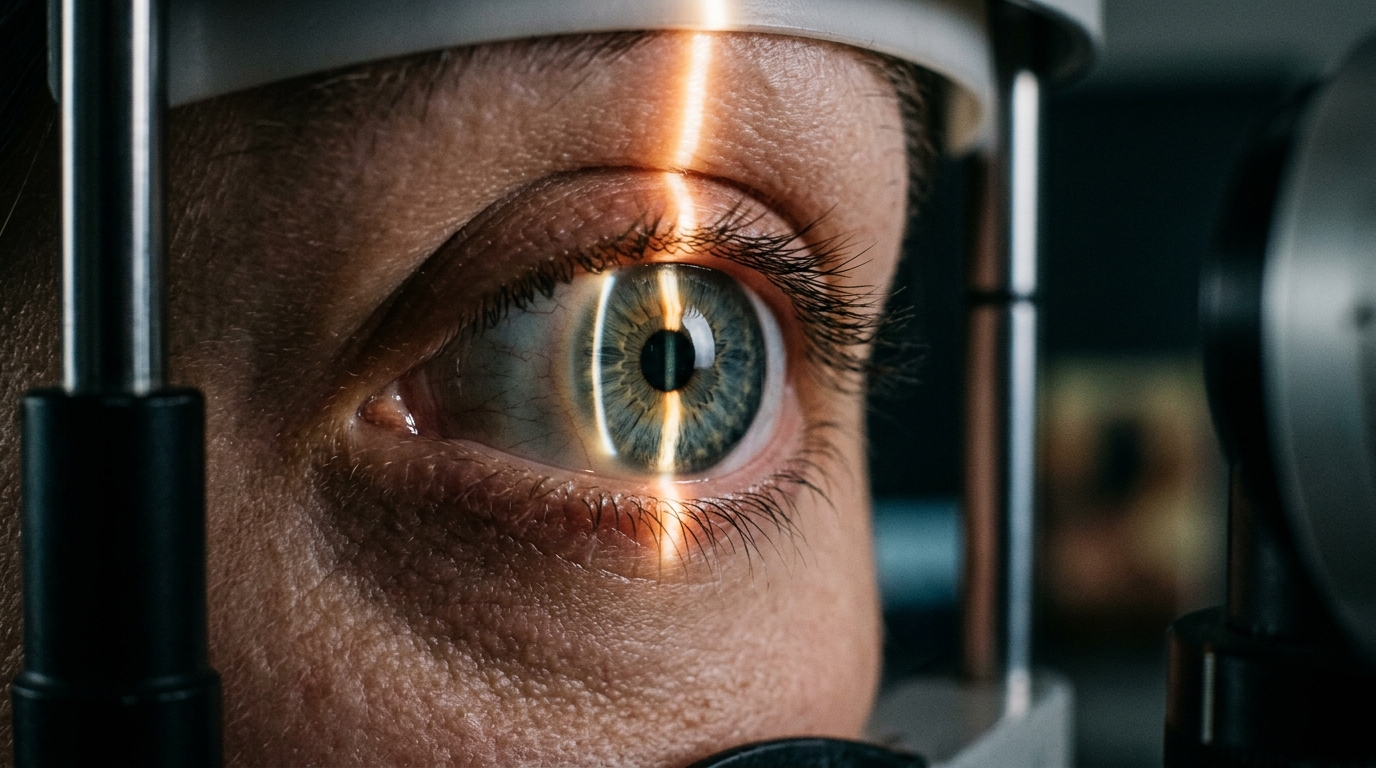
Acanthamoeba keratitis is a severe infection caused by Acanthamoeba spp., which are ubiquitous free-living amoebae found in soil and water sources. The infection is particularly notorious in the ophthalmological community for its variable clinical presentation, which often begins with non-specific symptoms such as eye redness and discomfort. As the disease progresses, it can manifest as photophobia, lacrimation, blurred vision, and intense pain. Diagnosis is notoriously difficult, often requiring a high index of clinical suspicion and advanced imaging techniques, as patients frequently experience significant delays before a definitive diagnosis is reached and appropriate treatment is administered.
The study utilized in vivo confocal microscopy (IVCM) for diagnosis, which allowed clinicians to scan the corneal tissue at high resolution to identify Acanthamoeba cysts and trophozoites at various depths. The diagnostic criteria required the detection of three or more Acanthamoeba organisms across at least two different IVCM scans. This non-invasive imaging modality offers a significant advantage in speed and sensitivity compared to traditional microbiological methods like culture or polymerase chain reaction (PCR), which may yield negative results despite the presence of the infection. However, the researchers noted that the efficacy of IVCM in clinical practice is dependent on the availability of specialized infrastructure and the extensive training of the operator to accurately interpret findings such as the characteristic ‘target’ or ‘signet ring’ signs associated with cystic forms of the amoebae.
Polihexanide 0.8 mg/mL, a synthetic biguanide polymer, represents a significant development in the management of AK. Unlike many off-label treatments used historically, such as varying combinations of biguanides, diamidines, antibiotics, and corticosteroids, polihexanide was specifically developed and authorized in Europe in 2024 for this indication. Its mechanism of action involves disrupting the cell membranes of both trophozoites and cysts while binding to the organism’s DNA. The manufacturer-recommended regimen consists of an intensive 19-day initial phase involving frequent topical administration, followed by a continuation phase of four-times-daily dosing. In the Polish study, physicians adhered to these guidelines while maintaining the flexibility to adjust the treatment based on individual clinical presentations and patient needs.
The retrospective analysis included a cohort of 11 patients aged 16 to 54 years, all of whom received care at the Railway Hospital Medical University of Silesia in Katowice or the Pomeranian Medical University in Szczecin between September 2022 and June 2025. At the time of presentation, the disease was classified as relatively advanced, with 81.8% of patients falling into stage II or III of the Robaei et al. classification system. Furthermore, 90.9% of patients exhibited poor best-corrected visual acuity (BCVA) of 0.3 or lower before starting polihexanide. A significant number of participants had undergone prior failed therapies, including antibiotics and corticosteroids, with an average delay of 93.7 days between the onset of symptoms and the initiation of polihexanide 0.8 mg/mL treatment.
Despite the advanced stage of infection upon enrollment, the treatment outcomes were largely positive. Ten out of the 11 patients (90.9%) achieved clinical disease resolution, which was defined as the absence of active infection or inflammation signs after epithelial closure and the confirmation of resolution via IVCM findings, such as the recovery of corneal nerves and the absence of cyst-like structures. Among the resolved cases, the mean treatment duration with polihexanide 0.8 mg/mL was 106.4 days, and patients experienced a notable improvement in BCVA by the end of their follow-up. The remaining patient was still undergoing active treatment at the time of the data compilation. No safety events of clinical relevance were reported, indicating that the topical formulation was well-tolerated throughout the management process.
The study highlights the complexities of managing AK in a real-world setting, where patients often require multifaceted interventions. Concurrent with polihexanide therapy, most patients in the cohort received additional pharmacological support, such as antibiotics or corticosteroids, and several required surgical procedures, including therapeutic keratoplasties or amniotic membrane transplants. While these concurrent interventions make it impossible to isolate the effects of polihexanide alone, the researchers emphasized that these cases provide a pragmatic look at clinical practice, where the primary goal is to save the eye and improve vision. The observation that patients receiving prior corticosteroids did not necessarily suffer from treatment failure suggests that aggressive and timely intervention with an anti-amoebic agent can potentially mitigate the known risks associated with corticosteroid use in the context of AK.
The researchers also compared their results with previous data, including the pivotal randomized ODAK clinical trial, which underpinned the marketing authorization of polihexanide. The 90.9% resolution rate observed in this real-world study is consistent with findings reported in other observational research, which have placed resolution rates between 75% and 100%. While the sample size of the current study is small, the consistent outcomes across different clinical settings—including the ODAK trial and this Polish cohort—provide growing evidence that the drug performs reliably when administered in accordance with current protocols. Furthermore, the absence of relapses during a three-month post-discontinuation follow-up period serves as a positive indicator of the treatment’s sustained effectiveness.
However, the study authors acknowledged several inherent limitations. The primary caveat is the small number of participants, which necessitates caution when generalizing these findings to a broader population. Additionally, the reliance on IVCM as the sole diagnostic tool, without microbiological confirmation through PCR or culture, is a methodological constraint that reflects the real-world priorities of rapid treatment initiation. While the operators were highly experienced, the study reflects a reality where institutional diagnostic capacities dictate the diagnostic approach.
In conclusion, the findings from this Polish study provide valuable real-world evidence for the use of polihexanide 0.8 mg/mL as an effective therapeutic option for AK management in routine practice. By achieving high resolution rates and visual improvement in patients with advanced stages of the disease, the treatment demonstrates its clinical utility beyond the controlled environment of randomized clinical trials. For ophthalmologists across Europe and globally, these data offer significant practical insights into the deployment of this specialized medicine, supporting the importance of early diagnosis, expert IVCM imaging, and a standardized approach to treatment to maximize patient outcomes in the face of this persistent and devastating corneal infection.
Subject of Research: Real-world efficacy of polihexanide 0.8 mg/mL for managing Acanthamoeba keratitis in Polish clinical practice.
Article Title: Polihexanide 0.8 mg/mL to Manage Acanthamoeba Keratitis in Clinical Practice: A Multicentre, Retrospective Study in Poland
Article References: Prus-Ludwig, A., Machalińska, A., Kokot, J., Kieruzel-Radoń, P., van der Laan, R., Wylęgała, A., & Wylęgała, E. (2026). Polihexanide 0.8 mg/mL to Manage Acanthamoeba Keratitis in Clinical Practice: A Multicentre, Retrospective Study in Poland. Ophthalmology and Therapy. https://doi.org/10.1007/s40123-026-01513-y
Image Credits: AI Generated
DOI: 10.1007/s40123-026-01513-y
Keywords: Acanthamoeba keratitis, Polihexanide, Ophthalmology, Corneal infection, Retrospective study, Clinical research, In vivo confocal microscopy, Poland, Visual acuity, Akantior, Infectious eye disease, Anti-amoebic therapy, Real-world evidence, Public health, Corneal health, Medical therapy
News Source: Ophelia Keating. (November 17, 2026). Polihexanide 0.8 mg/mL Effectively Manages Acanthamoeba Keratitis in Polish Clinical Practice. Scienmag.