• HOME
  • NEWS
  • EXPLORE
    • CAREER
      • Companies
      • Jobs
    • EVENTS
    • iGEM
      • News
      • Team
    • PHOTOS
    • VIDEO
    • WIKI
  • BLOG
  • COMMUNITY
    • FACEBOOK
    • INSTAGRAM
    • TWITTER
Wednesday, November 18, 2026
BIOENGINEER.ORG
No Result
View All Result
  • Login
  • HOME
  • NEWS
  • EXPLORE
    • CAREER
      • Companies
      • Jobs
        • Lecturer
        • PhD Studentship
        • Postdoc
        • Research Assistant
    • EVENTS
    • iGEM
      • News
      • Team
    • PHOTOS
    • VIDEO
    • WIKI
  • BLOG
  • COMMUNITY
    • FACEBOOK
    • INSTAGRAM
    • TWITTER
No Result
View All Result
Bioengineer.org
No Result
View All Result
Home NEWS Science News Biology

Rare PLCD1 Gene Mutation Linked to Recurrent Spontaneous Abortion Risk

by
November 17, 2026
in Biology
Reading Time: 2 mins read
0
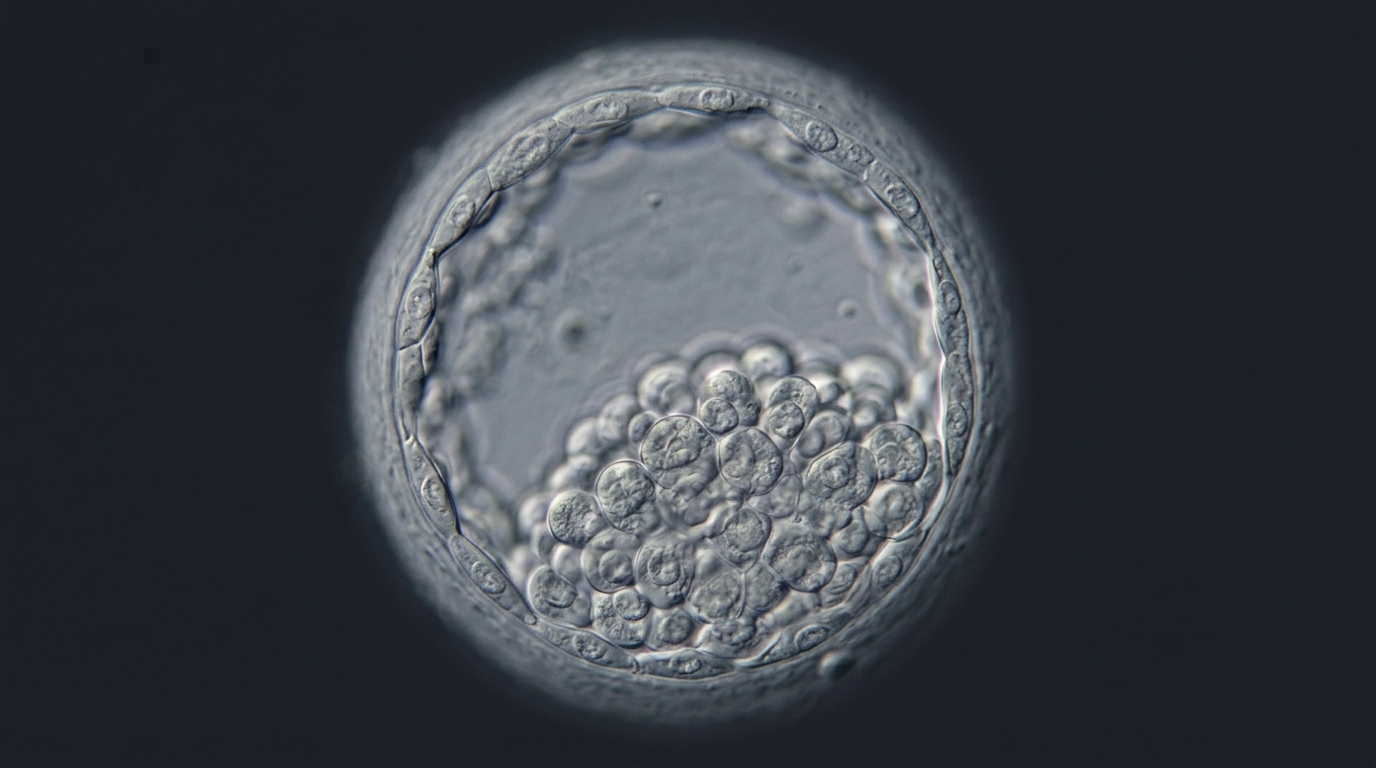
Rare PLCD1 Gene Mutation Linked to Recurrent Spontaneous Abortion Risk

Rare PLCD1 Gene Mutation Linked to Recurrent Spontaneous Abortion Risk

Share on FacebookShare on TwitterShare on LinkedinShare on RedditShare on Telegram

A newly identified rare missense variant in the PLCD1 gene has been found to be associated with recurrent spontaneous abortion and impairs cell migration and invasion in laboratory models, according to published research. Investigators identified the novel heterozygous mutation during an evaluation of genetic factors that may contribute to the development of this pregnancy complication.

Recurrent spontaneous abortion is recognized as a common clinical complication occurring during pregnancy that seriously affects the physical and mental health of women of reproductive age. Despite its significant clinical impact, the underlying etiology and precise pathogenesis responsible for recurrent pregnancy loss have not yet been fully clarified.

In their genetic screening of clinical participants, the researchers identified a novel rare heterozygous missense variant in PLCD1, classified as p.His755Tyr and c.2263 C > T. This genetic variation was detected in 2 out of 325 patients diagnosed with recurrent spontaneous abortion, corresponding to an incidence rate of 0.6 percent within the examined cohort.

To assess whether the variation was present in unaffected individuals or wider populations, the research team analyzed genetic records and a healthy comparison group.

The investigators used Sanger sequencing to verify the presence of the heterozygous PLCD1 p.H755Y mutation in the confirmed clinical samples.

To investigate the biological consequences of the mutation at the cellular level, the team constructed both wild-type and mutant-type plasmids of PLCD1 and transfected them into cultured HTR8/SVneo trophoblast cells. Western blot testing was then performed on the transfected cell lines to verify that significant gene overexpression was successfully achieved in the HTR8/SVneo cells across the experimental conditions.

Following confirmation of plasmid expression, the researchers conducted a comprehensive series of functional assays using the HTR8/SVneo cell model. These laboratory procedures included Transwell migration assays, Matrigel-coated Transwell invasion assays, and dedicated cell adhesion experiments performed across cells transfected with PLCD1 mutant-type, wild-type, and control plasmids.

The functional experiments demonstrated that the rare PLCD1 variant produced marked inhibitory effects on cellular activities. Specifically, the mutation significantly inhibited HTR8/SVneo cell migration, cellular invasion, and cell adhesion, while also suppressing the expression of MMP9 at a statistically significant level (p < 0.05).

Based on these findings, the authors reported that they have identified, for the first time, a rare heterozygous variant of PLCD1 that is significantly enriched in patients diagnosed with recurrent spontaneous abortion.

Subject of Research: Genetic association of a rare PLCD1 variant with recurrent spontaneous abortion

Article Title: A novel rare missense variant in PLCD1 is associated with recurrent spontaneous abortion and inhibits cell migration and invasion

Article References: Liu, F., Zou, L., Huang, T., Ye, Q., Ding, X., Kang, Y., Zhang, X., Zou, Y., & Cui, Y. (2026). A novel rare missense variant in PLCD1 is associated with recurrent spontaneous abortion and inhibits cell migration and invasion. Molecular Cytogenetics. https://doi.org/10.1186/s13039-026-00779-y

Image Credits: AI Generated

DOI: 10.1186/s13039-026-00779-y

Keywords: PLCD1, recurrent spontaneous abortion, missense variant, HTR8/SVneo cells, trophoblast migration, cell invasion, cell adhesion, MMP9 expression, p.His755Tyr, c.2263 C > T, Sanger sequencing, in silico analysis, Han Chinese cohort, heterozygous mutation, Western blot, pregnancy complications, Transwell invasion assay

News Source: Juliet Wilcox. (November 17, 2026). Rare PLCD1 Gene Mutation Linked to Recurrent Spontaneous Abortion Risk. Scienmag.


Tags: c.2263 C > TCell Adhesioncell invasionHan Chinese cohortheterozygous mutationHTR8/SVneo cellsin silico analysismissense variantMMP9 expressionp.His755TyrPLCD1pregnancy complicationsrecurrent spontaneous abortionSanger sequencingtranswell invasion assaytrophoblast migrationwestern blot
Share12Tweet7Share2ShareShareShare1

Related Posts

Viral Immune Evasion Divergence Limits Readout Translation Across Herpes Animal Models

Viral Immune Evasion Divergence Limits Readout Translation Across Herpes Animal Models

November 18, 2026
Chimpanzee raspberry calls provide first evidence of learned vocal conventions in apes

Chimpanzee raspberry calls provide first evidence of learned vocal conventions in apes

November 18, 2026

BAFF Promotes B-Cell Expansion by Suppressing AMPK-Dependent Autophagy Signaling

November 18, 2026

Yili Horse Fat Depots Show Distinct Cellular and Molecular Profiles

November 18, 2026

POPULAR NEWS

  • Novel Benzimidazole Schiff Bases Outperform Acarbose in Lab Glucosidase Tests

    Novel Benzimidazole Schiff Bases Outperform Acarbose in Lab Glucosidase Tests

    29 shares
    Share 12 Tweet 7
  • Latent Class Analysis Identifies Five Distinct Lifestyle and Metabolic Subtypes of Insulin Resistance

    29 shares
    Share 12 Tweet 7
  • Screening Reveals Developmental Delays in Many Pediatric Liver Transplant Recipients

    29 shares
    Share 12 Tweet 7
  • Randomized Balance Training Alters Movement Coordination Without Boosting Young Adult Stability

    29 shares
    Share 12 Tweet 7

About

We bring you the latest biotechnology news from best research centers and universities around the world. Check our website.

Follow us

Recent News

Korean Medicine Experts Establish Twenty-Eight Health Systems Science Competencies

Review Evaluates Senescent Macrophages and Cellular Cross-Talk in Ageing Bone Loss

DS PrimeTaper Implants Achieve 95.1 Percent Survival in Private Practice Cohort

Subscribe to Blog via Email

Enter your email address to subscribe to this blog and receive notifications of new posts by email.

Join 88 other subscribers
  • Contact Us

Bioengineer.org © Copyright 2023 All Rights Reserved.

Welcome Back!

Login to your account below

Forgotten Password?

Retrieve your password

Please enter your username or email address to reset your password.

Log In
No Result
View All Result
  • Homepages
    • Home Page 1
    • Home Page 2
  • News
  • National
  • Business
  • Health
  • Lifestyle
  • Science

Bioengineer.org © Copyright 2023 All Rights Reserved.