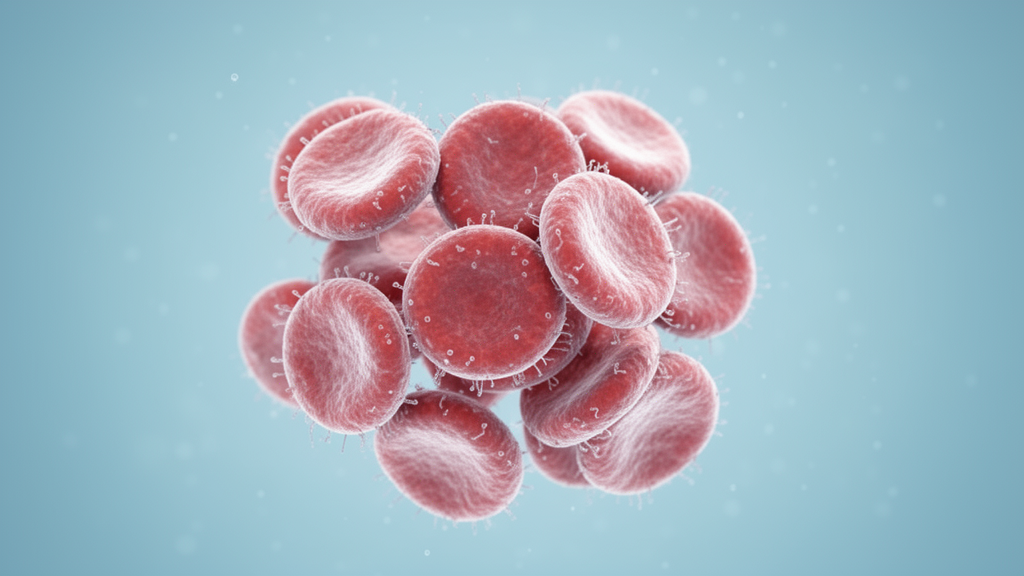
Canine platelets can be processed, refrigerated, and stored for up to three weeks while remaining effective at treating or preventing life-threatening bleeding complications in clinical canine patients, according to a study from Washington State University’s College of Veterinary Medicine. Published in the Journal of Veterinary Internal Medicine, the research presents the first clinical evidence that cold-stored platelet concentrates can be used successfully in dogs, significantly extending storage limits beyond the few days typically achieved with traditional methods.
Veterinarians frequently experience limited access to platelets, which serve as one of the most effective interventions for controlling severe bleeding. Transfusions represent one of the few treatment options for dogs suffering from acute hemorrhage or those facing elevated risks of uncontrolled bleeding linked to trauma, cancer, severe inflammation, and immune-mediated thrombocytopenia. In critical settings, an inability to obtain viable platelets has historically left clinicians with virtually no therapies to stop fatal bleeding.
For decades, veterinary transfusion practices have relied on the assumption that platelets lose functional effectiveness upon refrigeration. Consequently, blood banks have depended on room-temperature platelet products that require continuous mechanical agitation and remain viable for only a handful of days.
The research was led by Dr. Jillian Haines, a small animal internal medicine veterinarian and director of the WSU Veterinary Teaching Hospital’s blood bank. Haines had previously investigated platelet refrigeration for years, establishing through earlier laboratory research that canine platelets could retain functionality for up to three weeks in cold storage. However, because those preparations had never been administered to clinical veterinary patients, their therapeutic effectiveness in managing active bleeding remained unknown.
To address this gap, investigators evaluated cold-stored platelet concentrates in 24 dogs treated at the WSU Veterinary Teaching Hospital. The refrigerated platelets were administered to control active hemorrhage, support necessary diagnostic and surgical procedures carrying substantial bleeding risks, or manage life-threatening bleeding episodes. Across the cohort, platelet administration improved bleeding or successfully prevented hemorrhagic complications in 70% of cases, while documenting zero adverse transfusion reactions.
Beyond providing clinical hemostatic efficacy and dramatically extending shelf life, cold-stored platelets present several practical advantages over conventional room-temperature units. According to Haines, refrigerated platelets are less susceptible to harmful bacterial proliferation, do not require constant agitation during storage, and can be shipped easily between facilities. Because the preparation protocol involves only minor modifications to standard blood-processing techniques, veterinary hospitals and blood banks can integrate the method into established workflows.
The WSU Veterinary Teaching Hospital now maintains a routine inventory of cold-stored platelets at its blood bank, and Haines has begun training personnel and veterinarians from external institutions to implement the protocol. Moving forward, researchers intend to examine optimal patient-specific dosing strategies, establish refined metrics to evaluate individual clinical responses, and investigate whether canine platelets retain therapeutic functionality beyond three weeks of refrigerated storage.
Dr. Haines emphasized the profound clinical necessity of reliable transfusion products when treating critically ill animals. In describing the historical lack of accessible interventions, she noted that veterinary teams have frequently watched patients succumb to severe hemorrhagic complications simply because no viable platelet treatments were readily available at the time of crisis. Having an effective, refrigerated product transforms clinical options, taking emergency care from a situation with virtually no practical alternatives to possessing a dependable therapeutic intervention capable of stabilizing dogs facing imminent hemorrhage.
Reflecting on the clinical significance of the research, Dr. Haines observed that while platelet transfusions are not needed on a daily basis for every patient, they represent an indispensable, lifesaving resource during acute hemorrhagic emergencies when no alternative therapies exist.
Subject of Research: Clinical effectiveness and extended shelf life of cold-stored canine platelet transfusions
Article Title: WSU research could save dogs facing life-threatening bleeding
Article References: WSU research could save dogs facing life-threatening bleeding. Original publication (Bibliographic details unavailable.)
Image Credits: AI Generated
DOI: Not provided
Keywords: canine platelets, platelet transfusion, cold-stored platelets, veterinary transfusion medicine, Washington State University, Journal of Veterinary Internal Medicine, canine hemostasis, thrombocytopenia in dogs, immune-mediated thrombocytopenia, veterinary blood banking, blood preservation, canine hemorrhage, bacterial contamination risk, transfusion reactions, Jillian Haines, WSU Veterinary Teaching Hospital, platelet shelf life
News Source: William Thompson. (November 15, 2026). Refrigerated Canine Platelets Effectively Treat Bleeding for Three Weeks, Study Finds. Scienmag.