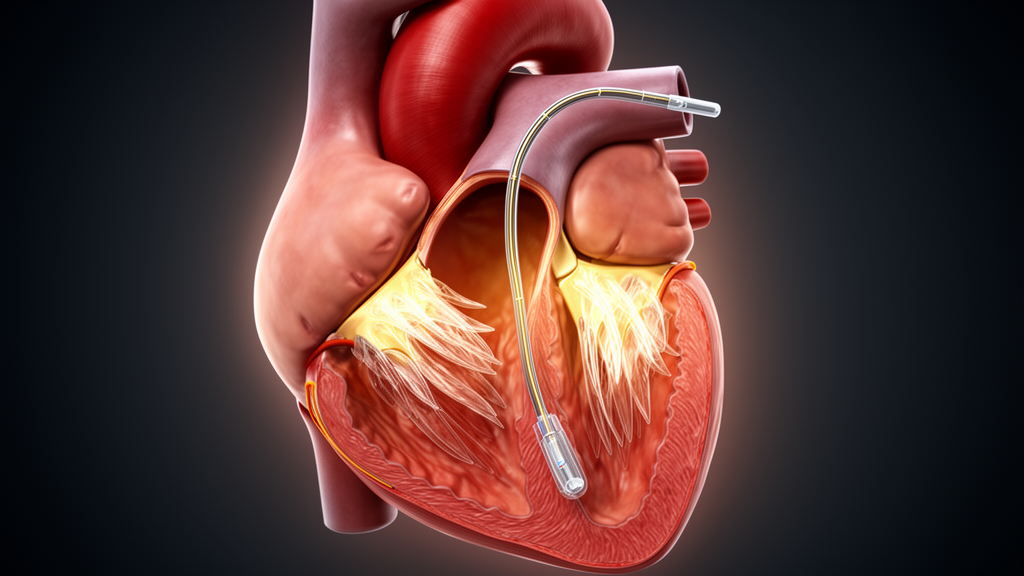
The retrospective analysis revealed that while more severe baseline valve leakage is linked to higher rates of functional deterioration and hospitalization, patients presenting with moderate or severe regurgitation frequently experience measurable valvular improvement after device placement.
Conducted at Fuwai Yunnan Cardiovascular Hospital, the retrospective study included 767 patients with bradyarrhythmia who underwent permanent pacemaker implantation between January 2020 and October 2024. Investigators sought to resolve two interrelated clinical questions: identifying the baseline physiological and clinical determinants that predispose patients to higher grades of valve insufficiency before surgery, and determining how initial tricuspid regurgitation severity modulates valve trajectory and clinical outcomes during postoperative recovery.
To establish baseline risk profiles, researchers stratified the full 767-patient cohort into four discrete categories based on preprocedural echocardiographic measurements: individuals with no detectable tricuspid regurgitation, those with mild insufficiency, those with moderate regurgitation, and individuals exhibiting severe regurgitant flow. The investigative team systematically compiled baseline clinical data, laboratory indicators, and comprehensive echocardiographic parameters across all groups. Univariate analytical methods were initially applied to detect intergroup disparities, followed by ordinal logistic regression modeling to isolate independent clinical predictors tied to preprocedural regurgitation severity.
Multivariable regression identified several prominent independent risk factors that significantly elevated the likelihood of presenting with higher-grade preprocedural tricuspid regurgitation. Underlying pulmonary hypertension emerged as the strongest independent contributor, associated with an odds ratio of 6.586. Persistent atrial fibrillation represented another powerful predictor, yielding an odds ratio of 4.958. Pre-existing heart failure and female sex were also independently linked to advanced regurgitation severity, demonstrating odds ratios of 1.837 and 1.573, respectively, with all risk associations achieving statistical significance at p values below 0.05.
Conversely, the multivariable model identified higher body mass index as an independent protective factor against severe preprocedural valve dysfunction, showing an odds ratio of 0.920 with statistical significance.
Longitudinal outcomes were assessed in a dedicated subcohort of 501 patients who completed at least two months of formal postoperative follow-up, reaching a median evaluation period of 16 months after pacemaker implantation. Binary logistic regression analysis revealed that elevated preprocedural tricuspid regurgitation severity correlated directly with worse long-term clinical prognosis. Specifically, patients with greater initial regurgitation experienced significantly more frequent postprocedural hospital readmissions, reflected by a p value of 0.007, alongside a sharply increased risk of post-implantation cardiac function deterioration, with statistical significance surpassing a p value of 0.001.
When compared directly against patients who entered surgery without detectable regurgitation, individuals presenting with moderate or severe baseline tricuspid regurgitation experienced a significantly lower risk of postoperative valve worsening and achieved a markedly higher rate of tricuspid regurgitation improvement. Further subgroup evaluation showed that this postoperative valvular recovery was especially pronounced among younger patients.
The study authors concluded that preprocedural tricuspid regurgitation severity in bradyarrhythmia patients is shaped by a complex interplay of patient sex, heart failure status, atrial fibrillation chronicity, and pulmonary arterial pressures. Although greater preprocedural regurgitation severity is associated with worse postprocedural cardiac functional outcomes, cardiac pacing does not exert exclusively detrimental effects on tricuspid regurgitation.
Subject of Research: Preprocedural tricuspid regurgitation risk factors and post-implantation outcomes in bradyarrhythmia patients
Article Title: Evaluation of risk factors for tricuspid regurgitation prior to cardiac pacemaker
Article References: Wang, S., Guo, Q., Li, L., Li, G., Zhou, Y., Zhou, Y., Niu, G., & Guo, Y. (2026). Evaluation of risk factors for tricuspid regurgitation prior to cardiac pacemaker. Frontiers in Cardiovascular Medicine, 13, Article 1690362. https://doi.org/10.3389/fcvm.2026.1690362
Image Credits: AI Generated
DOI: 10.3389/fcvm.2026.1690362
Keywords: tricuspid regurgitation, cardiac pacemaker implantation, bradyarrhythmia, permanent pacemaker, pulmonary hypertension, persistent atrial fibrillation, heart failure, cardiac pacing, echocardiography, rehospitalization risk, cardiac function deterioration, body mass index, valve regurgitation, Fuwai Yunnan Cardiovascular Hospital, ordinal logistic regression, postprocedural outcomes, hemodynamic remodeling
News Source: Ophelia Keating. (November 15, 2026). Preprocedural Tricuspid Regurgitation Severity Predicts Heart Function Risks After Pacemaker Implantation. Scienmag.