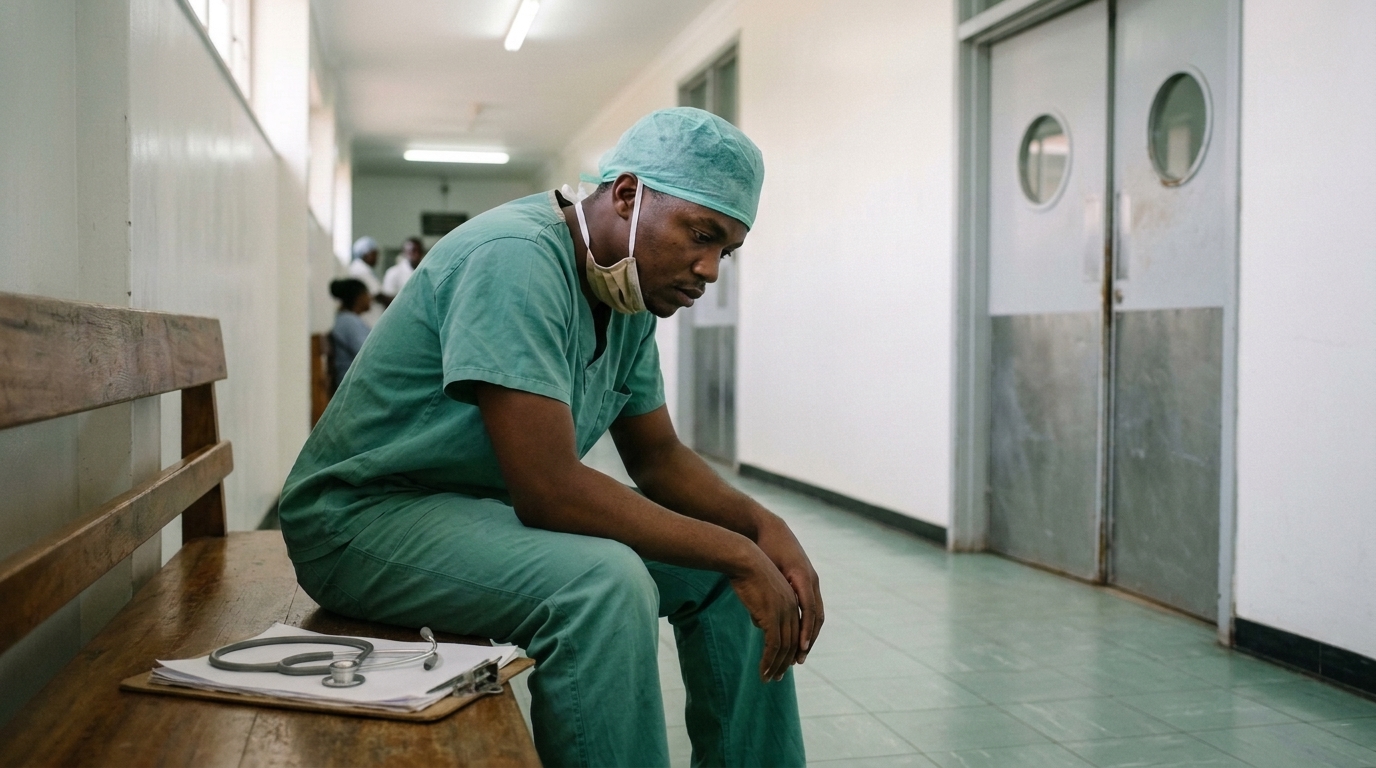
Surgical trainee wellness across Sub-Saharan Africa faces pervasive structural strains, yet published medical literature contains no fully implemented and evaluated wellness interventions designed for these training environments, according to a narrative review published in Global Surgical Education. Researchers synthesizing regional evidence observed that while trainee well-being is increasingly recognized as vital to training quality, surgical workforce retention, and patient safety, the vast majority of existing resident wellness literature originates from high-income countries. To address this geographic evidence disparity, the authors evaluated published challenges and proposed remedies across regional training programs alongside a pilot resident-led wellness initiative established at a tertiary surgical training institution in Uganda.
The investigation employed a focused narrative review methodology encompassing both peer-reviewed and grey literature retrieved from PubMed, Google Scholar, and African Journals Online, supplemented by hand-searching and reference list screening. The investigators structured their inquiry around a Population, Concept, and Context framework specifically targeting postgraduate surgical trainees, wellness-related challenges, proposed support strategies, and Sub-Saharan African surgical training environments. Findings from the eligible publications were analyzed and synthesized thematically to map systemic issues across the region.
From the literature searches, only seven sources met the formal inclusion criteria for the review, illustrating a marked scarcity of published empirical data on regional trainee welfare. Six of the eligible sources originated from Nigeria and one from Tanzania, with the gathered evidence predominantly comprising cross-sectional surveys, institutional audits, qualitative studies, and a single academic dissertation. Crucially, none of the identified studies documented an intervention that had progressed to comprehensive operational implementation and objective formal evaluation.
The thematic synthesis identified widespread systemic obstacles that compromise the health and professional functioning of surgical residents in the surveyed institutions. Prominent among these recurring difficulties were severe work overload, excessively prolonged duty hours, persistent fatigue, and chronic sleep deprivation. Trainees also reported compromised personal welfare, marked curriculum pressures, and a harsh learning environment, alongside critical deficits in supervision and structured mentorship.
Proposed remediation strategies documented in the literature clustered across four distinct operational tiers: trainee, program, institutional, and policy levels. At the individual trainee and departmental levels, recommendations emphasized establishing peer-support networks, structured clinical debriefing sessions, formal mentorship arrangements, and closer faculty supervision. At broader institutional and policy levels, proposals called for systematic duty-hour reviews, mandatory post-call relief, improved baseline resident welfare support, and the explicit integration of enforceable wellness standards into surgical training accreditation guidelines.
To demonstrate how such recommendations can function under resource constraints, the authors outlined a pilot resident-led initiative at a tertiary surgical training program in Uganda that was designed through iterative Plan-Do-Study-Act cycles following an anonymous baseline needs assessment. The Ugandan program operationalized low-cost interventions by combining academic community-building, peer-support activities, direct mentorship access, and dedicated shared resident wellness spaces. The authors concluded that surgical trainee wellness must be addressed as a structural and educational-system issue rather than treated solely as an individual resilience challenge, urging future researchers to advance past exploratory needs assessments toward prospective evaluations of locally led, sustainable wellness models.
Subject of Research: Surgical trainee wellness challenges and institutional interventions in Sub-Saharan Africa
Article Title: Fostering surgical trainee wellness in selected Sub-Saharan African settings: a focused narrative review and institutional experience from Uganda
Article References: Kasagga, B., Kateregga, A., Watima, S., Amuge, N. P., & Elobu, E. (2026). Fostering surgical trainee wellness in selected Sub-Saharan African settings: a focused narrative review and institutional experience from Uganda. Global Surgical Education – Journal of the Association for Surgical Education, 5(1), Article 218. https://doi.org/10.1007/s44186-026-00634-z
Image Credits: AI Generated
DOI: 10.1007/s44186-026-00634-z
Keywords: surgical training, trainee wellness, Sub-Saharan Africa, Uganda, Nigeria, Tanzania, postgraduate medical education, workforce retention, patient safety, resident welfare, prolonged duty hours, sleep deprivation, structured mentorship, second-victim distress, Plan-Do-Study-Act cycles, peer support, post-call relief, training accreditation
News Source: Courtney Benton. (November 14, 2026). African Surgical Trainee Wellness Lacks Evaluated Interventions Despite Severe Structural Pressures. Scienmag.