• HOME
  • NEWS
  • EXPLORE
    • CAREER
      • Companies
      • Jobs
    • EVENTS
    • iGEM
      • News
      • Team
    • PHOTOS
    • VIDEO
    • WIKI
  • BLOG
  • COMMUNITY
    • FACEBOOK
    • INSTAGRAM
    • TWITTER
Tuesday, November 17, 2026
BIOENGINEER.ORG
No Result
View All Result
  • Login
  • HOME
  • NEWS
  • EXPLORE
    • CAREER
      • Companies
      • Jobs
        • Lecturer
        • PhD Studentship
        • Postdoc
        • Research Assistant
    • EVENTS
    • iGEM
      • News
      • Team
    • PHOTOS
    • VIDEO
    • WIKI
  • BLOG
  • COMMUNITY
    • FACEBOOK
    • INSTAGRAM
    • TWITTER
No Result
View All Result
Bioengineer.org
No Result
View All Result
Home NEWS Science News Biology

Serial Egg Passage Completely Attenuates Egyptian Duck Hepatitis A Virus Isolate

by
November 14, 2026
in Biology
Reading Time: 2 mins read
0
Serial Egg Passage Completely Attenuates Egyptian Duck Hepatitis A Virus Isolate

Serial Egg Passage Completely Attenuates Egyptian Duck Hepatitis A Virus Isolate

Share on FacebookShare on TwitterShare on LinkedinShare on RedditShare on Telegram

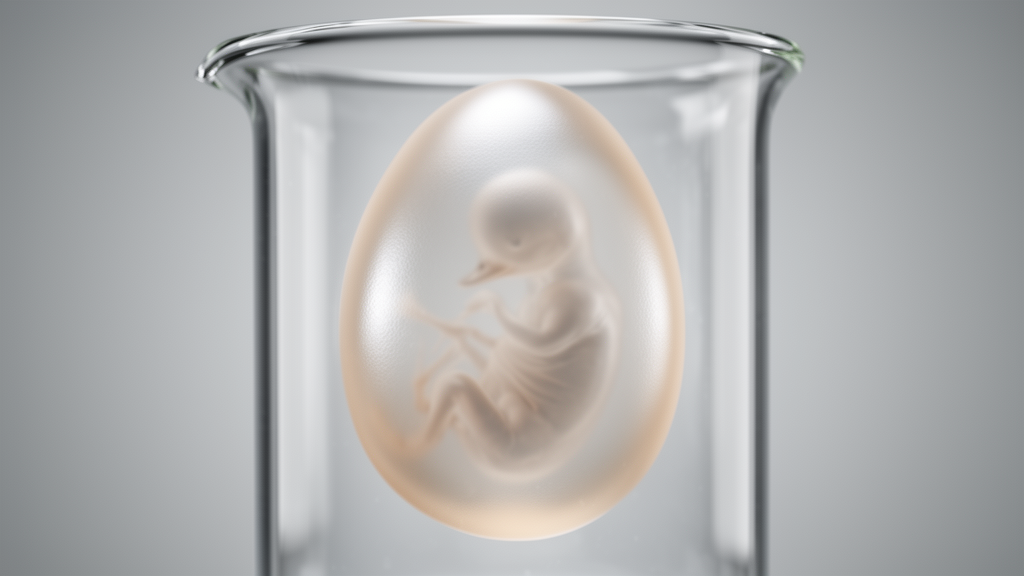
Serial passage of a virulent Egyptian duck hepatitis A virus type 1 isolate in embryonated chicken eggs achieved complete viral attenuation after 84 passages, driven by minimal genomic evolution. Duck hepatitis A virus type 1 causes a highly contagious disease characterized by high mortality in young ducklings. Although serial passage in embryonated eggs is a widespread strategy for viral adaptation and attenuation, the exact molecular changes underlying this attenuation process have remained poorly understood.

To investigate the genetic basis of attenuation, researchers serially passaged the virulent field isolate 84 times in embryonated chicken eggs. The investigators then conducted a direct comparison between the unpassaged parental virus, designated P0, and the passage-84 virus, designated P84. Pathogenicity and phenotypic characteristics were evaluated through replication assays in embryonated chicken eggs, experimental challenge in Pekin ducklings, and whole-genome sequence analysis.

The comparative assessments revealed complete loss of virulence in the passaged strain alongside enhanced growth. In Pekin ducklings, exposure to the parental virus resulted in 100 percent mortality within 72 hours, whereas ducklings exposed to the P84 virus exhibited neither clinical signs nor mortality. Furthermore, the attenuated P84 isolate replicated to higher titers in embryonated chicken eggs than the parental virus, demonstrating successful adaptation to the egg host system.

Whole-genome sequencing of the two viral genomes identified 11 nucleotide substitutions across the genome, which produced four non-synonymous amino acid mutations situated in the VP3, 2A, and 2C viral proteins. The study authors concluded that profound phenotypic attenuation can emerge with minimal genomic changes, highlighting these specific coding-region alterations—particularly within the 2C protein—as primary candidate mutations for future reverse-genetics investigations and rational live vaccine design.

Subject of Research: Attenuation and coding-region mutations of duck hepatitis A virus type 1

Article Title: Identification of coding-region mutations associated with attenuation of an Egyptian duck hepatitis A virus type 1 isolate following serial egg passage

Article References: Hisham, I., Ali, A., El-Abideen, M. A. Z., Adel, A., Kilany, W. H., El-Sawah, A. A., Rahmani, A., Abdelwhab, E. M., & Elkady, M. F. (2026). Identification of coding-region mutations associated with attenuation of an Egyptian duck hepatitis A virus type 1 isolate following serial egg passage. Virology Journal. https://doi.org/10.1186/s12985-026-03360-6

Image Credits: AI Generated

DOI: 10.1186/s12985-026-03360-6

Keywords: Duck hepatitis A virus type 1, DHAV-1, viral attenuation, serial egg passage, embryonated chicken eggs, Pekin ducklings, VP3 protein, 2A protein, 2C protein, viral pathogenicity, whole-genome sequencing, non-synonymous mutations, nucleotide substitutions, live vaccine development, reverse-genetics studies, viral replication titers, Egyptian DHAV-1 isolate

News Source: Kristina Jarvis. (November 14, 2026). Serial Egg Passage Completely Attenuates Egyptian Duck Hepatitis A Virus Isolate. Scienmag.

Tags: 2A protein2C proteinDHAV-1Duck hepatitis A virus type 1Egyptian DHAV-1 isolateembryonated chicken eggslive vaccine developmentnon-synonymous mutationsnucleotide substitutionsPekin ducklingsreverse-genetics studiesserial egg passageviral attenuationviral pathogenicityviral replication titersVP3 proteinwhole-genome sequencing
Share12Tweet7Share2ShareShareShare1

Related Posts

Tumor Size Modifies Oral Contraceptive Association With Breast Cancer Metastasis

Tumor Size Modifies Oral Contraceptive Association With Breast Cancer Metastasis

November 17, 2026
Rat Study Associates Maternal Immune Activation With Hippocampal Neuroimmune and Metabolic Shifts

Rat Study Associates Maternal Immune Activation With Hippocampal Neuroimmune and Metabolic Shifts

November 17, 2026

Red Blood Cell Transfusions Show No Association with Infant Lymphocyte Counts

November 17, 2026

Host Transposable Element Transfer Contributes Little to Microsporidian Genome Expansion

November 17, 2026

POPULAR NEWS

  • Orthognathic Mixed Reality Templates Show Sub-Two-Millimeter Deviations in Early Scoping Review

    Orthognathic Mixed Reality Templates Show Sub-Two-Millimeter Deviations in Early Scoping Review

    29 shares
    Share 12 Tweet 7
  • Iron Oxide Nanoparticles Alleviate Cadmium Stress and Accumulation in Atractylodes Lancea

    29 shares
    Share 12 Tweet 7
  • Elevated Lipoprotein (a) Does Not Predict Long-Term Mortality After Heart Attack

    29 shares
    Share 12 Tweet 7
  • Incremental Deep Learning Reconstruction Improves High-Resolution Coronary CT Angiography Image Quality

    29 shares
    Share 12 Tweet 7

About

We bring you the latest biotechnology news from best research centers and universities around the world. Check our website.

Follow us

Recent News

Targeted Psoriasis Biologics Reshape Immune-Adipose Crosstalk and Suppress Inflammatory Visfatin

Wastewater Genomics Detects SARS-CoV-2 Mutations Months Before Clinical Identification

Cell Morphomics Reveals Shared Structural Pathology Across Diverse Neurological Diseases in Human Models

Subscribe to Blog via Email

Enter your email address to subscribe to this blog and receive notifications of new posts by email.

Join 88 other subscribers
  • Contact Us

Bioengineer.org © Copyright 2023 All Rights Reserved.

Welcome Back!

Login to your account below

Forgotten Password?

Retrieve your password

Please enter your username or email address to reset your password.

Log In
No Result
View All Result
  • Homepages
    • Home Page 1
    • Home Page 2
  • News
  • National
  • Business
  • Health
  • Lifestyle
  • Science

Bioengineer.org © Copyright 2023 All Rights Reserved.