A four-week regimen combining transcranial direct current stimulation with targeted foot core exercises is associated with measurable structural and functional changes in the sensorimotor network of individuals suffering from chronic ankle instability, according to findings from a double-blinded, randomized, placebo-controlled clinical trial published in BMC Medicine. The study evaluated whether combining noninvasive cortical stimulation with peripheral training could modify the central neural pathways involved in persistent joint dysfunction.
Chronic ankle instability is a prevalent condition recognized for impairing sensorimotor regulation and increasing the vulnerability of affected individuals to recurrent falls and joint injuries. Investigators note that maladaptive alterations within brain structure and supraspinal function represent major contributors to these persistent physical deficits. Prior to this trial, clinical uncertainty remained over whether therapeutic interventions that concurrently address both peripheral and supraspinal elements of sensorimotor regulation could alter these maladaptive neural patterns.
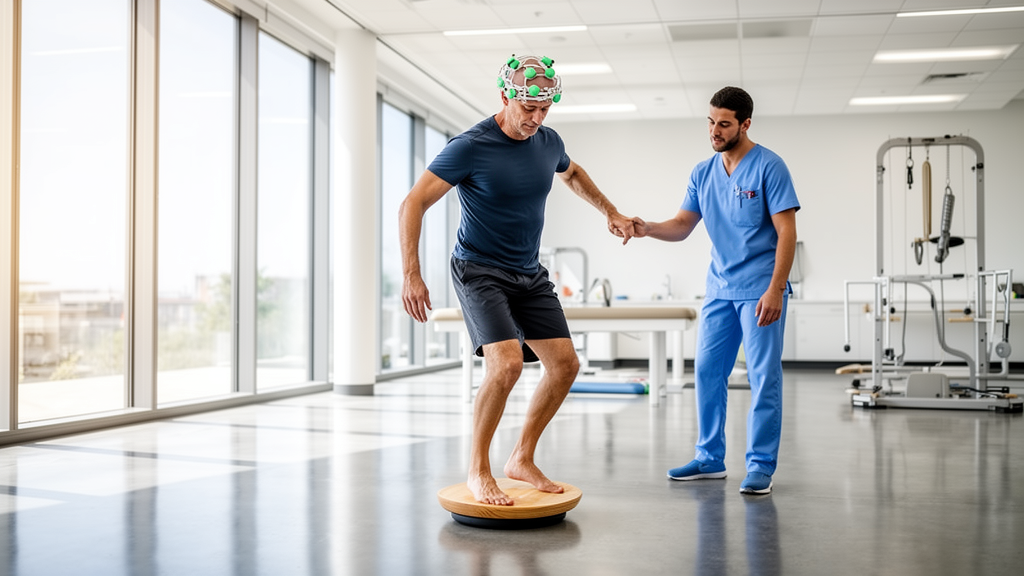
To investigate this question, the researchers enrolled thirty-one participants with diagnosed chronic ankle instability into the double-blinded, placebo-controlled trial. The protocol compared an experimental group receiving active transcranial direct current stimulation targeting the primary sensorimotor cortex against a control group receiving sham stimulation. Both groups concurrently completed foot core exercise training designed to target peripheral neuromuscular control and enhance the sensorimotor function of the foot and ankle.
The therapeutic protocol spanned a total duration of four weeks, delivering twelve separate intervention sessions at a scheduled frequency of three sessions per week. To capture the full extent of neurological and clinical adaptations, investigators administered structural and functional magnetic resonance imaging scans alongside standardized ankle functional assessments to all participants both before the initiation of the program and immediately following the completion of the four-week regimen.
Magnetic resonance imaging revealed significant intervention-related neural adaptations in the group receiving active cortical stimulation paired with foot core exercises compared to the sham control cohort. Specifically, participants undergoing the active combined protocol exhibited volumetric increases in the gray matter of the sensorimotor network. In addition to structural remodeling, neuroimaging assessments documented marked increases in both within-network functional connectivity and the segregation of the sensorimotor network.
These neurological modifications were accompanied by measurable clinical improvements, as participants in the active stimulation and exercise cohort demonstrated improved sensorimotor performance upon completing the trial. By demonstrating concurrent structural and functional adaptations within the sensorimotor network, the trial establishes an empirical foundation indicating that targeting peripheral neuromuscular pathways and supraspinal mechanisms simultaneously can positively influence sensorimotor regulation in chronic ankle instability.
The investigators concluded that these findings offer a conceptual framework supporting therapeutic strategies that concurrently engage supraspinal and peripheral mechanisms. While the study was conducted in a focused cohort of thirty-one individuals, the documented structural and functional outcomes provide critical knowledge intended to help clinicians and researchers optimize rehabilitative regimens for restoring sensorimotor function in patients presenting with chronic ankle instability.
Subject of Research: Combined brain stimulation and foot core exercise for chronic ankle instability
Article Title: Four-week transcranial direct current stimulation combined with foot core exercise is associated with structural and functional changes in the sensorimotor network in individuals with chronic ankle instability
Article References: Xu, Z., Xiao, S., Zhang, C., Shen, B., Zhan, J., Li, J., Liang, X., Zeng, Z., Zong, X., Li, J., Zhou, J., & Fu, W. (2026). Four-week transcranial direct current stimulation combined with foot core exercise is associated with structural and functional changes in the sensorimotor network in individuals with chronic ankle instability. BMC Medicine. https://doi.org/10.1186/s12916-026-05417-3
Image Credits: AI Generated
DOI: 10.1186/s12916-026-05417-3
Keywords: transcranial direct current stimulation, foot core exercise, chronic ankle instability, sensorimotor network, functional connectivity, gray matter volume, randomized controlled trial, magnetic resonance imaging, supraspinal regulation, neuromuscular control, ankle rehabilitation, sensorimotor cortex, brain plasticity, BMC Medicine, clinical trial
News Source: Cassandra Pierce. (November 13, 2026). Brain Stimulation With Foot Exercises Modulates Sensorimotor Networks in Ankle Instability. Scienmag.