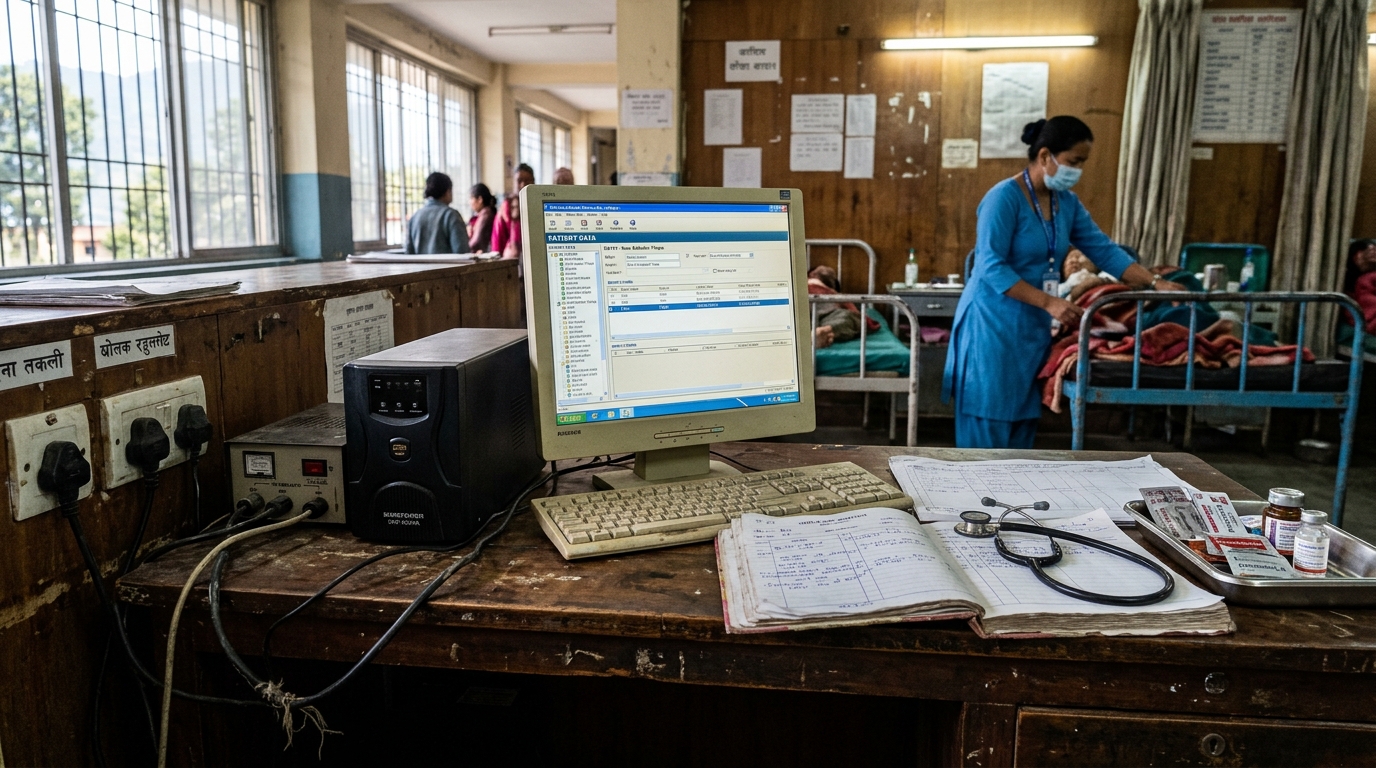
A qualitative exploratory study examining antimicrobial stewardship programs across hospitals in Nepal has identified significant infrastructural and structural barriers that complicate the transition from national policy to practical clinical execution. Researchers investigating the integration of digital health tools within hospital environments found that although awareness of antimicrobial resistance is high among healthcare stakeholders, clinical implementation remains hindered by systemic resource deficits. The inquiry focused on how healthcare facilities can operationalize the country’s National Action Plan on Antimicrobial Resistance, underscoring that institutional readiness and technical foundations must be strengthened before digital interventions can effectively assist clinical workflows.
The study was designed around an interpretivist qualitative framework to explore the nuanced perspectives of frontline health system actors. Researchers conducted semi-structured, in-depth interviews with 38 purposively selected participants representing diverse healthcare roles across Nepal. To analyze the qualitative accounts, the investigative team applied Braun and Clarke’s six-phase thematic analysis methodology, organizing the stakeholder narratives into structured conceptual patterns. The authors reported their methodological procedures in accordance with the Consolidated Criteria for Reporting Qualitative Research checklist, ensuring transparency in their qualitative data collection and analytical synthesis.
Stakeholder interviews revealed four overarching thematic areas that govern stewardship implementation in Nepalese medical facilities. The first theme centered on widespread awareness regarding the urgency of antimicrobial resistance, which participants identified as a severe public health crisis. Contributors noted that the problem is heavily driven by inappropriate prescribing patterns, widespread and unregulated antibiotic access within the broader community, and complex factors spanning human, animal, and environmental domains under a One Health perspective.
The second major theme detailed existing antimicrobial use patterns alongside persistent institutional and systemic deficits. Participants described hospital prescribing as heavily dominated by empirical decision-making, where clinicians frequently select antimicrobials without microbiological guidance. This pattern is compounded by variable adherence to formal clinical guidelines and the operational limitations of hospital antimicrobial stewardship structures, which remain severely constrained by inadequate staffing levels and a lack of formal administrative authority to enforce prescribing policies.
Regarding the integration of digital technology, the third theme evaluated the feasibility and acceptability of electronic tools intended to support antimicrobial stewardship. The interviewees expressed broad overall support for digital solutions, yet highlighted practical concerns surrounding technological fragmentation across hospitals. Institutions exhibited highly variable degrees of digital maturity, and stakeholders consistently emphasized that digital systems must serve solely to aid and support clinical judgment rather than attempting to automate or replace human clinical decision-making.
The final theme synthesized core implementation barriers, facilitators, and strategic recommendations required to achieve sustainable stewardship programs. Key impediments included pervasive healthcare workforce shortages, the absence of interoperability standards between disparate digital platforms, and inconsistent institutional leadership commitment. Participants emphasized that effective execution depends on aligning hospital practices with national health policy and securing sustained long-term investments in human healthcare personnel alongside robust physical and digital technical infrastructure.
The researchers concluded that while basic stewardship structures and diagnostic awareness are already present in several Nepalese facilities, closing the gap between policy and practice demands coordinated systemic intervention across clinical, laboratory, digital, and policy domains. Digital tools offer meaningful support for monitoring and directing antimicrobial utilization, but their practical success relies on addressing foundational prerequisites, including standardized data systems, workforce capacity expansion, and dependable institutional leadership. These empirical findings provide targeted, pillar-specific operational guidance to assist health authorities in executing Nepal’s National Action Plan on Antimicrobial Resistance.
Subject of Research: Qualitative implementation study of digitally supported hospital antimicrobial stewardship programs in Nepal
Article Title: Translation of policy into practice: a qualitative exploratory study of digitally supported antimicrobial stewardship programs in Nepalese hospitals
Article References: Karki, R., Shrestha, S., Budhathoki, U., Mukherjee, A. S., Koirala, J., & Pradhan, N. (2026). Translation of policy into practice: a qualitative exploratory study of digitally supported antimicrobial stewardship programs in Nepalese hospitals. Antimicrobial Resistance & Infection Control. https://doi.org/10.1186/s13756-026-01826-4
Image Credits: AI Generated
DOI: 10.1186/s13756-026-01826-4
Keywords: Antimicrobial Resistance, Antimicrobial Stewardship, Nepal Healthcare, Digital Health, Qualitative Research, Thematic Analysis, COREQ, Health Systems, Hospital Prescribing, Empirical Antibiotic Prescribing, Interoperability, One Health, Health Policy Implementation, Clinical Decision Support, Healthcare Workforce Shortages, National Action Plan
News Source: Kristina Jarvis. (November 13, 2026). Nepalese Hospitals Face Infrastructure Barriers Implementing Digital Antimicrobial Stewardship Programs. Scienmag.