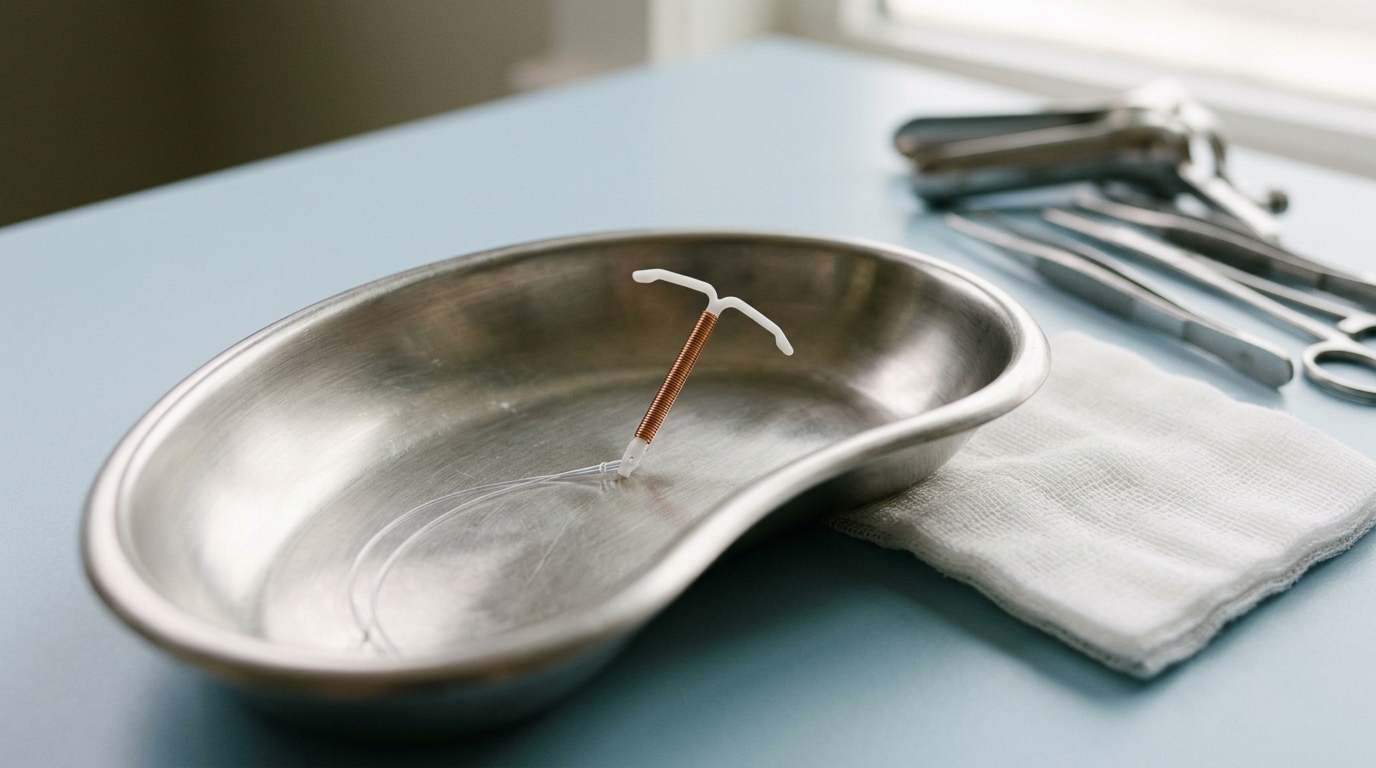
A hospital-based observational study conducted in New Delhi has revealed significant differences in the outcomes of post-placental intrauterine contraceptive device insertion between women delivering preterm and those delivering at term. The research, published in Contraception and Reproductive Medicine, indicates that while the procedure remains safe and effective for both groups, preterm deliveries are associated with notably higher rates of spontaneous device expulsion and lower continuation rates over a twelve-month follow-up period. This finding underscores the need for tailored clinical approaches and enhanced counseling strategies for mothers experiencing preterm birth, as their physiological conditions may influence the retention of long-acting reversible contraceptives.
The study was carried out at Vardhman Mahavir Medical College and Safdarjung Hospital in New Delhi over a twenty-four-month period from December 2020 to December 2022. The primary objective was to compare continuation rates, complications, and expulsion rates of post-placental intrauterine contraceptive device insertion between preterm and term deliveries. The researchers also sought to explore the factors influencing these outcomes, particularly focusing on the physiological variations that might affect device retention in the early postpartum period.
From a pool of two thousand antenatal women who were counseled regarding immediate postpartum intrauterine contraceptive device insertion, two hundred and forty women consented to participate in the study. This acceptance rate of twelve percent highlighted the persistent challenges in uptake despite structured counseling efforts. The enrolled participants were divided equally into two groups of one hundred and twenty women each, with one group comprising those who delivered preterm and the other those who delivered at term. All participants received the CuT 380 A device, a copper intrauterine device, inserted immediately after the delivery of the placenta.
The inclusion criteria for the study required women to be under medical eligibility category one or two for intrauterine device use, to have delivered vaginally, and to have no plans for pregnancy within the next twelve months. Exclusion criteria were extensive, covering conditions such as chorioamnionitis, pelvic infection, prolonged rupture of membranes, severe anemia, and postpartum hemorrhage. The mean age of the participants was twenty-six point nine years, with a standard deviation of three point two years.
Follow-up assessments were conducted at three, six, and twelve months post-insertion to evaluate continuation, satisfaction, expulsion, and any complications. At each visit, a detailed clinical evaluation was performed through history taking and pelvic examination. The severity of lower abdominal pain and menstrual pain was assessed using a Visual Analogue Scale ranging from zero to ten, while satisfaction with the device was measured using a Likert scale at the six and twelve-month marks.
The results demonstrated that continuation rates were significantly higher in the term delivery group compared to the preterm group at both six and twelve months. At six months, the continuation rate for term deliveries was ninety-six point six percent, whereas it was eighty-eight point three percent for preterm deliveries. By twelve months, this gap widened, with term deliveries showing a continuation rate of eighty-five percent and preterm deliveries dropping to sixty-three point three percent. The difference was statistically significant, with a p-value of less than zero point zero five, indicating that the observed disparity was unlikely to be due to chance.
Spontaneous expulsion of the intrauterine device was a key finding, with rates significantly higher in the preterm group. At six months, seven point five percent of preterm women experienced expulsion, compared to only one point six percent of term women. At twelve months, the expulsion rate for preterm women was fifteen point three percent, while it was six point four percent for term women. The researchers suggested that these higher expulsion rates in preterm deliveries may be attributed to physiological factors such as a smaller uterine size, an underdeveloped uterine cavity, and variations in uterine involution. The relatively smaller and less distended uterine cavity in preterm deliveries may hinder optimal fundal placement of the device, while altered uterine involution dynamics and reduced uterine tone could contribute to device displacement.
Satisfaction rates remained high and comparable between the two groups throughout the follow-up period. At twelve months, eighty-one percent of preterm women and eighty-five percent of term women reported satisfaction with the intrauterine device, with no statistically significant difference between the groups. The overall satisfaction rate at twelve months was eighty-seven percent according to the Likert scale. This suggests that despite the higher risk of expulsion in preterm deliveries, the device was well-tolerated and accepted by the majority of women in both groups.
The study also highlighted the low overall acceptance rate of twelve percent, which the authors attributed to socio-cultural barriers, misconceptions regarding intrauterine device use, fear of complications, and limited partner involvement. The researchers emphasized that effective counseling requires adequate provider training, strong communication skills, and confidence in addressing patient concerns. They recommended that regular reinforcement through structured training programs, peer education, and the integration of contraceptive counseling into routine antenatal care could significantly improve acceptance rates. Strengthening provider capacity and ensuring consistent, high-quality counseling are essential for increasing the demand for and uptake of post-placental intrauterine contraceptive devices.
Limitations of the study include its single-center design and relatively small sample size, which may limit the generalizability of the findings. The follow-up period was restricted to twelve months, preventing the assessment of longer-term outcomes. Additionally, the effectiveness of counseling and the acceptance of post-placental intrauterine contraceptive devices may vary across different populations and healthcare settings. The authors recommended conducting multi-center studies with larger sample sizes and extended follow-up to gain a more comprehensive understanding of long-term continuation, satisfaction, and complication rates associated with immediate post-placental intrauterine contraceptive device insertion, particularly in women delivering preterm.
In conclusion, post-placental intrauterine contraceptive device insertion is a safe, effective, and cost-efficient method of contraception for both preterm and term deliveries. However, the higher expulsion rates observed in preterm deliveries warrant focused counseling and follow-up. Structured antenatal and postnatal counseling, combined with provider confidence and patient education, is essential to increase acceptance and continuation of post-placental intrauterine contraceptive devices, particularly in populations at higher risk of early postpartum fertility. The findings provide valuable insights for clinicians aiming to optimize contraceptive care in the immediate postpartum period.
The study identified specific obstetric and demographic factors that influenced the likelihood of women accepting the contraceptive device. Multigravida women, those who had given birth previously, demonstrated higher acceptance rates compared to primiparous women. This preference may stem from the device being a safe, long-acting reversible contraceptive that serves as a preferred alternative to permanent sterilization. Educational status also played a significant role in uptake. A statistically significant difference was observed between the two groups, with a higher proportion of women in the term delivery group possessing intermediate or higher education levels compared to the preterm group.
Physiological variations during the immediate postpartum period further complicated device retention in preterm deliveries. The researchers noted that string visibility, a clinical indicator of device placement, was more common in preterm women than in term women. Specifically, the device string was visible in three point three percent of women overall, with a higher incidence among those delivering between twenty-eight and thirty-one weeks and six days of gestation compared to those delivering between thirty-two and thirty-six weeks and six days. In contrast, string visibility was absent in one hundred percent of term deliveries. This pattern suggests that gestational maturity influences post-placental outcomes, as the uterine cavity in preterm deliveries is relatively smaller and less distended. Such anatomical differences may hinder optimal fundal placement of the device, while altered uterine involution dynamics and reduced uterine tone in the early postpartum period could contribute to displacement.
Menstrual patterns and pain experiences also differed between the groups following insertion. At twelve months, seventy-eight percent of women had resumed menses, with ninety-three percent in the preterm group and eighty-five percent in the term group. In the term group, there was a statistically significant difference in menstrual pattern, menstrual pain, and duration before and after insertion. Term women experienced significant reductions in menstrual flow and pain, whereas preterm women did not show notable changes. Despite these variations, hemoglobin levels improved significantly in both groups compared to baseline, indicating that the intrauterine device did not adversely affect menstrual blood loss or exacerbate anemia.
Complications leading to device removal were primarily attributed to bleeding, infection, and abdominal pain. At twelve months, the proportion of removals due to these complications was significantly higher in the preterm group compared to the term group. No perforations or pregnancies were reported during the follow-up period. Satisfaction was objectively assessed using the Likert scale and verified by clinical examination and ultrasound, rather than relying solely on self-reporting. The findings suggest that while preterm deliveries present higher risks for expulsion and complication-related removal, the device remains a feasible option with minimal severe adverse events when managed with appropriate follow-up.
Subject of Research: Comparative outcomes of post-placental intrauterine contraceptive device insertion in preterm versus term deliveries.
Article Title: A comparative study on the outcomes of post-placental intrauterine contraceptive device insertion between preterm and term deliveries: a hospital-based observational study
Article References: Kumari, S., Singh, S., Chawla, A., & Lachyan, A. (2026). A comparative study on the outcomes of post-placental intrauterine contraceptive device insertion between preterm and term deliveries: a hospital-based observational study. Contraception and Reproductive Medicine, 11(1), Article 35. https://doi.org/10.1186/s40834-026-00455-x
Image Credits: AI Generated
DOI: 10.1186/s40834-026-00455-x
Keywords: postpartum contraception, intrauterine device, preterm delivery, term delivery, device expulsion, continuation rates, obstetrics, family planning, clinical outcomes, reproductive health, comparative, outcomes
News Source: Ophelia Keating. (November 13, 2026). Preterm Birth Linked to Higher IUCD Expulsion Rates. Scienmag.