Computational biologists have applied non-negative matrix factorization to decompose the accessory pangenome of 1,398 curated Staphylococcus aureus genomes into 24 additive gene modules termed phylons. Bacterial pangenomes typically combine vertically inherited chromosomal backgrounds with horizontally acquired mobile elements, but existing analytic approaches either assign each genome to a single phylogenetic lineage or evaluate individual genes independently. The additive framework separates lineage-defining genetic components from mobile element repertoires, reconstructing the tested accessory genomes with 90 percent accuracy and 96 percent precision.
Under the additive model, each bacterial genome is represented as a primary lineage phylon combined with one or more mobilome phylons. This architecture successfully recovered established biological classifications, including clonal complex structure and immune evasion cluster types. Furthermore, the decomposition revealed previously uncharacterized genomic relationships, identifying multiple horizontal transfer events linking the CC30 lineage and the hybrid ST239 pandemic lineage.
To validate the findings without relying on prior gene annotations, the authors analyzed the genomes using geNomad. This assessment confirmed that between 75 and 96 percent of mobilome phylon gene instances physically reside within prophage regions across all 1,398 evaluated genomes. Coordinate-level analysis of the remaining instances identified prophage boundary effects, chromosomally integrated elements, and composite mobilome architecture rather than algorithmic classification errors, confirming that mobile modules reliably reflect physical chromosomal insertions.
The decomposition model was further evaluated on an external validation set of 966 independent draft genome assemblies. The method achieved zero false-positive lineage assignments, recording a mean area under the receiver operating characteristic curve of 0.996 with no observed dependence on assembly quality. Without retraining, the mobilome phylons successfully distinguished isolates from human hosts from those found in livestock hosts, and separated methicillin-resistant isolates from methicillin-susceptible strains.
To facilitate classification of newly sequenced isolates, the investigators introduced a lightweight projection software tool named phylon_assign. Building on prior demonstrations in Escherichia coli and Enterobacter, the successful generalization of non-negative matrix factorization to Staphylococcus aureus—an organism exhibiting a fundamentally different pangenome organization—establishes the modular decomposition method as a scalable, organism-agnostic computational strategy for analyzing diverse bacterial pangenomes.
Subject of Research: Decomposition of the Staphylococcus aureus pangenome using non-negative matrix factorization
Article Title: Decomposition of the S. aureus pangenome reveals evolving genetic repertoire associated with adaptation and virulence
Article References: Chauhan, S. M., Palsson, B. O., & Monk, J. M. (2026). Decomposition of the S. aureus pangenome reveals evolving genetic repertoire associated with adaptation and virulence. PLOS Computational Biology, 22(11), e1014910. https://doi.org/10.1371/journal.pcbi.1014910
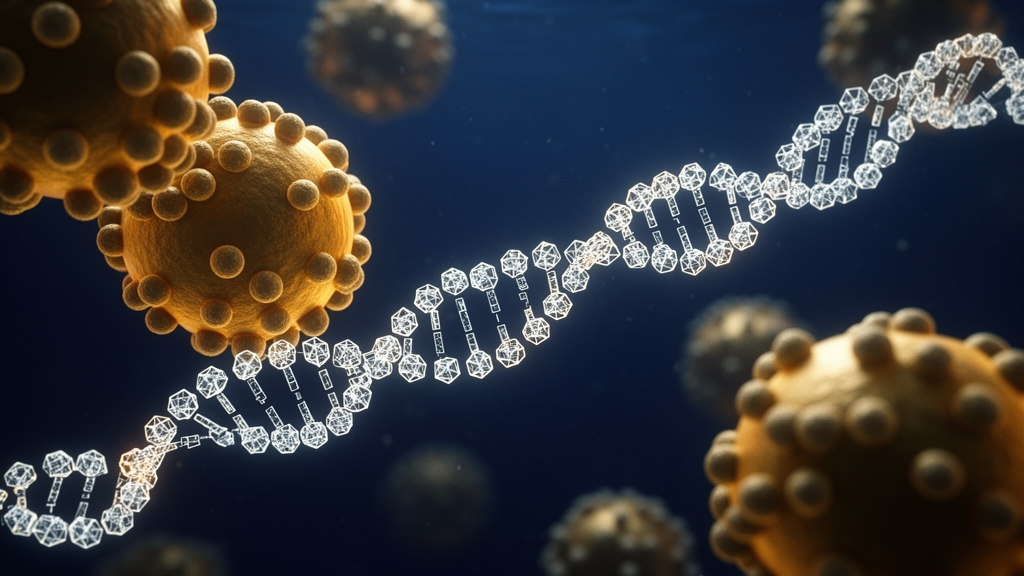
Image Credits: AI Generated
DOI: 10.1371/journal.pcbi.1014910
Keywords: Staphylococcus aureus, pangenome, non-negative matrix factorization, phylons, mobilome, prophages, clonal complexes, CC30, ST239, geNomad, methicillin resistance, MRSA, horizontal gene transfer, phylon_assign, bacterial genomics, computational biology
News Source: Drew Townsend. (November 12, 2026). Matrix Factorization Resolves Modular Architecture of the Staphylococcus aureus Bacterial Pangenome. Scienmag.