
• HOME
  • NEWS
  • EXPLORE
    • CAREER
      • Companies
      • Jobs
    • EVENTS
    • iGEM
      • News
      • Team
    • PHOTOS
    • VIDEO
    • WIKI
  • BLOG
  • COMMUNITY
    • FACEBOOK
    • INSTAGRAM
    • TWITTER
Wednesday, November 18, 2026
BIOENGINEER.ORG
No Result
View All Result
  • Login
  • HOME
  • NEWS
  • EXPLORE
    • CAREER
      • Companies
      • Jobs
        • Lecturer
        • PhD Studentship
        • Postdoc
        • Research Assistant
    • EVENTS
    • iGEM
      • News
      • Team
    • PHOTOS
    • VIDEO
    • WIKI
  • BLOG
  • COMMUNITY
    • FACEBOOK
    • INSTAGRAM
    • TWITTER
No Result
View All Result
Bioengineer.org
No Result
View All Result
Home NEWS Science News Biology

Virus-free insect cell lines match commercial High Five protein yields

by
November 12, 2026
in Biology
Reading Time: 2 mins read
0
Virus-free insect cell lines match commercial High Five protein yields

Virus-free insect cell lines match commercial High Five protein yields

Share on FacebookShare on TwitterShare on LinkedinShare on RedditShare on Telegram

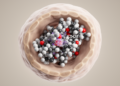
Researchers have identified a second adventitious virus, Bombyx mori macula-like virus, in the BTI-TN-5B1-4 insect cell line and successfully eliminated it alongside the previously known Tn5 Cell Line Virus using a membrane-separated co-culture system. The resulting virus-free clonal lines maintained robust growth in serum-free suspension culture and achieved recombinant protein yields comparable to or exceeding those of commercial High Five cells.

Derived from Trichoplusia ni, the BTI-TN-5B1-4 cell line, commonly referred to as High Five, is widely used for recombinant protein production. The cell line is favored across biotechnology laboratories and industrial bioprocesses due to its high overall productivity and efficient protein secretion capacity within the baculovirus-insect cell expression system.

Despite these manufacturing advantages, adventitious viral contamination remains a significant concern, particularly in the manufacture of vaccines and therapeutic proteins, for which ensuring viral safety is paramount. Tn5 cultures have long harbored persistent viral agents, beginning with the 2007 identification of a latent infection caused by Tn5 Cell Line Virus, an alphanodavirus.

In the newly reported investigation, the research team detected Bombyx mori macula-like virus as an additional contaminating entity within the Tn5 background. To clear both viral agents without sacrificing cellular function, the investigators implemented a clearance protocol that co-cultured the contaminated Tn5 cells alongside Sf9 insect cells across a permeable membrane barrier.

Following viral elimination through the membrane-based co-culture protocol, the authors isolated and established distinct clonal cell lines from the cleared parental population. Comprehensive characterization conducted in serum-free suspension culture demonstrated that selected clonal isolates exhibited growth kinetics on par with standard commercial High Five counterparts.

The virus-free isolates also supported productive baculovirus infection and generated recombinant protein yields that matched or surpassed levels achieved in parental High Five cultures. Successful expression trials spanned diverse target molecules, including model enzymes such as secreted alkaline phosphatase and beta-galactosidase, alongside complex macromolecular structures including the adenovirus penton-based virus-like particle ADDomer and the malaria vaccine candidate PfRipr5.

The established clonal lines provide a fully traceable and virus-free expression host with an improved biosafety profile. By eliminating latent viral contamination while preserving high-titer production capabilities, these cell lines offer a reliable platform designed to support both laboratory research and regulated industrial biomanufacturing workflows.

Subject of Research: Elimination of adventitious viruses from insect cell lines for recombinant protein production

Article Title: New virus-free insect cell lines derived from BTI-TN-5B1-4 exhibit high performance in recombinant protein production

Article References: Chen, Y., Nicolas, P., Hurisa, B., Correia, R., Jacqmotte-Parks, I. C., Zhang, S., Debbie, P., Roldão, A., Fei, Z., Blissard, G. W., & Fey, J. P. (2026). New virus-free insect cell lines derived from BTI-TN-5B1-4 exhibit high performance in recombinant protein production. BMC Biotechnology. https://doi.org/10.1186/s12896-026-01246-7

Image Credits: AI Generated

DOI: 10.1186/s12896-026-01246-7

Keywords: BTI-TN-5B1-4, High Five cells, Trichoplusia ni, recombinant protein production, baculovirus expression system, adventitious viruses, Tn5 Cell Line Virus, Alphanodavirus, Bombyx mori macula-like virus, Sf9 co-culture, permeable membrane, serum-free suspension culture, secreted alkaline phosphatase, beta-galactosidase, ADDomer, PfRipr5, viral safety, biomanufacturing

News Source: Kristina Jarvis. (November 12, 2026). Virus-free insect cell lines match commercial High Five protein yields. Scienmag.

Tags: ADDomeradventitious virusesAlphanodavirusbaculovirus expression systembeta-galactosidasebiomanufacturingBombyx mori macula-like virusBTI-TN-5B1-4High Five cellspermeable membranePfRipr5recombinant protein productionsecreted alkaline phosphataseserum-free suspension cultureSf9 co-cultureTn5 Cell Line VirusTrichoplusia niviral safety
Share12Tweet7Share2ShareShareShare1

Related Posts

Blocking EZH2 Alleviates Cartilage Damage and Pain Pathways in Osteoarthritis

Blocking EZH2 Alleviates Cartilage Damage and Pain Pathways in Osteoarthritis

November 18, 2026
De Novo Trisomy 16p11.2q24.3 Identified in Newborn With Multiple Congenital Anomalies

De Novo Trisomy 16p11.2q24.3 Identified in Newborn With Multiple Congenital Anomalies

November 18, 2026

Engineered Yeast Strain Enables Acidic Protein Production Without Any pH Control

November 18, 2026

Leishmania Parasites Hijack Macrophage Protein to Rewire Mitochondrial Energy Metabolism

November 18, 2026

POPULAR NEWS

  • Geospatial Proxies Reveal Stable Peri-Urban Health Units in Coastal Kenya

    Geospatial Proxies Reveal Stable Peri-Urban Health Units in Coastal Kenya

    29 shares
    Share 12 Tweet 7
  • Herbal Formula Alleviates Knee Osteoarthritis by Inhibiting Inflammatory Signaling in Rabbits

    29 shares
    Share 12 Tweet 7
  • First Single-Cell Microenvironment Atlas Maps Rare Lung Disease Lesions in Women

    29 shares
    Share 12 Tweet 7
  • Dissociative Corticosteroid Vamorolone Shows Differentiated Safety and Efficacy for DMD Treatment

    29 shares
    Share 12 Tweet 7

About

We bring you the latest biotechnology news from best research centers and universities around the world. Check our website.

Follow us

Recent News

Simple Bedside Scale Matches Complex System in Predicting Organophosphate Poisoning Mortality

Review Finds Sex Differences Shape Complications and Recovery After Total Hip Arthroplasty

Blocking EZH2 Alleviates Cartilage Damage and Pain Pathways in Osteoarthritis

Subscribe to Blog via Email

Enter your email address to subscribe to this blog and receive notifications of new posts by email.

Join 88 other subscribers
  • Contact Us

Bioengineer.org © Copyright 2023 All Rights Reserved.

Welcome Back!

Login to your account below

Forgotten Password?

Retrieve your password

Please enter your username or email address to reset your password.

Log In
No Result
View All Result
  • Homepages
    • Home Page 1
    • Home Page 2
  • News
  • National
  • Business
  • Health
  • Lifestyle
  • Science

Bioengineer.org © Copyright 2023 All Rights Reserved.