An extensive shotgun metagenomic investigation of 234 gut microbiome samples from six communities across three distinct regions of India has identified three defined microbial enterotypes, providing new evidence of functional convergence and biological resilience among Particularly Vulnerable Tribal Groups. The research, published in BMC Microbiology by an investigative team led by Alekhya Ponnada, Tapas Kumar Biswas, and colleagues, demonstrates how populations maintaining close ecological connections and traditional subsistence lifestyles preserve specialized bacterial lineages alongside signatures of contemporary dietary transition.
India’s Particularly Vulnerable Tribal Groups, commonly designated as PVTGs, maintain strong ecological ties and traditional subsistence relationships with their surrounding environments. Despite the recognized role of the human gut microbiome in reflecting biocultural history, the microbial communities of these specific populations have remained largely unexplored. To assess their microbial structure, functional capacity, and current microbiome transition status, the research team analyzed gut samples using high-resolution shotgun metagenomic sequencing across six distinct communities situated in three geographically separated regions of India.
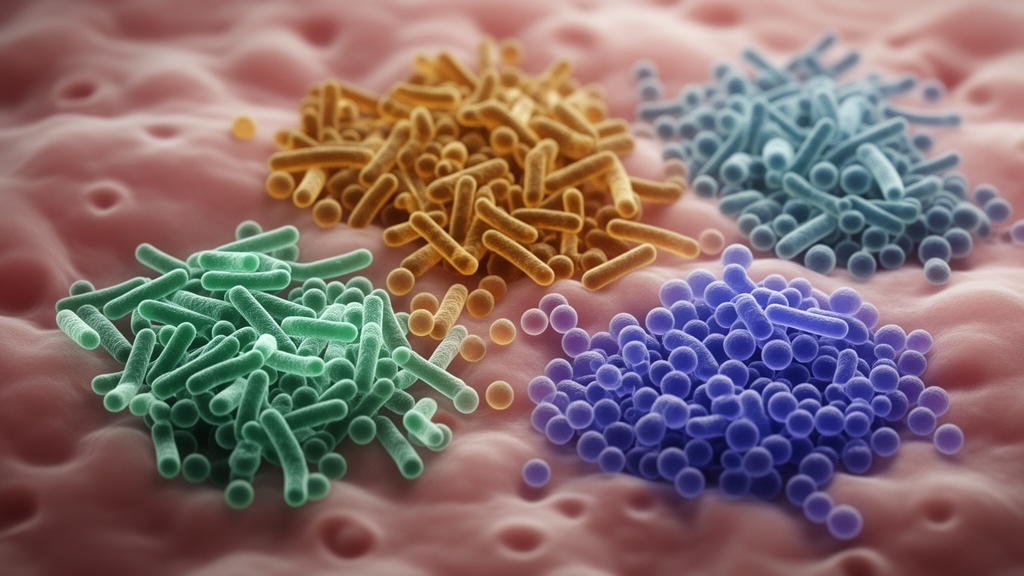
The researchers identified three distinct microbiome clusters across the surveyed tribal communities, designated respectively as the SPI, SEG, and FIR clusters. The first profile, SPI, is a Spirochete-rich cluster recognized as a well-documented enterotype in global tribal communities. Metagenomic analysis of this cluster highlighted an elevated abundance of Spirochaetes, most notably marked by the prominent presence of the bacterial species Treponema succinifaciens, together with an increased abundance of Segatella species.
The second identified profile, termed the SEG cluster, is dominated by bacteria belonging to the genus Segatella. According to the study, this Segatella-dominated enterotype constitutes a common microbiome pattern observed across Indian communities regardless of their geographical region. Much like the SPI cluster, the SEG enterotype displayed an increased abundance of Segatella species as well as the confirmed presence of Treponema succinifaciens, demonstrating consistent compositional features between these two community groupings across different regional settings.
In contrast to the Spirochete- and Segatella-heavy profiles, the third cluster, labeled FIR, was characterized by an enrichment of Firmicutes bacteria. The investigators noted that this Firmicutes-enriched cluster can be considered a diversified state, defined by a decreased dominance of Segatella, an increased Firmicutes-Bacteroidetes ratio, and the near-total absence of Treponema succinifaciens. Detected within a subset of the analyzed samples, the FIR cluster provided tangible biological evidence that dietary and microbial transitions are actively occurring among some individuals within these tribal groups.
Beyond identifying taxonomic groupings, the investigators explored specific metabolic pathways encoded by the gut microbiome and identified the individual contributing species supporting these functions. Their functional profiling uncovered pathways responsible for the degradation of dietary fibre, mucin, complex carbohydrates, and dairy substrates. The analysis also identified microbial pathways supporting the production of short-chain fatty acids, the synthesis of lipopolysaccharide and peptidoglycan, the breakdown of xenobiotic compounds, and the biosynthesis of essential vitamins, including vitamin B, vitamin C, and vitamin K2. The authors determined that these functional similarities and variations directly signify community lifestyle patterns and subsistence dietary practices based on unrefined plant foods, seasonally varied proteins, and fibre.
In evaluating the broader implications of their data, the researchers emphasized that the gut microbiomes of India’s Particularly Vulnerable Tribal Groups display functional convergence and resilience. Even in samples where the diversified Firmicutes-enriched enterotype was observed, key fibre degradation pathways remained intact, while Segatella species and Treponema succinifaciens remained robust across the SPI and SEG clusters. Because cultural transitions can shift these subsistence-linked microbial relationships, the study authors concluded that cataloguing the gut microbiomes of PVTGs at this pivotal moment is essential for establishing lasting biological and cultural archives.
From a methodological standpoint, the investigation was designed as an observational metagenomic study rather than an interventional trial, with clinical trial registration designated as not applicable. To capture an accurate picture of biocultural history and microbial transition status across populations maintaining strong ecological ties, the researchers relied on shotgun metagenomic sequencing of 234 gut microbiome samples.
Subject of Research: Gut microbiome composition and functional resilience in India's Particularly Vulnerable Tribal Groups
Article Title: Resilient microbiome and biocultural adaptation: insights from the gut microbiota of India’s particularly vulnerable tribal groups
Article References: Ponnada, A., Maile, A., Nagarajaram, H. A., Urade, B. P., Waugh, B., Narasimhulu, T., Dzuvichu, K., Gautam, M., Bhakta, S., Roy, A. G., Patel, S. K., Sikdar, M., Bhattacharyya, S., Barik, D. K., Bhattacharyya, N., & Biswas, T. K. (2026). Resilient microbiome and biocultural adaptation: insights from the gut microbiota of India’s particularly vulnerable tribal groups. BMC Microbiology. https://doi.org/10.1186/s12866-026-05718-w
Image Credits: AI Generated
DOI: 10.1186/s12866-026-05718-w
Keywords: gut microbiome, Particularly Vulnerable Tribal Groups, shotgun metagenomic sequencing, Treponema succinifaciens, Segatella, Spirochete-rich cluster, Firmicutes-enriched cluster, Firmicutes-Bacteroidetes ratio, biocultural adaptation, short-chain fatty acids, fibre degradation, complex carbohydrates, xenobiotic degradation, vitamin synthesis, mucin degradation, peptidoglycan synthesis, microbiome transition
News Source: Morgan Morrow. (November 12, 2026). Gut Microbiome Analysis Reveals Three Distinct Clusters Across India’s Tribal Groups. Scienmag.