• HOME
  • NEWS
  • EXPLORE
    • CAREER
      • Companies
      • Jobs
    • EVENTS
    • iGEM
      • News
      • Team
    • PHOTOS
    • VIDEO
    • WIKI
  • BLOG
  • COMMUNITY
    • FACEBOOK
    • INSTAGRAM
    • TWITTER
Saturday, November 14, 2026
BIOENGINEER.ORG
No Result
View All Result
  • Login
  • HOME
  • NEWS
  • EXPLORE
    • CAREER
      • Companies
      • Jobs
        • Lecturer
        • PhD Studentship
        • Postdoc
        • Research Assistant
    • EVENTS
    • iGEM
      • News
      • Team
    • PHOTOS
    • VIDEO
    • WIKI
  • BLOG
  • COMMUNITY
    • FACEBOOK
    • INSTAGRAM
    • TWITTER
No Result
View All Result
Bioengineer.org
No Result
View All Result
Home NEWS Science News Health

Lens Dislocation Subtypes Exhibit Distinct Corneal and Anterior Segment Biometric Changes

by
November 12, 2026
in Health
Reading Time: 2 mins read
0
Lens Dislocation Subtypes Exhibit Distinct Corneal and Anterior Segment Biometric Changes

Lens Dislocation Subtypes Exhibit Distinct Corneal and Anterior Segment Biometric Changes

Share on FacebookShare on TwitterShare on LinkedinShare on RedditShare on Telegram

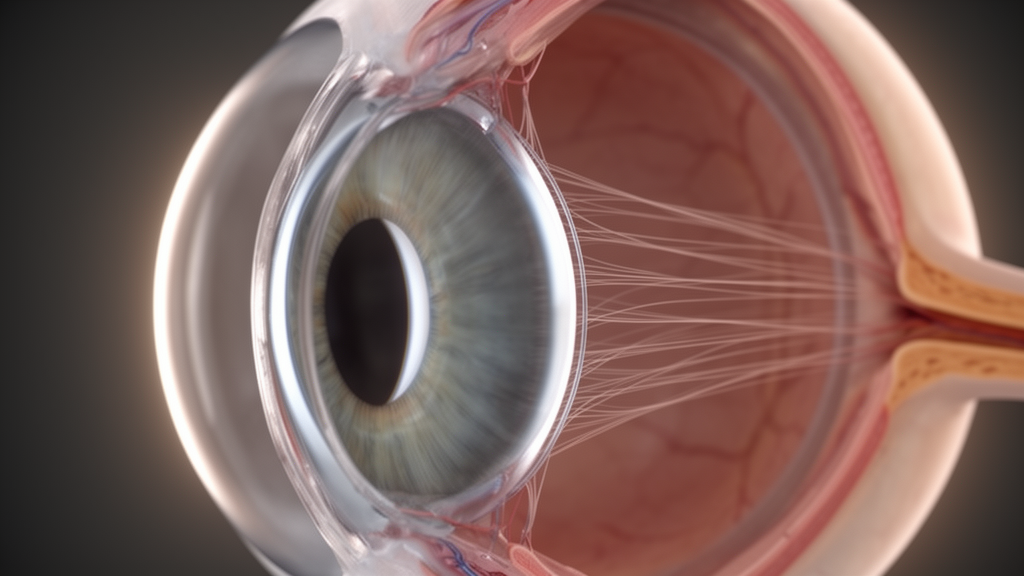
A retrospective case-control study has revealed distinct anterior segment and corneal biometric characteristics among patients with lens dislocation, identifying specific variations between idiopathic and traumatic etiologies when compared to cataract controls without dislocation.

Lens dislocation is a sight-threatening ocular disorder occurring through traumatic or idiopathic pathways, often presenting diagnostic difficulties because of subtle early manifestations. Previous biometric investigations into anterior segment structural changes have remained limited, leaving the biometric impacts associated with different dislocation causes incompletely understood.

The single-center clinical investigation evaluated 58 patients with lens dislocation, encompassing 63 eyes, alongside a control cohort of 112 cataract patients lacking lens dislocation. Researchers categorized the affected cohort into idiopathic lens dislocation and traumatic lens dislocation subgroups, while also evaluating an all-lens-dislocation group comprising both etiologies. Clinical ocular examinations were performed for all study participants utilizing both the IOL Master 700 optical biometer and the Pentacam HR imaging system.

Analysis of ocular dimensions demonstrated that patients with idiopathic lens dislocation exhibited significantly longer axial length than controls following statistical adjustment. In contrast, axial length differences did not achieve statistical significance in traumatic cases and did not remain statistically significant within the combined dislocation cohort. Conversely, corneal curvature was significantly flatter among traumatic and combined dislocation cases compared to controls after adjustment, whereas idiopathic cases did not display this flattening.

Measurements of corneal symmetry revealed parameter-specific and subgroup-dependent elevations across the dislocation groups. Patients with traumatic lens dislocation demonstrated greater vertical anterior corneal curvature asymmetry, whereas the combined dislocation cohort showed greater horizontal anterior corneal curvature asymmetry and Total Corneal Refractive Power asymmetry. Furthermore, greater horizontal corneal thickness asymmetry was identified across traumatic, idiopathic, and combined cohorts, and both traumatic and combined dislocation cases showed a significantly lower anterior chamber depth to white-to-white ratio than controls.

Evaluation of optical aberrations indicated that spherical aberration was significantly reduced exclusively in idiopathic lens dislocation after statistical adjustment, whereas traumatic and combined groups demonstrated non-significant decreases. Higher-order aberrations showed an elevated tendency across cases but did not reach statistical significance. In addition, researchers observed similar biometric shifts, particularly horizontal corneal thickness asymmetry, in unaffected contralateral fellow eyes, pointing toward exploratory indications of bilateral structural susceptibility in a trial registered under ChiCTR2600130426.

Subject of Research: Ocular biometric parameter alterations in patients with lens dislocation

Article Title: Ocular biometric parameters in patients with lens dislocation: a case-control study

Article References: Qiu, Y., Li, C., Yang, F., Xie, Z., Wang, Z., & Zheng, T. (2026). Ocular biometric parameters in patients with lens dislocation: a case-control study. BMC Ophthalmology. https://doi.org/10.1186/s12886-026-05523-z

Image Credits: AI Generated

DOI: 10.1186/s12886-026-05523-z

Keywords: lens dislocation, idiopathic lens dislocation, traumatic lens dislocation, ocular biometry, corneal curvature, axial length, Pentacam HR, IOL Master 700, corneal asymmetry, horizontal corneal thickness asymmetry, ACD/WTW ratio, spherical aberration, higher-order aberrations, Total Corneal Refractive Power, anterior segment biometry, cataract controls, fellow eye biometry

News Source: Ophelia Keating. (November 12, 2026). Lens Dislocation Subtypes Exhibit Distinct Corneal and Anterior Segment Biometric Changes. Scienmag.


Tags: ACD/WTW ratioanterior segment biometryaxial lengthcataract controlscorneal asymmetrycorneal curvaturefellow eye biometryhigher-order aberrationshorizontal corneal thickness asymmetryidiopathic lens dislocationIOL Master 700lens dislocationocular biometryPentacam HRspherical aberrationTotal Corneal Refractive Powertraumatic lens dislocation
Share12Tweet7Share2ShareShareShare1

Related Posts

Synchronized non-invasive ventilation preserves preterm cardiac output while easing breathing effort

Synchronized non-invasive ventilation preserves preterm cardiac output while easing breathing effort

November 14, 2026
Pain and Arthritis Associated with Traditional Medicine Use Across Three Asian Cohorts

Pain and Arthritis Associated with Traditional Medicine Use Across Three Asian Cohorts

November 14, 2026

Maternal Infections Shape Fetal Brain Trajectories Through Distinct Pathological and Immune Pathways

November 14, 2026

Food Is Medicine Programs Offer Healthcare Pathways To Improve Regional Nutrition Equity

November 14, 2026

POPULAR NEWS

  • Dual Albumin Exposure Drives Pronounced Barrier Dysfunction in In Vitro Model

    Dual Albumin Exposure Drives Pronounced Barrier Dysfunction in In Vitro Model

    29 shares
    Share 12 Tweet 7
  • Battery Train Modeling Emphasizes Lower Electrification Costs Over Traction Fleet Annuities

    29 shares
    Share 12 Tweet 7
  • Existing Acetylcholinesterase Inhibitor Exposure Links to Lower Mortality in Kidney Injury

    29 shares
    Share 12 Tweet 7
  • Airway Secretory IgA Dynamics Are Associated With Mortality in Severe Pneumonia

    29 shares
    Share 12 Tweet 7

About

We bring you the latest biotechnology news from best research centers and universities around the world. Check our website.

Follow us

Recent News

Synchronized non-invasive ventilation preserves preterm cardiac output while easing breathing effort

RNA-Binding Protein HSPD1 Promotes Lung Adenocarcinoma Invasion and Predicts Patient Survival

Algorithm Selection Influences Soil Prediction Accuracy More Than Remote Sensing Covariates

Subscribe to Blog via Email

Enter your email address to subscribe to this blog and receive notifications of new posts by email.

Join 87 other subscribers
  • Contact Us

Bioengineer.org © Copyright 2023 All Rights Reserved.

Welcome Back!

Login to your account below

Forgotten Password?

Retrieve your password

Please enter your username or email address to reset your password.

Log In
No Result
View All Result
  • Homepages
    • Home Page 1
    • Home Page 2
  • News
  • National
  • Business
  • Health
  • Lifestyle
  • Science

Bioengineer.org © Copyright 2023 All Rights Reserved.