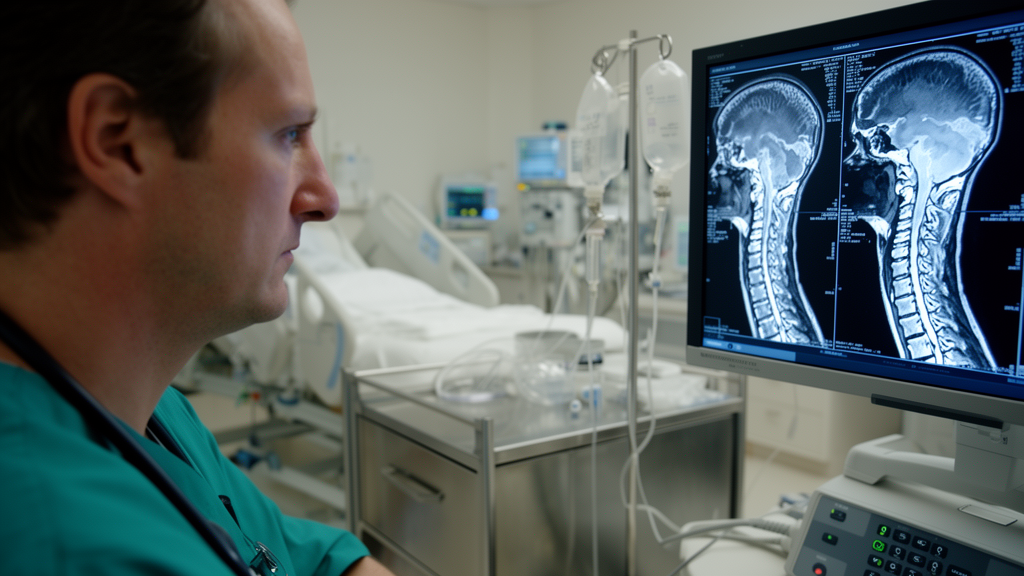
Consequently, researchers investigated whether flexible predictive models combining conventional severity scoring with acute physiological, metabolic, and therapeutic variables could provide calibrated prognostic utility for short-term intensive care survival.
The study derived its development cohort from the Medical Information Mart for Intensive Care IV database, designated as version 3.1 and distributed through PhysioNet, encompassing de-identified clinical records from adult patients admitted to Beth Israel Deaconess Medical Center in the United States between 2008 and 2022. Following the application of eligibility criteria, which identified patients using International Classification of Diseases diagnostic codes and excluded pediatric individuals under 18 years of age along with records exhibiting extensive missingness, the primary development cohort comprised 232 eligible patients. For patients with recurrent critical care encounters, only the initial intensive care unit admission was analyzed. Candidate predictors were systematically abstracted from electronic health records within the first 24 hours of critical care admission, establishing an observation window designed to evaluate baseline physiological status and therapeutic requirements during the earliest phase of acute intensive management.
Data extraction was conducted via Structured Query Language queries for the derivation database and manual verification from institutional medical records for the validation cohort, ensuring complete variable capture without missing values in the Chinese cohort. Ethical approval was formally granted by the institutional review boards of Beth Israel Deaconess Medical Center and the Ethics Committee of the Second Hospital of Shanxi Medical University under approval number 2026 YX 071, with both oversight committees waiving individual written informed consent due to retrospective study designs involving de-identified health data in compliance with the Declaration of Helsinki.
Comparative evaluation between the development and external validation populations revealed pronounced baseline differences in clinical characteristics, disease severity, and outcome prevalence. The observed 28-day mortality was significantly higher in the Shanxi external validation cohort at 32.4 percent, representing 68 deaths among 210 patients, compared with 19.0 percent in the derivation cohort, representing 44 deaths among 232 patients, yielding a statistically significant difference with an absolute standardized mean difference of 0.311. Median patient age was relatively comparable across both cohorts, recorded at 63 years in the development cohort and 64 years in the external cohort, with male patients predominating in both groups at 77.6 percent and 71.4 percent, respectively. Baseline severity scores reflected modest elevation in the external cohort, displaying a median Acute Physiology and Chronic Health Evaluation II score of 15.5 compared to 14.0 in the derivation sample, and median Acute Physiology Score III values of 39 compared to 36.
Additional physiological and biochemical measurements collected during the initial 24-hour critical care monitoring window demonstrated clear clinical heterogeneity between the two study populations. Statistically significant variations appeared across multiple laboratory and systemic parameters, including base excess, serum creatinine, blood urea nitrogen, arterial lactate, activated partial thromboplastin time, Sequential Organ Failure Assessment scores, and Glasgow Coma Scale evaluations. Mechanical ventilation support was exceptionally common across both groups, administered to 90.1 percent of development patients and 89.5 percent of external validation patients, reflecting the profound respiratory compromise frequently accompanying traumatic cervical cord injuries. Vasoactive pharmacological support was administered to 49.1 percent of patients in the development cohort and 55.7 percent in the external cohort, with norepinephrine specifically utilized in 26.3 percent and 31.4 percent of admissions, while phenylephrine infusions were recorded in 32.3 percent and 34.3 percent of cases, respectively.
Model training and feature selection procedures operated under a structured analytical protocol designed to minimize data leakage and overfitting. The 232-patient development cohort was partitioned using a mortality-stratified 70-to-30 ratio, allocating 163 patients containing 31 deaths to the training set and 69 patients containing 13 deaths to an internal test set. To address variable selection across 45 initial candidate predictors, investigators implemented a nested feature selection framework combining recursive feature elimination and the Boruta algorithm within five repetitions of ten-fold cross-validation confined entirely to the training partition. Synthetic minority over-sampling technique adjustments and normalization parameters were restricted strictly to the inner training folds without contaminating internal testing or external validation data. When applied to the complete 163-patient training partition, recursive feature elimination selected 23 parameters, whose intersection with confirmed Boruta features isolated an optimal subset of 11 final predictors: Acute Physiology and Chronic Health Evaluation II, Acute Physiology Score III, body temperature, age, blood glucose, bicarbonate, base excess, norepinephrine administration, arterial pH, heart rate, and serum lactate.
Eight distinct supervised machine learning algorithms were trained and benchmarked on this unified 11-predictor subset, including logistic regression, a radial-kernel support vector machine, gradient boosting machine, extreme gradient boosting, categorical boosting, adaptive boosting, an artificial neural network, and k-nearest neighbors. Model discrimination was evaluated primarily through the area under the receiver operating characteristic curve, using DeLong’s method to calculate 95 percent confidence intervals, alongside sensitivity, specificity, precision, accuracy, and F1 score determined by maximizing Youden’s index within each respective dataset. In the resampled training partition, k-nearest neighbors achieved an apparent area under the curve of 1.000, indicative of substantial model overfitting, whereas neural network and gradient boosting models recorded training areas under the curve of 0.962 and 0.953.
Upon evaluation within the independent 69-patient internal test cohort, the support vector machine demonstrated the highest discriminative capacity, yielding an area under the curve of 0.956 with a 95 percent confidence interval spanning 0.895 to 1.000. Other sophisticated modeling approaches displayed robust internal discrimination, including gradient boosting with an area under the curve of 0.949, multivariable logistic regression at 0.948, and categorical boosting at 0.942, while k-nearest neighbors experienced a severe performance drop to an area under the curve of 0.567. At its optimal Youden cutoff, the support vector machine achieved an internal test accuracy of 0.971, sensitivity of 0.846, specificity of 1.000, precision of 1.000, and an F1 score of 0.917. Decision curve analysis exploratory evaluations demonstrated positive net benefit across diverse threshold probabilities, and calibration plots were examined to assess concordance between predicted risks and observed mortality events.
When challenged with the entirely independent external validation cohort of 210 patients from Shanxi, all algorithms demonstrated attenuated discriminative capacity relative to derivation estimates, reflecting clinical domain shifts across distinct international healthcare environments. The support vector machine retained the highest observed discrimination among all candidates, achieving an external area under the curve of 0.738 with a 95 percent confidence interval from 0.664 to 0.812. Ensemble learning algorithms exhibited closely clustered performance, with categorical boosting yielding an area under the curve of 0.727, extreme gradient boosting achieving 0.722, and gradient boosting reaching 0.721, whereas adaptive boosting recorded the lowest observed discrimination at 0.650. At the cohort-specific Youden cutoff, the external validation support vector machine produced an accuracy of 0.757, sensitivity of 0.544, specificity of 0.859, precision of 0.649, and an F1 score of 0.592, accompanied by an exploratory calibration slope of 0.626 from saved probability outputs.
To overcome algorithmic opacity and delineate the physiological drivers governing individual predictions, investigators applied the Shapley Additive Explanations framework to the top-performing support vector machine model. Global feature importance rankings established that predictions were predominantly driven by Acute Physiology and Chronic Health Evaluation II, Acute Physiology Score III, patient age, norepinephrine infusion, and body temperature. Directional beeswarm plots revealed that elevated severity scores, advanced age, lower arterial pH, reduced serum bicarbonate, deeply negative base excess, and hyperlactatemia contributed positive Shapley values corresponding to increased predicted mortality risk. The authors emphasized that while these biological markers align with known pathophysiological derangements of neurogenic shock and tissue hypoperfusion, the retrospective nature, absence of detailed neurological impairment grading, limited sample size, and single-center external validation necessitate prospective multicenter validation before clinical deployment.
Subject of Research: Machine learning prediction of 28-day mortality in critically ill cervical spinal cord injury patients
Article Title: Interpretable machine learning for predicting 28-day mortality after cervical spinal cord injury: development and external validation
Article References: Wang, C., & Zhang, W. (2026). Interpretable machine learning for predicting 28-day mortality after cervical spinal cord injury: development and external validation. Frontiers in Neurology, 17, Article 1955966. https://doi.org/10.3389/fneur.2026.1955966
Image Credits: AI Generated
DOI: 10.3389/fneur.2026.1955966
Keywords: cervical spinal cord injury, intensive care unit, machine learning, support vector machine, 28-day mortality, MIMIC-IV database, prognostic modeling, external validation, APACHE II, Acute Physiology Score III, Shapley additive explanations, recursive feature elimination, Boruta algorithm, neurogenic shock, norepinephrine, arterial blood gas, lactate, decision curve analysis
News Source: Teresa Odom. (November 12, 2026). Machine Learning Model Predicts Cervical Spinal Cord Injury Intensive Care Mortality. Scienmag.