Adult patients undergoing awake craniotomy for gliomas in language-eloquent areas retained the ability to execute task-specific signed responses during cortical stimulation-induced speech arrest, according to a prospective pilot study published in Acta Neurochirurgica. In all seven analyzed cases, direct electrical stimulation applied to the dominant hemisphere halted spoken output without preventing participants from delivering accurate and clinically interpretable sign language movements across intraoperative tasks.
Preserving language function represents a primary clinical objective during awake craniotomy when surgical resections involve language-eloquent cortical regions. Conventional intraoperative mapping protocols depend predominantly on monitoring spoken language output, which electrical stimulation transiently arrests or disrupts during functional evaluation. How alternative communication modalities behave under these specific disruptive testing conditions had previously remained largely unexplored in neurosurgical settings.
To investigate whether recently acquired motor communication could remain intact during speech arrest, researchers established a structured 15-day preoperative Catalan Sign Language (LSC, Llengua de Signes Catalana) training programme. Seven adult patients diagnosed with gliomas in language-eloquent regions of the dominant hemisphere completed the curriculum. Each participant was required to undergo predefined comprehension and production assessments to confirm sign language acquisition prior to their awake surgical procedure.
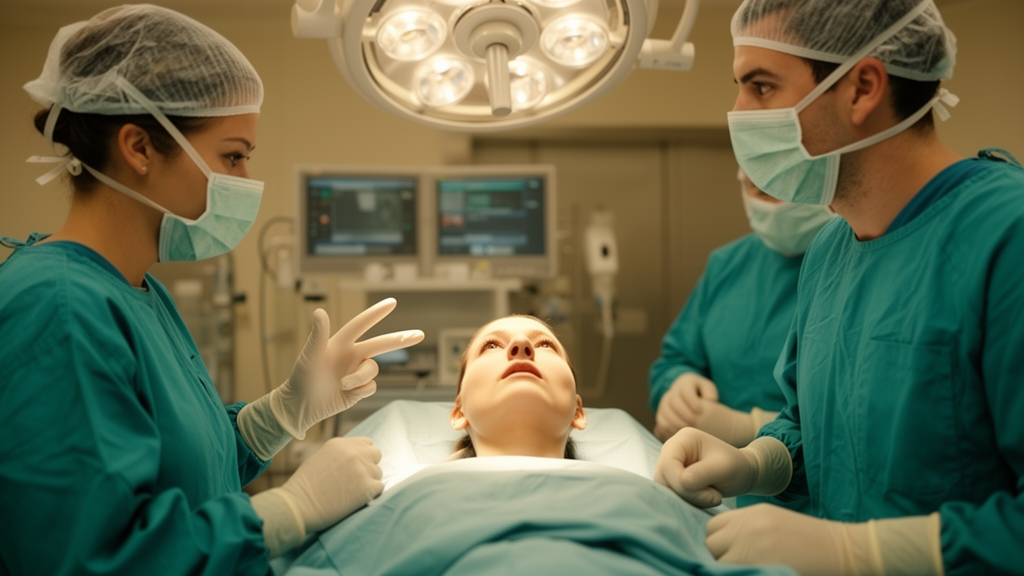
During the awake craniotomy, surgical teams delivered direct electrical cortical stimulation to perform functional language mapping while patients engaged in both spoken and signed testing tasks. The investigation established a specific primary outcome: the patient’s capacity to execute task-specific signed responses while undergoing stimulation-induced speech arrest. Cortical stimulation reliably provoked speech arrest across every subject, providing direct conditions to evaluate manual signing against oral verbal arrest.
Throughout every instance of stimulation-induced speech arrest, all seven patients maintained accurate and clinically interpretable signed responses across all administered tasks. Furthermore, the functional testing protocol demonstrated a favorable procedural safety profile within the cohort. The surgical and research teams observed no intraoperative seizures and no protocol-related adverse events during testing.
The investigators emphasized that while direct electrical disruption of spoken language did not block recently acquired signed responses under the tested conditions, the findings must be interpreted with caution. Due to the exploratory nature of the pilot design and the strictly task-specific scope of the 15-day training, these observations do not establish postoperative communicative efficacy or justify modifications to current surgical decision-making. The authors noted that further research is required to evaluate whether the preservation of signed communication carries broader clinical relevance for awake craniotomy patients.
Subject of Research: Intraoperative sign language execution during stimulation-induced speech arrest in awake craniotomy
Article Title: Preoperative sign language acquisition in patients undergoing awake craniotomy: a prospective pilot study
Article References: Gómez-Roca, N., Lafée, A., Ferres, A., Vilas-Riotorto, V., Tercero-Uribe, A., Di Somma, A., & González, J. J. (2026). Preoperative sign language acquisition in patients undergoing awake craniotomy: a prospective pilot study. Acta Neurochirurgica. https://doi.org/10.1007/s00701-026-07026-8
Image Credits: AI Generated
DOI: 10.1007/s00701-026-07026-8
Keywords: awake craniotomy, cortical stimulation, speech arrest, Catalan Sign Language, Llengua de Signes Catalana, intraoperative language mapping, language-eloquent regions, dominant hemisphere, glioma, direct electrical stimulation, signed responses, prospective pilot study, preoperative training, spoken language tasks, intraoperative functional testing, alternative communication systems, Acta Neurochirurgica
News Source: Ophelia Keating. (November 12, 2026). Awake Craniotomy Patients Maintain Signed Responses During Speech Arrest in Pilot Study. Scienmag.