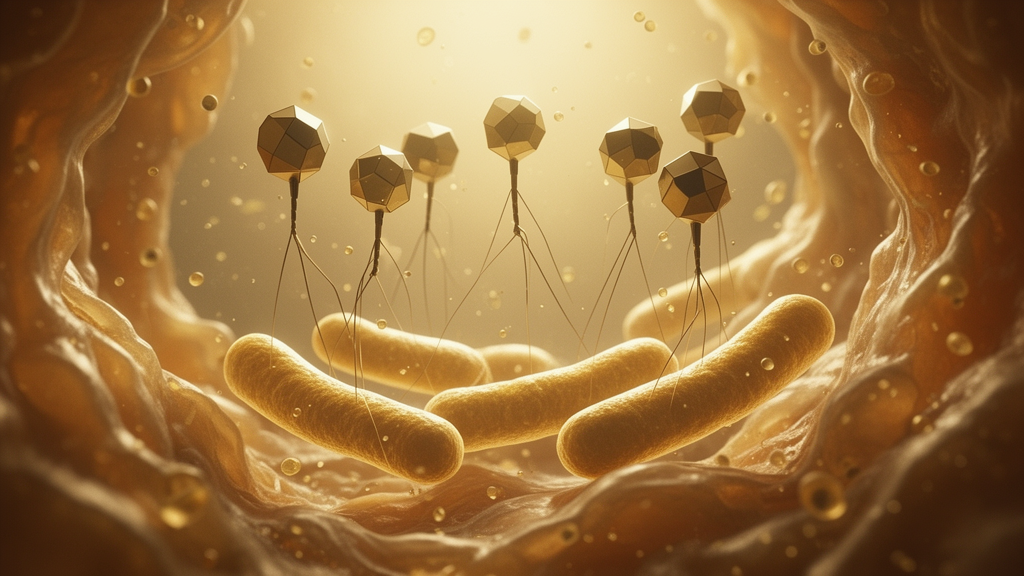
A large-scale metagenomic investigation of bee gut microbiomes across China has identified 121 viral operational taxonomic units, demonstrating that bacteriophage communities inhabiting bee digestive tracts are dominated by the class Caudoviricetes and exhibit distinct spatial structuring alongside marked host specificity. Conducted by researchers examining seven distinct bee species, the newly reported study provides a comprehensive ecological baseline for understanding the diversity, functional genetic potential, and broad geographic distribution of viruses that infect bacteria residing within bee digestive systems.
Despite their recognized importance in shaping microbial community dynamics, the ecological distribution, taxonomic diversity, and specific functional roles of phages within the bee gut have remained largely unexplored. This gap in scientific understanding has been especially pronounced regarding how phage populations vary across diverse bee species and across broad, contrasting geographic regions.
To investigate these unanswered ecological questions, the research team analyzed an extensive metagenomic dataset generated from 132 individual bee gut metagenomes collected from seven distinct bee species distributed across China. Through detailed computational analysis of the sequencing data, the investigators successfully recovered 121 viral operational taxonomic units. The taxonomic assessment revealed that these bee gut phage assemblages are overwhelmingly dominated by members of the class Caudoviricetes, while simultaneously revealing a substantial number of previously uncharacterized viral lineages that expand known viral diversity.
Biogeographic analyses demonstrated that phage assemblages in the bee digestive tract are not uniformly distributed but instead exhibit marked spatial organization across geographic regions. The research team identified clear evidence of spatial structuring within the viral populations, documenting ecological patterns such as a latitudinal diversity gradient and a distance–decay relationship. These biogeographic observations demonstrate that the composition and diversity of bee gut viral communities change systematically across geographical latitudes and experience steady compositional divergence as physical distance between bee populations increases.
To uncover the primary ecological drivers behind this observed community variation, the researchers performed variation partitioning analysis to compare the relative influence of host identity against ambient environmental conditions. The analytical results indicated that bee host identity explained a substantially larger proportion of community variation in phage assemblages than external environmental factors.
Functional annotation of the recovered viral genomic sequences further revealed that bee gut bacteriophages encode diverse metabolic capabilities that extend beyond basic viral replication. Specifically, the phages were found to carry genetic sequences for various carbohydrate-active enzymes, commonly designated as CAZymes, which are potentially involved in the metabolism and breakdown of complex polysaccharides. The presence of these enzymatic genes suggests that bacteriophages carry functional potential that may directly influence bacterial carbohydrate metabolism within the bee digestive environment.
In addition to carbohydrate-active metabolic enzymes, the functional profiling identified multiple anti-defense systems encoded within the phage genomes that specifically target bacterial antiviral mechanisms. The identification of these systems highlights the active ecological and immunological interactions taking place between bacteriophages and their bacterial hosts inside the bee gut.
The study authors concluded that bee gut bacteriophages display distinct biogeographic structuring and pronounced host specificity while carrying functional genes capable of modulating bacterial metabolism and host–microbe interactions. Ultimately, the research highlights the critical importance of phages in shaping complex tripartite interactions connecting bacteriophages, bacterial symbionts, and their bee hosts.
Subject of Research: Bee gut bacteriophage diversity and biogeography
Article Title: Metagenomics reveals biogeography and functional potential of phage communities in bee gut
Article References: Zhang, Z., Yang, F., Zhang, Z., Liu, F., Zhuang, M., & Li, J. (2026). Metagenomics reveals biogeography and functional potential of phage communities in bee gut. Animal Microbiome, 8(1), Article 112. https://doi.org/10.1186/s42523-026-00599-w
Image Credits: AI Generated
DOI: 10.1186/s42523-026-00599-w
Keywords: bacteriophages, bee gut microbiome, metagenomics, Caudoviricetes, biogeography, host specificity, CAZymes, microbial ecology, reveals, functional, potential, phage
News Source: Morgan Morrow. (November 10, 2026). Bee Gut Phages Exhibit Host Specificity and Geographic Structuring Across China. Scienmag.