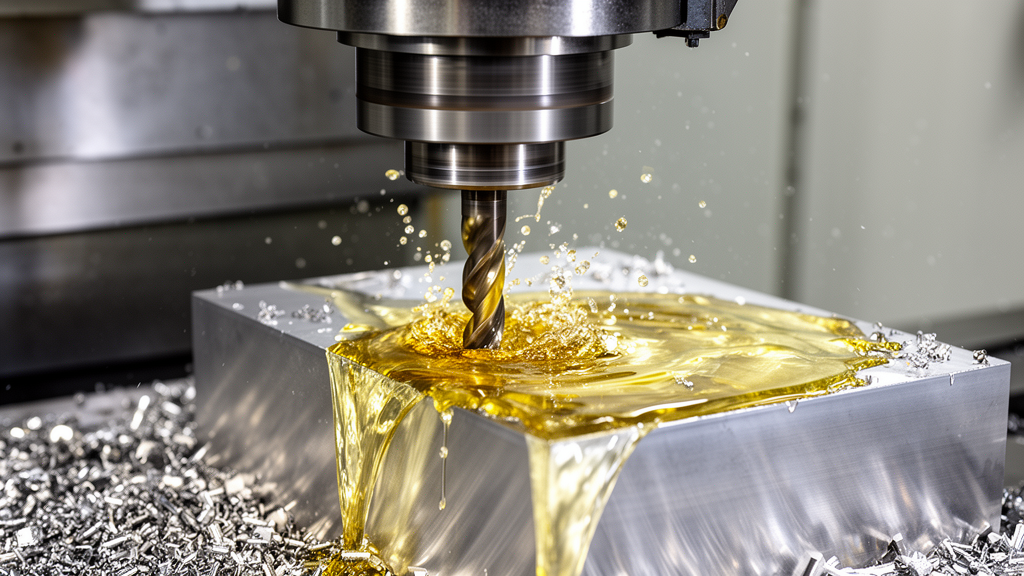
Researchers have demonstrated that refined sunflower oil serves as a technically viable and eco-conscious dielectric medium for electro discharge machining (EDM) of SS304 stainless steel. The study, published in Discover Applied Sciences, indicates that this plant-based fluid offers improved machining productivity and better post-machining chemical stability compared to conventional mineral-based EDM oil. By replacing petroleum-based fluids with an environmentally friendly alternative, the team aimed to enhance machining performance while minimizing environmental impact.
The experimental design focused on comparing the performance of refined sunflower oil against standard mineral-based EDM oil. The researchers utilized an orthogonal array of L16 to systematically vary key machining parameters, including discharge current, gap voltage, and pulse-on time. This structured approach allowed for a detailed analysis of how each factor influenced the machining outcomes. The study type is an experimental investigation into the effects of dielectric medium selection on machining response variables.
The primary machining responses analyzed were the Material Removal Rate (MRR) and the Depth of Cut (DoC). The results showed a clear advantage for the sunflower oil medium. The highest MRR rose from 33.33 mm3/min when using conventional EDM oil to 39.08 mm3/min when using sunflower oil. Similarly, the highest DoC increased from 4.24 mm to 4.975 mm. These numerical improvements indicate that the plant-based fluid facilitates a more effective removal of material from the workpiece under the tested conditions.
Further statistical analysis using the Taguchi Signal-to-Noise ratio and Analysis of Variance (ANOVA) revealed shifts in the dominant control factors. When using conventional EDM oil, pulse-on time was the primary factor influencing the machining response. However, when sunflower oil was employed, the dominant control factor changed to discharge current. The analysis indicated that discharge current was responsible for about 43% of the variation in both MRR and DoC when using sunflower oil.
Based on the statistical models, the researchers predicted an optimal setting for the sunflower oil process. This optimal configuration involved a discharge current of 35 A, a gap voltage of 50 V, and a pulse-on time of 400 µs. Under these predicted conditions, the model estimated an MRR of 42.62 mm3/min and a DoC of 5.42 mm. These predicted values further highlight the potential productivity gains associated with the use of refined sunflower oil.
To investigate the dielectric behavior and chemical stability of the fluids, the team employed Fourier Transform Infrared Spectroscopy (FTIR). The FTIR results revealed higher retention of functional groups typical of triglycerides in the sunflower oil after the machining process. This observation suggests that the sunflower oil maintained its chemical structure more effectively than the mineral oil.
The study also examined the environmental impact of the dielectric fluids through Inductively Coupled Plasma Optical Emission Spectrometry (ICP-OES). This analysis measured the concentration levels of selected metallic contaminants in the spent oil media. The results showed lower concentrations of metals including lead (Pb), zinc (Zn), copper (Cu), aluminium (Al), cobalt (Co), and manganese (Mn) in the spent sunflower oil compared to the mineral oil. This finding is significant for sustainable manufacturing, as it indicates that the plant-based fluid may generate less trace-metal contamination.
The surface morphology of the machined parts was investigated using Scanning Electron Microscopy (SEM). The study concludes that refined sunflower oil is a technically viable eco-conscious dielectric candidate for EDM of SS304. The findings are limited to the specific conditions and parameters tested in the laboratory setting.
Subject of Research: Sustainable electro discharge machining using eco-conscious dielectric media
Article Title: Sustainable electro discharge machining of aerospace materials using eco-conscious dielectric medium
Article References: Choudhari, V., Shirguppikar, S., Sargar, R., Kulkarni, A., Magdum, R., Ho, C.-C., & Barah, O. O. (2026). Sustainable electro discharge machining of aerospace materials using eco-conscious dielectric medium. Discover Applied Sciences. https://doi.org/10.1007/s42452-026-09764-x
Image Credits: AI Generated
DOI: 10.1007/s42452-026-09764-x
Keywords: electro discharge machining, sunflower oil, SS304 stainless steel, dielectric fluid, sustainable manufacturing, aerospace materials, material removal rate, FTIR analysis, ICP-OES, eco-conscious engineering, Sustainable, electro
News Source: Denise Maddox. (November 10, 2026). Sunflower Oil Boosts Machining Efficiency in Stainless Steel. Scienmag.