The study, published on 30 October 2026, addresses long-standing uncertainties regarding the circumscription of Androsace in the broad sense and the specific phylogenetic position of the section Mirabiles. By sequencing and analyzing the complete chloroplast genomes of 31 Androsace species, the team aimed to clarify interspecific relationships and identify variable genetic markers that could serve as DNA barcodes for future phylogenetic studies.
The research focused on a subset of 12 Androsace species for detailed comparative genomic analysis, which were combined with one species each of Lysimachia and Primula retrieved from the NCBI database. This approach allowed the researchers to reconstruct a robust phylogeny based on protein-coding genes. The chloroplast genomes of the 12 analyzed Androsace species exhibited a typical quadripartite structure, with lengths ranging from 147,325 to 153,359 base pairs.
In their comparative analysis, the researchers detected abundant palindromic repeats and A/T-rich simple sequence repeats, or SSRs, within the chloroplast genomes. They identified 12 highly variable regions that show promise as potential DNA barcodes for distinguishing between Androsace species.
The phylogenomic analyses provided significant insights into the taxonomic structure of Androsace. The results supported the recognition of Section Mirabiles as a distinct lineage, resolving previous ambiguities in its classification. Furthermore, the study proposed a taxonomic revision by transferring the species A. graceae to Section Samuelia.
Androsace, a genus in the family Primulaceae, comprises approximately 120 species native to temperate regions of the Northern Hemisphere. Of these, 73 species and 7 varieties are native to China, with at least 13 possessing ethnomedicinal value. The study provides reliable plastid markers and phylogenetic evidence that can facilitate taxonomic revisions and evolutionary studies of Androsace.
By providing a detailed comparative analysis of chloroplast genomes, the researchers have contributed valuable tools and insights for understanding the diversity and evolution of Androsace.
Subject of Research: Chloroplast genome comparison and phylogenomics of Androsace
Article Title: Chloroplast genome comparison and phylogenomics of Androsace s.l., insight for the phylogenetic relationship of sect. Mirabiles
Article References: Chen, S., Zhang, N., Wang, R., Hao, G., & Xu, Y. (2026). Chloroplast genome comparison and phylogenomics of Androsace s.l., insight for the phylogenetic relationship of sect. Mirabiles. BMC Plant Biology. https://doi.org/10.1186/s12870-026-10298-y
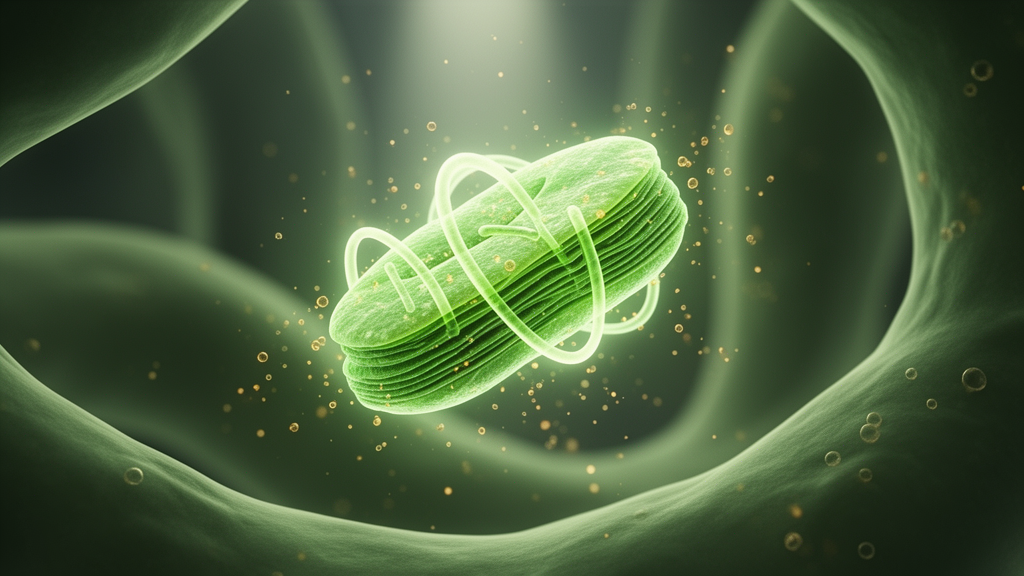
Image Credits: AI Generated
DOI: 10.1186/s12870-026-10298-y
Keywords: Androsace, Chloroplast genome, Phylogenomics, Primulaceae, DNA barcode, Plant taxonomy, Section Mirabiles, Genomic analysis, Chloroplast, genome, comparison, insight
News Source: Juliet Wilcox. (November 10, 2026). Chloroplast Genomes Clarify Androsace Phylogeny and Section Status. Scienmag.