A structured narrative review published in the Egyptian Pediatric Association Gazette synthesizes current evidence on the prevalence, determinants, health consequences, and intervention strategies for micronutrient deficiencies in African populations. The study, which integrates perspectives from food science, human nutrition, public health, and food systems, identifies iron, vitamin A, iodine, zinc, and folate deficiencies as persistent public health challenges that disproportionately affect women of reproductive age, infants, and children under five. By examining the interconnected drivers of these deficiencies, the review highlights that hidden hunger in Africa is not merely a result of isolated dietary gaps but a complex outcome of systemic weaknesses in food systems, infectious disease burdens, and socioeconomic inequalities.
The review methodology involved a systematic search of major electronic databases, including PubMed, Scopus, and Web of Science, as well as reports from international organizations such as the World Health Organization, the Food and Agriculture Organization, and UNICEF. The search covered publications from 2012 to 2026, initially identifying 152 records. After rigorous screening for eligibility and methodological quality, 65 peer-reviewed studies were included in the primary evidence synthesis. Additionally, 38 supplementary sources from recognized international bodies were incorporated to strengthen the policy and contextual interpretation, resulting in a total of 103 references cited in the final review.
Iron deficiency anemia is identified as the most widespread nutritional disorder in the region. According to World Health Organization estimates cited in the review, approximately 40% of women of reproductive age and 55% to 60% of preschool children are anemic, with prevalence surpassing 70% in some low-income settings. While anemia is multifactorial, driven by malaria, helminth infections, and hemoglobinopathies, iron deficiency accounts for the largest share of cases. This high burden is strongly linked to dietary patterns dominated by low-bioavailability plant-based staples such as maize, cassava, and sorghum, which are often high in phytates that inhibit iron absorption.
Vitamin A deficiency remains a critical concern, particularly among preschool children. Recent estimates indicate that approximately 48% of preschool-aged children in the region are vitamin A deficient, with prevalence highest in rural and resource-limited settings. This deficiency is strongly associated with impaired immune function and increased susceptibility to infectious diseases, including measles, diarrhea, and respiratory infections. Although vitamin A supplementation has been shown to reduce all-cause child mortality by up to 23%, program coverage in many high-burden African countries remains inconsistent, often falling below the global target of 80%.
Iodine deficiency persists in several African regions despite progress made through universal salt iodization programs. Disparities are most pronounced in rural, inland, and conflict-affected areas where access to adequately iodized salt is limited. The 2023 Global Iodine Scorecard reports that several African countries continue to have median urinary iodine concentrations below the World Health Organization adequacy thresholds. Pregnant women are particularly vulnerable due to increased iodine requirements for fetal brain development, and deficiency is associated with impaired cognitive development, goiter, and adverse pregnancy outcomes such as miscarriage and stillbirth.
Zinc deficiency is highly prevalent across sub-Saharan Africa, although it is less frequently measured at the national level. Dietary risk assessments suggest that more than 25% of African populations are at risk of inadequate zinc intake. Zinc is essential for cell growth, immune function, and tissue repair, making its deficiency a major contributor to growth faltering, impaired immune responses, and increased susceptibility to diarrheal diseases. Populations consuming predominantly cereal and tuber-based diets with high phytate content are particularly at risk due to the reduced bioavailability of zinc in these food matrices.
Folate deficiency, while less systematically monitored, poses a significant risk for women of reproductive age. Evidence suggests that 20% to 40% of women in this demographic have suboptimal folate levels, contributing to high rates of megaloblastic anemia and neural tube defects. Sub-Saharan Africa reports some of the highest global rates of neural tube defects, ranging from 1.5 to 6.5 per 1,000 live births. The persistence of this deficiency is largely driven by the absence of mandatory folic acid fortification in most countries and low adherence to supplementation programs during pregnancy, representing a major preventable gap in maternal nutrition policy.
The review emphasizes that these deficiencies often coexist and interact synergistically. For instance, zinc deficiency weakens immune function, while vitamin A deficiency compromises epithelial integrity; together, they significantly increase susceptibility to infections and worsen child morbidity and mortality. Similarly, iron and folate deficiencies jointly exacerbate anemia severity. This clustering reflects shared underlying drivers, including monotonous dietary patterns, high infectious disease burdens, and structural barriers to dietary diversification, which create a vicious cycle of undernutrition, infection, and poverty.
Determinants of micronutrient deficiencies are deeply rooted in Africa’s food systems. Staple foods that are cereal and tuber-dominant are energy-dense but have low bioavailable iron, zinc, and other nutrients. Anti-nutrients such as phytates decrease micronutrient absorption, while nutrient deficiencies in soil limit the micronutrient composition of crops. Environmental stresses, including drought and irregular rainfall, further intensify agricultural challenges by affecting crop productivity and food availability. Post-harvest losses and inadequate storage conditions also contribute to reductions in micronutrient availability, particularly for nutrient-sensitive foods.
Socioeconomic inequalities remain among the most powerful structural determinants of micronutrient deficiencies. Poverty severely limits dietary diversity, as food-insecure households often prioritize caloric sufficiency over nutrient quality, relying heavily on inexpensive staples. This economic constraint restricts access to micronutrient-rich foods, including eggs, dairy, meat, fruits, and vegetables. Gender inequality further compounds the burden, as intra-household food allocation practices often favor adult males, leaving women and children with disproportionately lower intake of animal-source and fortified foods. These deficits reduce workforce productivity and reinforce intergenerational cycles of poverty and undernutrition.
The health consequences of these deficiencies extend beyond immediate physiological impacts to long-term developmental and economic outcomes. Impaired physical growth and cognitive function reduce educational attainment and workforce productivity. Iron deficiency anemia alone may reduce gross domestic product by 1% to 4% each year in heavily affected African countries. Iodine deficiency can reduce intelligence quotient by 10 to 15 points, while zinc deficiency exacerbates cognitive delays and indirectly hinders school attendance. These cumulative effects manifest in reduced educational attainment, lower lifetime earnings, and decreased labor productivity, reinforcing intergenerational cycles of poverty.
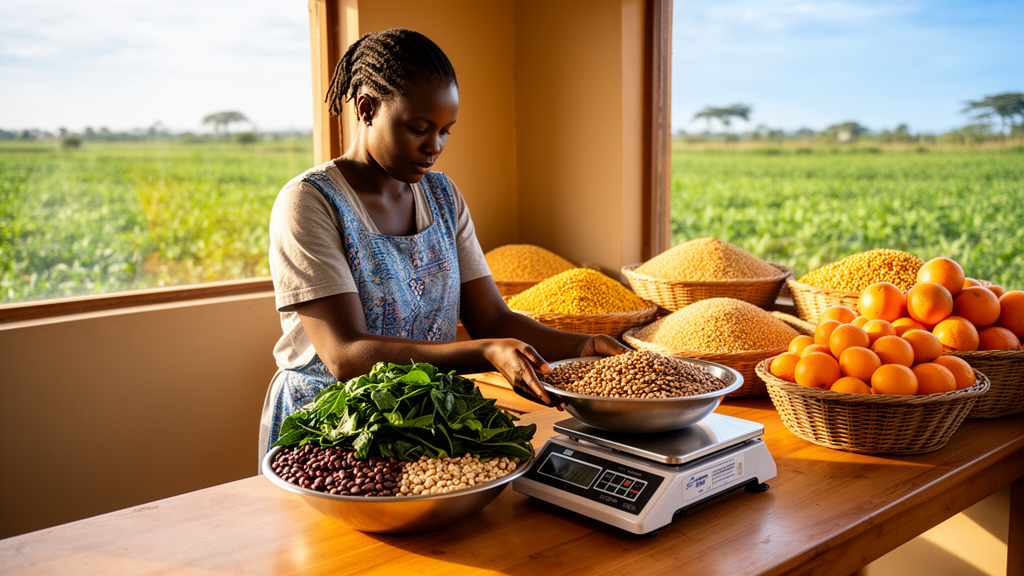
Existing interventions, including food fortification, biofortification, micronutrient supplementation, and dietary diversification, have demonstrated important benefits. Food fortification, both mandatory and voluntary, has shown measurable success in enhancing nutritional status when integrated with robust program design and quality assurance. Biofortification, which involves breeding staple crops to increase micronutrient content, offers a sustainable strategy for rural populations with limited access to commercially fortified foods. Examples include orange-fleshed sweet potatoes, iron-rich beans, and zinc-enriched maize. However, the effectiveness of these interventions is constrained by weak health systems, poor policy implementation, and limited coverage.
The review concludes that addressing micronutrient deficiencies in Africa requires integrated, multisectoral strategies that combine food system transformation, public health interventions, nutrition education, and strong governance frameworks. Future research should prioritize longitudinal and nationally representative studies, standardize biomarkers and assessment methods, and evaluate the effectiveness and scalability of integrated nutrition interventions. Strengthening national micronutrient surveillance systems and generating context-specific evidence will be essential to support evidence-based policies and improve long-term health and development outcomes across the continent.
Beyond general agricultural pressures, specific soil characteristics directly constrain nutrient density in regional food systems. Highly weathered tropical soils, such as lateritic profiles, exhibit low nutrient retention due to intensive leaching, while alkaline conditions reduce the chemical availability and plant uptake of iron and zinc. In response, food science innovations offer targeted methods to minimize micronutrient losses throughout post-harvest handling and preparation. Microencapsulation, nanoemulsions, and controlled-release systems protect heat-sensitive vitamins and stabilize added nutrients during cooking and storage. Additionally, household and artisanal techniques such as the fermentation and germination of cereal and legume crops break down phytates and polyphenols, substantially enhancing the bioavailability of dietary iron and zinc.
The burden of deficiency is further aggravated by distinct pathophysiological interactions with prevalent infectious diseases. Malaria directly accelerates iron depletion through hemolysis and systemic inflammation, while intestinal helminth infections cause chronic mucosal blood loss that worsens clinical anemia. Concurrently, diarrheal episodes impede zinc absorption and accelerate trace mineral excretion in young children. Localized clinical surveys reflect this complex landscape; for example, data from rural Madagascar revealed deficiency rates of 66.5% for zinc, 15.6% for vitamin B12, and 11.6% for vitamin A. Across Eastern and Southern Africa, UNICEF assessments indicate that more than half of all children experience essential vitamin and mineral deficits.
Methodological constraints within the existing literature also temper clinical interpretation. Because the authors conducted a structured narrative review rather than a systematic meta-analysis, no formal risk-of-bias scoring was executed across the compiled evidence. A substantial proportion of available regional studies rely on cross-sectional designs and localized samples, restricting geographic generalizability. Furthermore, significant heterogeneity in biomarker selection and diagnostic thresholds complicates direct comparisons, while an absence of longitudinal tracking leaves seasonal fluctuations and causal pathways incompletely characterized. On a systemic level, public health interventions continue to be hampered by weak regulatory enforcement, frequent supply chain interruptions, and insufficient coordination among agricultural, educational, and social protection programs.
Subject of Research: Integrated review of micronutrient deficiencies in Africa
Article Title: Micronutrient deficiencies in Africa: an integrated review of determinants, health impacts, and intervention strategies
Article References: Abrham, Y. (2026). Micronutrient deficiencies in Africa: an integrated review of determinants, health impacts, and intervention strategies. Egyptian Pediatric Association Gazette, 74(1), Article 96. https://doi.org/10.1186/s43054-026-00603-7
Image Credits: AI Generated
DOI: 10.1186/s43054-026-00603-7
Keywords: Micronutrient deficiencies, Africa, Public health, Nutrition, Iron deficiency, Vitamin A, Zinc deficiency, Food fortification, Biofortification, Hidden hunger, Micronutrient, deficiencies
News Source: Daisy Hatcher. (November 10, 2026). Integrated Review Maps Africa’s Micronutrient Deficiency Crisis. Scienmag.