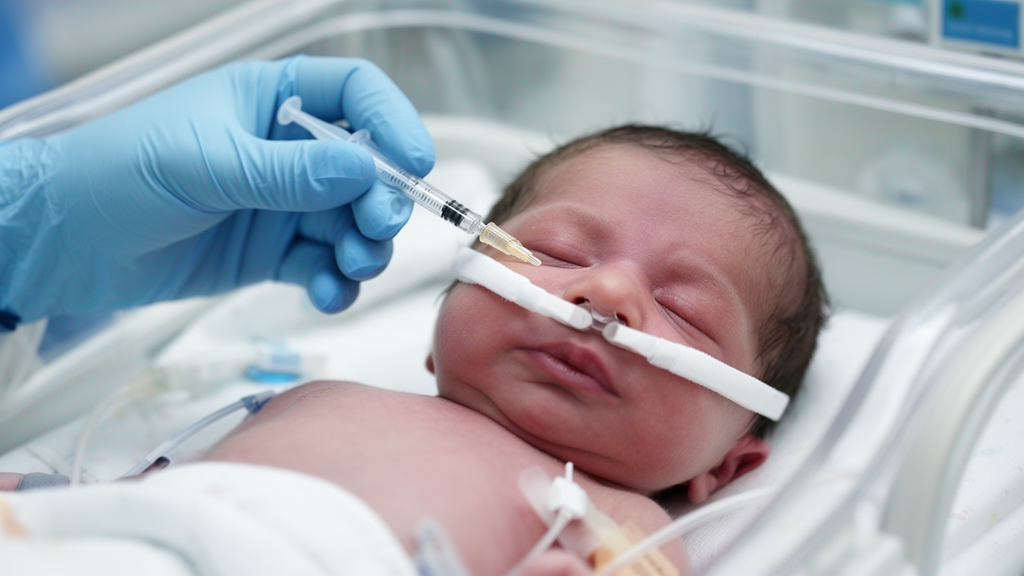
A multicenter observational study conducted in neonatal intensive care units across Saudi Arabia has determined that bedside intravitreal ranibizumab injections for retinopathy of prematurity are associated with a low incidence of transient intraprocedural hypoxia and no severe oxygen desaturation events. Investigating the short-term physiological safety profile of anti-vascular endothelial growth factor injections administered at the bedside, researchers examined 74 premature infants receiving treatment under topical anesthesia. The investigators observed that while procedure-related oxygen desaturation occurred in 16.2 percent of the cohort, the episodes were exclusively mild or moderate and resolved promptly, with procedural intervention required in only 4.1 percent of infants and without permanent adverse sequelae.
Retinopathy of prematurity represents a vaso-proliferative retinal disorder that develops in premature infants and continues to stand as a leading preventable cause of childhood blindness across the globe. Although advances in neonatal intensive care units have dramatically improved the survival rates of extremely premature and very-low-birth-weight neonates, these clinical achievements have concurrently increased the population of infants vulnerable to developing treatment-requiring stages of the disease. While peripheral retinal ablation through laser photocoagulation historically served as the definitive therapeutic standard for type 1 disease, laser application permanently destroys peripheral retinal tissue, induces visual field constriction, and frequently leads to severe myopia, prompting the widespread clinical adoption of anti-vascular endothelial growth factor agents such as ranibizumab as targeted ocular therapies.
Despite the recognized anatomical benefits and widespread adoption of intravitreal pharmacotherapy, premature infants remain exceptionally vulnerable to acute physiological stress during bedside ophthalmic interventions. Manipulating delicate ocular tissues, inserting eyelid speculums, and administering intravitreal injections can trigger transient cardiorespiratory disturbances, including oxygen desaturation, central apnea, or bradycardia, even when procedures are carried out using topical anesthesia rather than systemic sedation. Prior clinical research has focused extensively on structural retinal regression, recurrence intervals, refractive development, and systemic vascular endothelial growth factor suppression, leaving the direct incidence, clinical severity, and specific risk factors of intraprocedural cardiorespiratory instability during bedside anti-VEGF injections comparatively uncharacterized in neonatal literature.
To address this clinical knowledge gap, a collaborative research team analyzed records from premature infants diagnosed with treatment-requiring retinopathy of prematurity who underwent bedside intravitreal ranibizumab administration between July 2020 and June 2026 across multiple neonatal intensive care units in the Al Qassim region of Saudi Arabia. The multicenter retrospective observational protocol included infants who possessed complete procedural monitoring records and verified post-treatment follow-up assessments. To prevent confounding factors that could independently alter oxygen saturation levels during the procedure, the clinicians systematically excluded infants documented to have major congenital anomalies affecting cardiorespiratory function, bronchopulmonary dysplasia, intraventricular hemorrhage, patent ductus arteriosus, or respiratory distress syndrome that required surfactant therapy.
All surgical procedures evaluated in the study were conducted directly at the patient bedside in neonatal intensive care units by an experienced vitreoretinal surgeon utilizing a standardized injection protocol based on the SAFER-ROP recommendations. Topical ocular anesthesia was established before each intervention using tetracaine 1 percent drops, followed by surface disinfection with 5 percent povidone-iodine. Under sterile conditions, the surgeon injected a 0.25 milligram dose of ranibizumab in a 0.025 milliliter volume through the pars plicata using a 32-gauge, 4-millimeter needle positioned approximately 0.75 to 1.0 millimeter posterior to the corneal limbus. Continuous pulse oximetry monitoring was maintained throughout the administration and continued for a minimum of 30 minutes following completion, while neonatal supportive measures and resuscitation equipment stood immediately available at the bedside.
The study protocol evaluated continuous peripheral oxygen saturation to classify hypoxic events into rigorous operational tiers, defining normal saturation as 90 percent or higher, mild hypoxia as saturation between 85 and 89 percent, moderate hypoxia as saturation between 80 and 84 percent, and severe hypoxia as saturation dropping below 80 percent. Among the 74 enrolled infants, who had a mean gestational age of 27.5 weeks, a mean birth weight of 986.8 grams, and a mean postmenstrual age of 36.6 weeks at intervention, intraprocedural hypoxia was recorded in 12 infants, corresponding to 16.2 percent of the study population with a 95 percent confidence interval ranging from 8.7 to 26.6 percent. Mild desaturation accounted for 10 of these cases, representing 13.5 percent of infants, while moderate desaturation occurred in 2 infants, representing 2.7 percent, with zero occurrences of severe hypoxia below 80 percent.
Investigating the physiological and demographic factors linked to oxygen desaturation, researchers identified clear statistical distinctions between infants who maintained normal oxygen levels and those who experienced intraprocedural hypoxia. Neonates who developed hypoxic episodes exhibited significantly lower mean gestational age compared to infants without desaturation, averaging 25.6 weeks versus 27.9 weeks, as well as significantly lower mean birth weight, averaging 748.8 grams compared to 1032.9 grams. Spearman rank correlation testing demonstrated moderate negative correlations between hypoxia and both gestational age and birth weight, whereas maternal age, injection laterality, and postmenstrual age at the time of treatment showed no statistically significant association with procedural desaturation.
Univariate logistic regression analysis reinforced these observations, demonstrating that lower gestational age carried an odds ratio of 0.51 with a 95 percent confidence interval of 0.35 to 0.76, while lower birth weight yielded an odds ratio of 0.991 per gram increase with a confidence interval of 0.984 to 0.997. Longer duration of supplemental oxygen therapy was also significantly associated with hypoxic events in univariate modeling, presenting an odds ratio of 1.35 with a confidence interval of 1.03 to 1.77. However, when the investigators conducted multivariable ordinal logistic regression to evaluate independent determinants of increasing hypoxia severity, birth weight emerged as the sole independent predictor, showing an adjusted odds ratio of 0.992 with a 95 percent confidence interval of 0.984 to 1.000, while duration of supplemental oxygen and gestational age did not retain independent statistical significance.
Longitudinal ophthalmic outcomes documented over follow-up periods spanning at least 3 to 6 months demonstrated effective disease control across the multicenter cohort following bedside intervention. Complete regression of retinopathy of prematurity was achieved in 60 infants, representing 81.1 percent of the population, whereas 4 infants required a repeat intravitreal injection of ranibizumab and 10 infants underwent adjunctive laser photocoagulation to manage persistent or recurrent retinal changes. A total of 58 infants experienced no ocular complications during subsequent follow-up, while documented ocular complications in the remaining cohort included disease progression or reactivation in 8 infants, peripheral retinal avascularity in 3 infants, myopia in 2 infants, tractional retinal detachment requiring pars plana vitrectomy in 2 infants, and cataract formation in 1 infant.
The study authors highlighted several methodological considerations and limitations inherent to their multicenter investigation. The retrospective observational design remains susceptible to selection bias and variations in historical chart documentation, while the total cohort of 74 patients and 12 recorded hypoxic events reduced the statistical power of multivariable regression models, introducing potential sparse-event bias. Furthermore, the absence of an active comparative cohort receiving primary laser photocoagulation or alternative anti-VEGF agents precluded relative safety comparisons between treatment modalities, and evaluations were restricted to acute periprocedural cardiorespiratory responses. Nevertheless, the researchers concluded that bedside intravitreal ranibizumab under topical anesthesia demonstrates short-term cardiorespiratory safety, while emphasizing that continuous physiological monitoring remains critical for premature infants, particularly those born with extremely low birth weight.
The 74 participants analyzed in the investigation were drawn from an initial screening cohort of 1,430 premature infants evaluated across regional neonatal units. Male infants comprised 54.1 percent of the study group and female infants accounted for 45.9 percent. The mean postmenstrual age at initial retinopathy diagnosis was 35.3 weeks, with the cohort having received an average of 8.8 weeks of supplemental oxygen therapy. Advanced retinal pathology predominated across the treated neonates: 73 infants presented with stage 3 disease and one infant had stage 2, with plus disease confirmed in every patient. In addition, 58 infants had zone II retinopathy, while 16 presented with zone I involvement. Although bilateral injections were administered to 63 infants and unilateral injections to 11, the study protocol analyzed only the first-injected right eye in bilateral sessions to preserve analytical independence.
Beyond neonatal developmental metrics, the research team examined multiple maternal and perinatal factors to assess potential contributors to intraprocedural desaturation. Maternal variables, including maternal age, pregnancy-induced hypertension, diabetes mellitus, premature rupture of membranes, prenatal infection, twin pregnancy, and parental consanguinity, demonstrated no statistically significant differences between infants who experienced hypoxia and those who maintained stable oxygenation. While prolonged oxygen therapy correlated with desaturation in univariate testing, its significance disappeared after controlling for other neonatal variables, suggesting that oxygen exposure reflects broader clinical immaturity rather than an independent driver of procedural hypoxia. The authors noted that infants born at earlier gestations and lower birth weights possess immature respiratory control mechanisms, diminished pulmonary reserve, and reduced autonomic stability, rendering them uniquely vulnerable to procedural stress during bedside ophthalmic interventions.
The broader clinical context also highlights the therapeutic rationale for selecting ranibizumab over alternative anti-vascular endothelial growth factor agents. The compound exhibits a shorter systemic half-life and lower systemic suppression of circulating vascular endothelial growth factor compared with bevacizumab, thereby reducing drug exposure in fragile infants while achieving effective retinal regression. Furthermore, post-treatment protocols in the study ensured structured monitoring, with neonatal surveillance performed weekly or biweekly depending on disease activity and post-discharge evaluations continuing for at least three to six months.
Subject of Research: Periprocedural hypoxia incidence and associated risk factors during bedside intravitreal ranibizumab injections for retinopathy of prematurity
Article Title: Incidence rate and factors associated with periprocedural hypoxia during bedside intravitreal ranibizumab injection for retinopathy of prematurity: a multicenter retrospective study
Article References: Al-Hadlaq, A. M., Nagy, W. M. A., & Elwan, S. A. M. (2026). Incidence rate and factors associated with periprocedural hypoxia during bedside intravitreal ranibizumab injection for retinopathy of prematurity: a multicenter retrospective study. BMC Ophthalmology, 26(1), Article 745. https://doi.org/10.1186/s12886-026-05452-x
Image Credits: AI Generated
DOI: 10.1186/s12886-026-05452-x
Keywords: retinopathy of prematurity, ranibizumab, neonatal intensive care, periprocedural hypoxia, anti-VEGF therapy, pulse oximetry, birth weight, pediatric ophthalmology, Incidence, rate, factors, associated
News Source: Harold Sullivan. (November 9, 2026). Study Evaluates Hypoxia Risks During Bedside Eye Injections for Premature Infants. Scienmag.