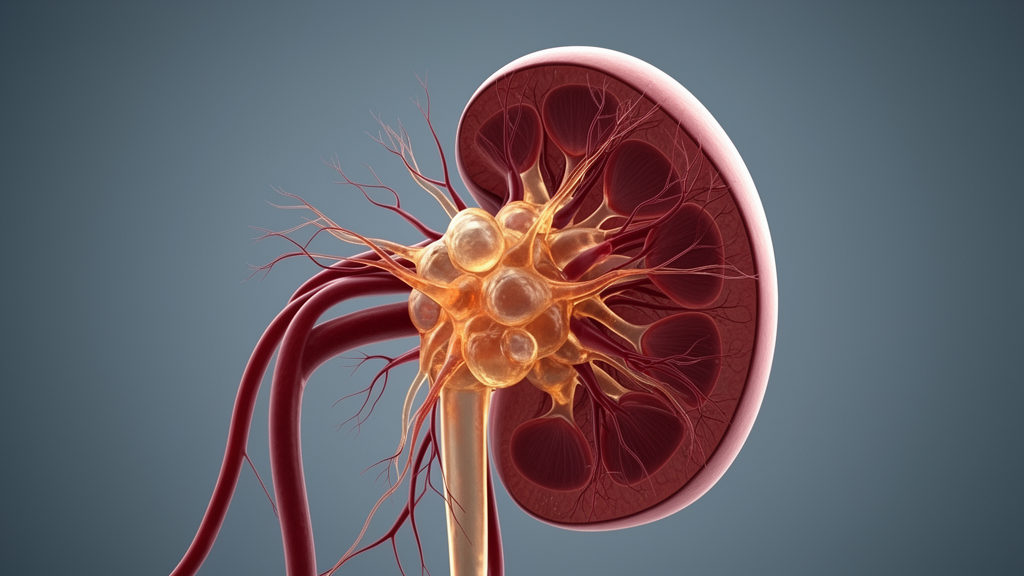
Researchers analyzing a real-world cohort of patients with ANCA-associated vasculitis found that baseline kidney function and age at diagnosis were the primary determinants of both mortality and progression to end-stage kidney disease. The study, published in Clinical and Experimental Medicine, retrospectively reviewed medical records from two tertiary referral centers to evaluate these outcomes. By integrating mortality and kidney-specific data, the team aimed to address a gap in existing literature where real-world cohorts often lack comprehensive integration of both prognostic domains. The findings underscore the critical importance of early clinical and renal assessment for stratifying risk in this heterogeneous disease.
ANCA-associated vasculitis is a complex condition characterized by substantial morbidity and mortality. While the disease is well-recognized, data that simultaneously track survival rates and kidney progression in real-world settings have remained limited. This retrospective study included a total of 248 patients, with a mean age of 51.6 years and a standard deviation of 15.6 years. Kidney involvement was present in 73% of the participants, highlighting the frequent renal manifestation of the disease in this population.
The study design utilized Kaplan–Meier analysis and Cox proportional hazards models to assess kidney survival and mortality. These statistical methods allowed the researchers to identify specific clinical determinants associated with first-year mortality, overall mortality, and the progression to end-stage kidney disease.
Among the patients with kidney involvement, 33% progressed to end-stage kidney disease, a significant proportion that illustrates the severity of renal complications in this cohort. The analysis revealed that MPO-ANCA–positive patients experienced shorter kidney survival compared to other subgroups, with a p-value of 0.037 indicating statistical significance. The overall survival rates were 90.2% at one year and 81.9% at five years, suggesting that while the disease is serious, a majority of patients survive the initial critical period.
In multivariable analyses, older age at diagnosis and lower baseline estimated glomerular filtration rate were consistently associated with higher mortality.
Regarding kidney-specific outcomes, higher serum creatinine levels at diagnosis were independently associated with the progression to end-stage kidney disease. In an alternative statistical model, the requirement for hemodialysis at diagnosis was also identified as an independent predictor of ESKD. These findings suggest that the severity of renal injury at the time of diagnosis is a key determinant of long-term kidney survival.
For first-year mortality, the study identified pulmonary and cardiac involvement as independent risk factors. In an alternative model for overall mortality, the baseline Birmingham Vasculitis Activity Score was independently associated with death.
Subject of Research: Determinants of mortality and kidney outcomes in ANCA-associated vasculitis
Article Title: Mortality and kidney outcomes in ANCA-associated vasculitis: determinants from a real-world cohort
Article References: Gercik, O., Durak Ediboglu, E., Bilgin, E., Solmaz, D., Saglam, A., Ocal, I., Kardas, R. C., Aybi, O., Kabadayi, G., Erpek, E., Soypacaci, Z., Aysin, I. K., Yıldırım, T., Karadag, O., & Akar, S. (2026). Mortality and kidney outcomes in ANCA-associated vasculitis: determinants from a real-world cohort. Clinical and Experimental Medicine. https://doi.org/10.1007/s10238-026-02355-5
Image Credits: AI Generated
DOI: 10.1007/s10238-026-02355-5
Keywords: ANCA-associated vasculitis, End-stage kidney disease, Mortality, Real-world cohort, Kidney survival, Retrospective study, Clinical outcomes, Renal function, kidney, outcomes, ANCA-associated, vasculitis
News Source: Jerry Hayes. (November 9, 2026). Baseline Kidney Function Predicts Outcomes in ANCA Vasculitis. Scienmag.