• HOME
  • NEWS
  • EXPLORE
    • CAREER
      • Companies
      • Jobs
    • EVENTS
    • iGEM
      • News
      • Team
    • PHOTOS
    • VIDEO
    • WIKI
  • BLOG
  • COMMUNITY
    • FACEBOOK
    • INSTAGRAM
    • TWITTER
Wednesday, November 11, 2026
BIOENGINEER.ORG
No Result
View All Result
  • Login
  • HOME
  • NEWS
  • EXPLORE
    • CAREER
      • Companies
      • Jobs
        • Lecturer
        • PhD Studentship
        • Postdoc
        • Research Assistant
    • EVENTS
    • iGEM
      • News
      • Team
    • PHOTOS
    • VIDEO
    • WIKI
  • BLOG
  • COMMUNITY
    • FACEBOOK
    • INSTAGRAM
    • TWITTER
No Result
View All Result
Bioengineer.org
No Result
View All Result
Home NEWS Science News Health

Age Differences Observed in Pulmonary Artery Hemodynamics Using 4D Flow CMR

by
November 9, 2026
in Health
Reading Time: 2 mins read
0
Age Differences Observed in Pulmonary Artery Hemodynamics Using 4D Flow CMR

Age Differences Observed in Pulmonary Artery Hemodynamics Using 4D Flow CMR

Share on FacebookShare on TwitterShare on LinkedinShare on RedditShare on Telegram

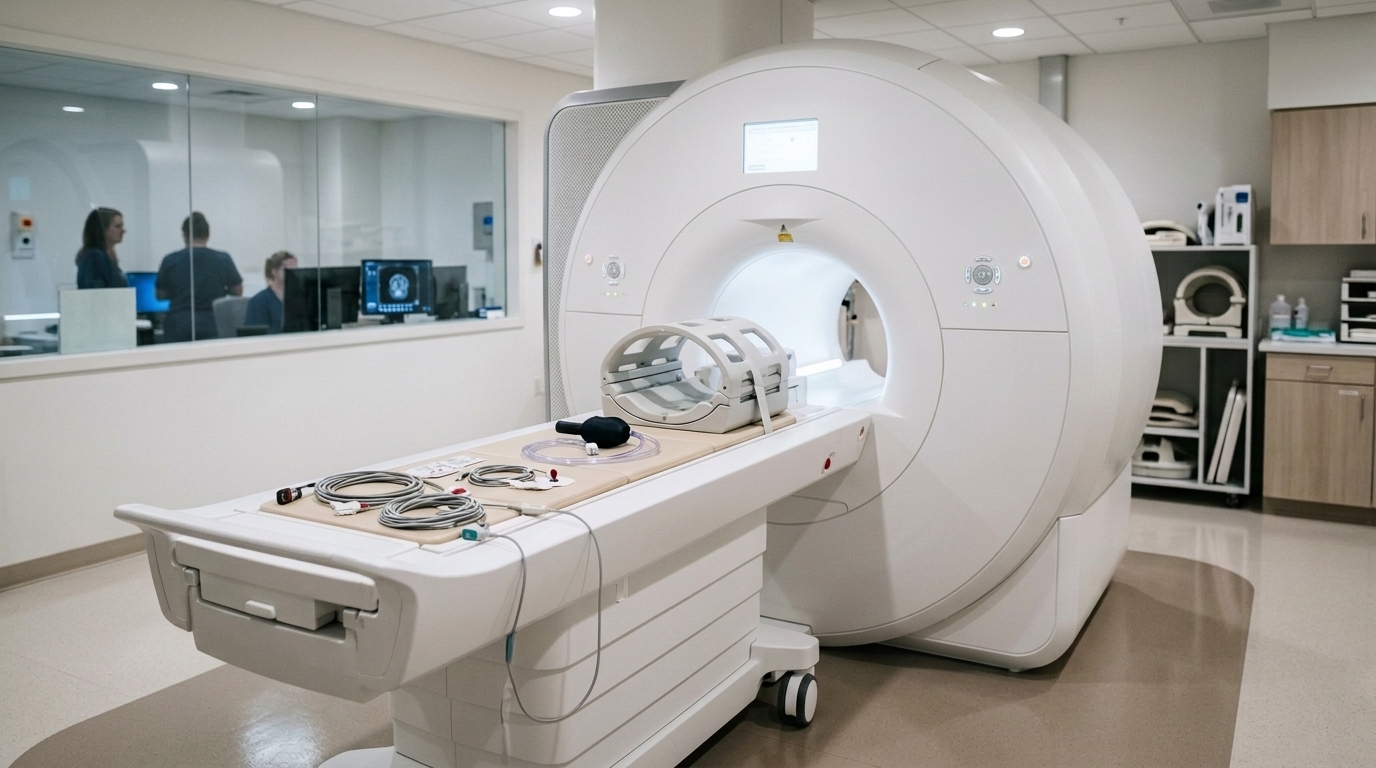
Healthy adults aged forty years and older exhibited lower main pulmonary artery flow volumes and lower left pulmonary artery wall shear stress magnitude compared to younger individuals in a prospective 4D flow cardiovascular magnetic resonance evaluation.

The prospective study included 57 healthy adult participants who underwent 4D flow cardiovascular magnetic resonance imaging between February and November 2025. The research was designed to assess age- and sex-related changes in pulmonary arterial flow distribution and wall shear stress, providing preliminary reference measurements for healthy adults.

Investigators initially divided the participants into two primary age cohorts, defining group 1 as individuals under 40 years of age and group 2 as those aged 40 years or older. Each age cohort was subsequently subdivided by sex into subgroup A for males and subgroup B for females, creating four distinct analytical subgroups designated as 1A, 1B, 2A, and 2B.

The imaging protocol obtained cardiac cine imaging sequences of the heart across short-axis, two-chamber, three-chamber, and four-chamber views, in addition to dedicated 4D flow sequences. Two radiologists conducted the evaluations to calculate flow volume and wall shear stress parameters for each artery across a cardiac cycle, which were then used to determine the distribution ratio for both pulmonary arteries.

The sequence evaluations revealed that main pulmonary artery flow volume was significantly lower in group 2 than in group 1 at 61.69 ± 11.98 milliliters per cycle versus 69.39 ± 15.80 milliliters per cycle. Additionally, group 1 demonstrated significantly higher wall shear stress magnitude in the left pulmonary artery at 0.15 ± 0.04 Pascals compared to 0.12 ± 0.02 Pascals in group 2 after false discovery rate correction, while no significant differences were observed between sexes.

The authors concluded that 4D flow cardiovascular magnetic resonance enables the noninvasive quantification of pulmonary arterial hemodynamics in healthy adults. By establishing preliminary reference data for both pulmonary arterial flow distribution and wall shear stress, the study documents baseline hemodynamic measurements in healthy individuals. The research team noted that these findings highlight potential age-related differences in pulmonary arterial hemodynamics, demonstrating how 4D flow cardiovascular magnetic resonance can capture variations across different age cohorts.

Subject of Research: Pulmonary arterial hemodynamics across age and sex in healthy adults

Article Title: Sex-specific and age-dependent changes in pulmonary arterial flow distribution and wall shear stress in healthy adults: a 4D flow cardiovascular magnetic resonance study

Article References: Zhang, J., Chen, M., Wang, J., Zhu, J., Ye, A., Guo, B., Li, M., Liu, Y., Li, Q., & Hu, C. (2026). Sex-specific and age-dependent changes in pulmonary arterial flow distribution and wall shear stress in healthy adults: a 4D flow cardiovascular magnetic resonance study. BMC Cardiovascular Disorders. https://doi.org/10.1186/s12872-026-06970-8

Image Credits: AI Generated

DOI: 10.1186/s12872-026-06970-8

Keywords: pulmonary artery, 4D flow CMR, hemodynamics, wall shear stress, cardiovascular magnetic resonance, aging, flow volume, Sex-specific, age-dependent, changes, pulmonary, arterial

News Source: Ophelia Keating. (November 9, 2026). Age Differences Observed in Pulmonary Artery Hemodynamics Using 4D Flow CMR. Scienmag.


Tags: 4D flow CMRAge-dependentAgingarterialcardiovascular magnetic resonancechangesflow volumehemodynamicspulmonarypulmonary arterySex-specificwall shear stress
Share12Tweet7Share2ShareShareShare1

Related Posts

Research report: Development and external validation of a nomogram incorporating the TyG index and prognostic nutritional index for predicting cardiovascular events in patients with heart failure with preserved ejection fraction and chronic kidney disease

Development and external validation of a nomogram incorporating the TyG index and prognostic nutritional index for predicting cardiovascular events in patients with heart failure with preserved ejection fraction and chronic kidney disease

November 11, 2026
Hypothesis Proposes Targeting NLRP3 Inflammasome and Magnesium Deficiency in Atrial Fibrillation

Hypothesis Proposes Targeting NLRP3 Inflammasome and Magnesium Deficiency in Atrial Fibrillation

November 11, 2026

Study Evaluates Female Infertility Factors and AI Oocyte Scoring in ICSI Cycles

November 11, 2026

Objective and Subjective Aging Markers Selectively Predict Different Successful Aging Outcomes

November 11, 2026

POPULAR NEWS

  • Splicing Changes Drive Kidney Disease in Zebrafish Model

    Splicing Changes Drive Kidney Disease in Zebrafish Model

    29 shares
    Share 12 Tweet 7
  • New Compound Targets TMED3 to Trigger ER Stress in Pancreatic Cancer

    29 shares
    Share 12 Tweet 7
  • Review Evaluates Sensory Ion Channels and Targeted Therapies in Dry Eye Disease

    29 shares
    Share 12 Tweet 7
  • Adolescent With Proteus Syndrome Develops Multiple Coexisting Ovarian Tumors and Amenorrhea

    29 shares
    Share 12 Tweet 7

About

We bring you the latest biotechnology news from best research centers and universities around the world. Check our website.

Follow us

Recent News

China Comprehensive Pilot Program Cuts Agricultural Chemical Fertilizer Density by Ten Percent

Development and external validation of a nomogram incorporating the TyG index and prognostic nutritional index for predicting cardiovascular events in patients with heart failure with preserved ejection fraction and chronic kidney disease

Hypothesis Proposes Targeting NLRP3 Inflammasome and Magnesium Deficiency in Atrial Fibrillation

Subscribe to Blog via Email

Enter your email address to subscribe to this blog and receive notifications of new posts by email.

Join 86 other subscribers
  • Contact Us

Bioengineer.org © Copyright 2023 All Rights Reserved.

Welcome Back!

Login to your account below

Forgotten Password?

Retrieve your password

Please enter your username or email address to reset your password.

Log In
No Result
View All Result
  • Homepages
    • Home Page 1
    • Home Page 2
  • News
  • National
  • Business
  • Health
  • Lifestyle
  • Science

Bioengineer.org © Copyright 2023 All Rights Reserved.