Iron-modified biochar significantly reduces the release of ammonia and nitrous oxide during the composting of pig manure, according to a study published in Carbon Research. The research, led by Dong Wang and colleagues, demonstrates that adding 5% iron-modified biochar (FeBC) to composting mixtures lowers cumulative ammonia emissions by 46.68% and nitrous oxide emissions by 41.69% compared to an untreated control. This dual-functionality addresses a critical environmental challenge, as uncontrolled nitrogenous gas emissions from livestock manure composting degrade fertilizer quality and contribute to atmospheric pollution. The study provides a mechanistic basis for using FeBC as a scalable amendment to achieve sustainable, low-emission composting.
The global production of pig manure has exceeded 1.7 billion tons annually, creating a substantial waste management challenge. While aerobic composting is a standard method for treating this waste by inactivating pathogens and converting organic matter into stable humus, the process often results in significant nitrogen loss. Previous reports indicate that nitrogen loss caused by ammonia and nitrous oxide emissions can reach up to 94% and 10%, respectively, during composting. This loss not only reduces the nutritional value of the final compost product but also exacerbates air pollution and the greenhouse effect, necessitating effective strategies to enhance nitrogen retention.
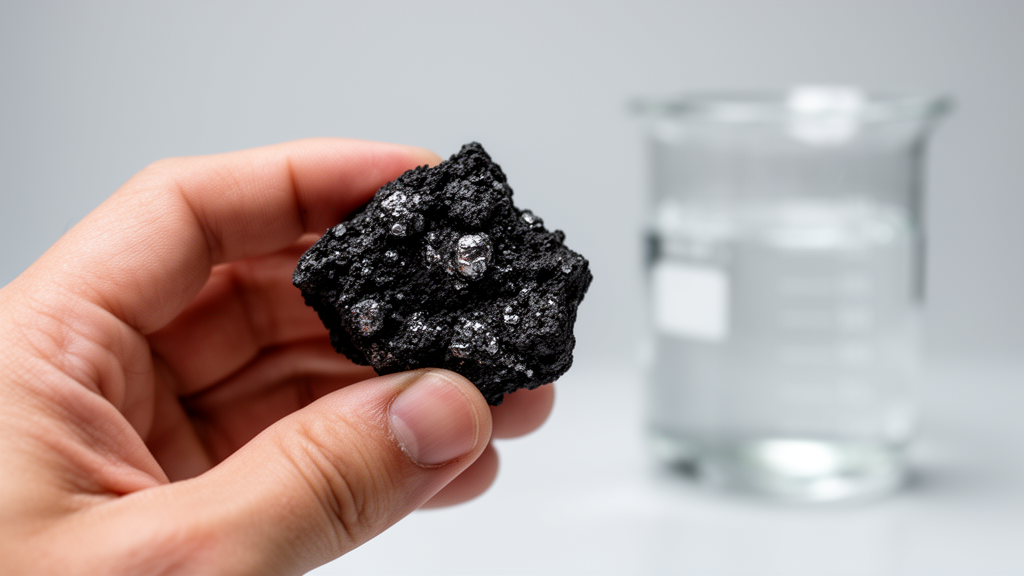
Conventional biochar has been widely used to mitigate nitrogen loss due to its porous structure and adsorption capacity. However, its effectiveness is often limited by the rapid saturation of its adsorption sites. To overcome this limitation, the researchers developed iron-modified biochar by impregnating raw biochar, produced from corn stover pyrolyzed at 500 degrees Celsius, with ferric chloride solution. X-ray powder diffraction analysis confirmed the successful loading of iron oxides onto the biochar matrix. This modification resulted in a material with a specific surface area 4.6 times higher than that of pristine biochar, along with enriched surface functional groups that enhance hydrophilicity and adsorption capacity.
The composting experiment involved three treatment groups: a control without biochar, a group with 5% pristine biochar, and a group with 5% iron-modified biochar. The composting mixture consisted of pig manure and sawdust adjusted to a carbon-to-nitrogen ratio of approximately 25 and a moisture content of 60%. All treatments rapidly entered the thermophilic phase within the first three days, with peak temperatures reaching approximately 60 degrees Celsius. The iron-modified biochar treatment achieved the highest peak temperature of 63.5 degrees Celsius and maintained the thermophilic phase longer than the other groups, indicating accelerated decomposition of organic matter.
Physicochemical analysis revealed that the iron-modified biochar effectively buffered the pH of the compost. While the control and pristine biochar treatments peaked at pH values above 8.3, the iron-modified biochar treatment remained in a moderate range of 7.3 to 7.9. This pH buffering is attributed to the hydrolysis and complexation of iron ions with organic acids, which release hydrogen ions and inhibit excessive alkalinity. By maintaining a lower pH, the iron-modified biochar promotes the protonation of ammonia to ammonium, thereby retaining nitrogen within the compost matrix and significantly reducing ammonia volatilization.
Metagenomic analysis provided insights into the biological mechanisms driving these emission reductions. The study found that iron-modified biochar upregulated the expression of nitrification genes, specifically hao and nxrA, which are involved in the oxidation of ammonium. This acceleration of nitrification helps suppress ammonia volatilization by converting ammonium nitrogen into nitrate nitrogen. By the end of the composting process, the nitrate nitrogen content in the iron-modified biochar treatment was 8.26% higher than in the pristine biochar treatment and 35.63% higher than in the control, reflecting the enhanced activity of aerobic nitrifying bacteria.
Furthermore, the iron-modified biochar reshaped the denitrification pathway to favor complete reduction of nitrous oxide to nitrogen gas. The amendment decreased the abundance of nirK and norB genes, which are associated with the production of nitrous oxide, while enhancing the abundance of nosZ, the gene responsible for reducing nitrous oxide to nitrogen. This shift indicates that the redox-active iron species in the biochar act as electron mediators, facilitating the terminal reduction of nitrous oxide and preventing its accumulation and release. This mechanism distinguishes iron-modified biochar from other amendments that primarily rely on physical adsorption or pH adjustment.
The microbial community structure also shifted in response to the iron-modified biochar amendment. The treatment selectively enriched nitrogen-retaining functional taxa, including the bacterial genera Pseudomonas and Truepera. Pseudomonas is known to carry the nosZ gene, enhancing the denitrification process, while Truepera plays a pivotal role in mineralization and humification. The iron-modified biochar also promoted the enrichment of fungal phyla such as Basidiomycota during the thermophilic and maturation phases. These fungi produce ligninolytic enzymes that contribute to compost maturity and structural stability, further supporting the degradation of complex organic compounds.
Structural equation modeling and microbial network analysis demonstrated that the iron-modified biochar strengthened the coupling between physicochemical parameters and microbial processes. The study identified a self-reinforcing regulatory system where improved composting conditions, such as optimal temperature and pH, promote the growth of beneficial microbial communities. These communities, in turn, drive efficient nitrogen transformation and retention. The explained rates for ammonia and nitrous oxide losses in the path model were 0.589 and 0.761, respectively, indicating a strong predictive power of the integrated physicochemical and biological factors.
In contrast, the addition of iron-modified biochar reduced total nitrogen loss by 34.61% compared to the control. The germination index, a measure of compost maturity and phytotoxicity, was also higher in the iron-modified biochar treatment, reaching 105.5% compared to 84.1% in the control. This suggests that the amendment not only reduces emissions but also improves the quality of the final compost product by alleviating the inhibitory effects of phytotoxic substances.
The study highlights the potential of iron-modified biochar as a dual-functional amendment that integrates chemisorption with microbial regulation. By enhancing the specific surface area and introducing redox-active iron species, the material creates a favorable microenvironment for beneficial microbes while directly adsorbing nitrogen gases. The findings provide a mechanistic understanding of how material properties influence biological processes in composting systems, offering a scalable strategy for mitigating environmental risks associated with livestock manure management.
Future research should focus on integrating isotopic tracing and multi-omics approaches to further elucidate the iron transformation dynamics and nitrogen conversion mechanisms during composting.
Subject of Research: Mitigating gaseous nitrogen emissions from pig manure composting via iron modified biochar: biotic and abiotic mechanisms
Article Title: Mitigating gaseous nitrogen emissions from pig manure composting via iron modified biochar: biotic and abiotic mechanisms
Article References: Wang, D., Wei, X., Liu, Y., Shi, Y., Xie, X., Ma, C., Li, H., & Zhang, Q. (2026). Mitigating gaseous nitrogen emissions from pig manure composting via iron modified biochar: biotic and abiotic mechanisms. Carbon Research, 5(1), Article 38. https://doi.org/10.1007/s44246-026-00271-7
Image Credits: AI Generated
DOI: 10.1007/s44246-026-00271-7
Keywords: Mitigating, gaseous, nitrogen, emissions, manure, composting, iron, modified, biochar, biotic, abiotic, mechanisms
News Source: Bethany Barker. (November 8, 2026). Iron-Modified Biochar Cuts Pig Manure Nitrogen Emissions. Scienmag.