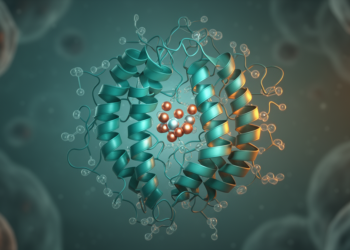
A retrospective study published in BMC Medical Genomics has characterized the clinical and genotypic features of SETD5-related disorders in six unrelated children, revealing an expanded multisystem spectrum that extends beyond previously recognized neurodevelopmental manifestations. The research, led by Jun-Hong Park and colleagues, utilized Human Phenotype Ontology (HPO) based profiling to systematically map clinical phenotypes, providing new insights into the broader developmental roles of the SETD5 gene. By integrating genotypic data with detailed phenotypic assessments, the study aims to refine the clinical spectrum of this autosomal dominant neurodevelopmental disorder and highlight underrepresented structural anomalies.
Loss-of-function variants in the SETD5 gene, which encodes Set domain-containing protein 5, are a recognized cause of an autosomal dominant neurodevelopmental disorder. However, emerging experimental and in silico evidence suggests that SETD5 may have broader developmental roles than previously appreciated, yet systematically curated human data have remained limited. This study sought to address that gap by characterizing the systemic and extracerebral manifestations of SETD5-related disorders. The study also aimed to refine the expanding clinical spectrum.
The research team conducted a retrospective study involving six unrelated children who carried pathogenic or likely pathogenic SETD5 variants. Clinical phenotypes were mapped using Human Phenotype Ontology (HPO) terms. These HPO-based profiles were compared with previously reported cohorts.
Genotypic analysis identified four novel frameshift insertions or deletions of fewer than 10 base pairs, along with two previously reported pathogenic variants.
Clinically, all six patients presented with global developmental delay, a finding consistent with prior reports. However, the study noted partial developmental catch-up during follow-up. HPO-based phenotypic profiling revealed previously reported features such as congenital heart defects and feeding difficulties. Importantly, the study also identified additional, underrepresented structural anomalies, including congenital diaphragmatic hernia, renal anomalies, and airway anomalies. These findings indicate that the clinical spectrum of SETD5-related disorders is broader than previously documented, encompassing multiple organ systems beyond the central nervous system.
The findings of this study support an expanded multisystem spectrum of SETD5-related disorders, extending beyond neurodevelopmental manifestations to include various structural anomalies. The longitudinal developmental observations, including partial catch-up in developmental milestones, highlight the importance of ongoing monitoring and multidisciplinary clinical surveillance.
This retrospective study, while limited to a small cohort of six unrelated children, provides valuable insights into the clinical and genotypic characterization of SETD5-related disorders.
Subject of Research: Clinical and genotypic characterization of SETD5-related disorders using Human Phenotype Ontology-based profiling
Article Title: Clinical and genotypic characterization of SETD5-related disorders using Human Phenotype Ontology-based profiling
Article References: Park, J.-H., Kwak, N., Kim, S. Y., Kim, G.-H., Hwang, S., Ryu, S. W., Seo, G. H., Kim, J. H., Choi, J.-H., & Lee, B. H. (2026). Clinical and genotypic characterization of SETD5-related disorders using Human Phenotype Ontology-based profiling. BMC Medical Genomics. https://doi.org/10.1186/s12920-026-02469-5
Image Credits: AI Generated
DOI: 10.1186/s12920-026-02469-5
Keywords: SETD5, neurodevelopmental disorder, Human Phenotype Ontology, genetic variants, multisystem anomalies, clinical spectrum, retrospective study, BMC Medical Genomics, Clinical, genotypic, characterization, SETD5-related
News Source: Gregory Coleman. (November 8, 2026). Study Expands SETD5 Disorder Spectrum to Multisystem Anomalies. Scienmag.