A retrospective two-centre study conducted in Egypt has demonstrated that visual inspection during upper gastrointestinal endoscopy is an insufficient predictor of underlying histological abnormalities in children. The research, published in the Egyptian Pediatric Association Gazette, analyzed data from 400 pediatric patients to evaluate the indications, diagnostic yield, and appropriateness of esophagogastroduodenoscopy (EGD). The findings suggest that relying solely on endoscopic appearance may lead to missed diagnoses, particularly in cases of Helicobacter pylori infection, where the mucosa often appears normal despite significant histopathological changes.
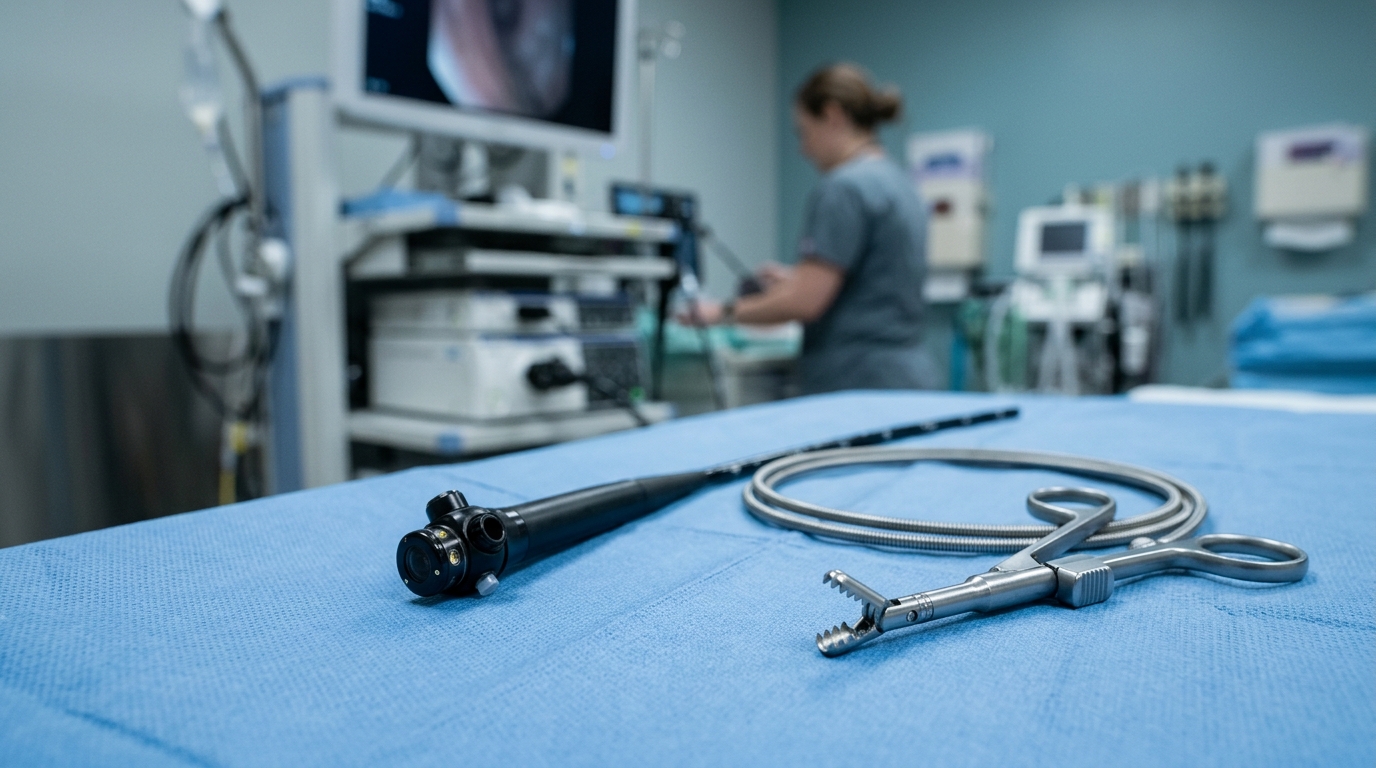
The study was carried out at the Pediatric Gastroenterology Unit of Beni-Suef University Hospital and the Endoscopy Unit of Aswan University Hospital. Researchers retrospectively reviewed the medical files of patients who underwent upper endoscopy between January 2021 and December 2025. After excluding 452 files due to missing biopsies, unavailable histopathological reports, or insufficient data, the final cohort consisted of 400 patients aged between one and 18 years. The group had a mean age of 7.91 years, with 52% of the participants being female. All procedures were performed by senior gastroenterologists using Karl Storz endoscopes, with sedation administered by pediatric anesthetists.
The primary indications for the endoscopic procedures were abdominal pain or dyspepsia, which accounted for 46% of the cases, followed by vomiting at 17.5%. Other indications included weight loss, dysphagia, and gastrointestinal bleeding. The study aimed to determine how often these procedures led to abnormal findings and whether the indications aligned with established clinical guidelines. The researchers collected detailed demographic data, medical history, vital signs, laboratory investigations, and endoscopic and histopathological results to assess the overall diagnostic yield of the procedures.
Abnormal endoscopic findings were observed in 47.25% of the patients. Duodenal abnormalities, including hyperemia, were found in 13.7% of patients. When comparing patients with normal and abnormal endoscopic results, those with abnormal findings had significantly higher body mass index, height, weight, and age. Additionally, a history of H. pylori infection was more prevalent in the group with abnormal endoscopic findings, occurring in 19.6% of cases compared to 9.5% in the normal group.
Despite the frequency of visible abnormalities, abnormal histopathological results were detected in 40.25% of the patients. This discrepancy highlights a critical gap between visual inspection and tissue-level diagnosis. The study found that the frequency of normal endoscopy with abnormal histopathology was significantly higher in the group diagnosed with H. pylori gastritis and/or duodenitis. In this specific subgroup, 95% of the cases presented with normal-looking mucosa during the procedure, compared to only 24.6% in the other group. This finding underscores the necessity of taking biopsies from mucosa that appears normal to ensure accurate diagnosis.
Statistical analysis revealed that abnormal endoscopy had a sensitivity of 59.6% and a specificity of 61.1% in identifying abnormal histopathology. The positive predictive value was 50.8%, while the negative predictive value was 69.2%. These metrics indicate that while endoscopic findings are correlated with histological abnormalities, they are not definitive. The study also identified age group as a significant predictor of abnormal histology. Children aged between six and 12 years were more likely to have abnormal histopathological findings, with an odds ratio of 2.25. Abnormal endoscopy itself was also a predictive factor, with an odds ratio of 2.15.
The appropriateness of the endoscopic procedures was also evaluated against the 2017 Pediatric Gastroenterology Endoscopy Guidelines. The researchers found that 14.25% of the upper endoscopies were performed for unsuitable purposes. This finding is consistent with broader trends in gastroenterology, where a significant proportion of diagnostic endoscopies are considered inappropriate.
The study also examined the relationship between clinical presentation and endoscopic findings. Chronic presentation of illness was more frequent in the group with abnormal endoscopic findings, occurring in 60.8% of cases compared to 47.9% in the normal group. Conversely, subacute presentation was more common in the normal endoscopy group. Laboratory data showed that elevated liver enzymes were significantly more prevalent in patients with abnormal endoscopic findings, reported in 2.3% of cases versus 0% in the normal group. These associations provide further context for understanding which clinical features may warrant more thorough endoscopic evaluation.
The researchers compared their findings with previous studies from other regions, including Jordan and the United States.
One of the notable cases described in the study involved a one-year-old female patient who presented with failure to thrive and chronic diarrhea. Her upper endoscopy revealed moderate gastritis and duodenitis with innumerable whitish spots. Histopathology confirmed the diagnosis of primary intestinal lymphangiectasia, a rare condition with only a few hundred cases reported since its initial description in 1961. This case illustrates the value of combining endoscopic and histological testing, as the visual findings alone might not have been sufficient to diagnose such a rare disorder.
The study acknowledges several limitations, primarily its retrospective design. The researchers did not monitor how the endoscopic and histopathological findings influenced the treatment regimens of the included subjects. Additionally, the study only included patients who underwent endoscopic biopsies, excluding 281 patients who did not have biopsies taken. Despite these limitations, the study provides valuable insights into the diagnostic yield and appropriateness of upper endoscopy in a large pediatric cohort.
The findings suggest that current practices in pediatric gastroenterology should emphasize the importance of biopsying normal-looking mucosa during upper endoscopy. The modest predictive value of visual endoscopic appearance for underlying histology indicates that a more systematic approach to biopsy collection could improve diagnostic accuracy. This is particularly relevant in the context of H. pylori infection, where the absence of visible abnormalities does not rule out significant histopathological changes. The study recommends that future prospective research be conducted to establish precise criteria for identifying abnormalities and selecting individuals for endoscopy, with the goal of optimizing diagnostic yield and resource utilization.
In conclusion, this retrospective two-centre study highlights the limitations of relying solely on visual inspection during upper gastrointestinal endoscopy in children. The high prevalence of normal endoscopy with abnormal histopathology, particularly in cases of H. pylori infection, underscores the critical need for routine biopsies. The study also identifies age and abnormal endoscopic findings as predictors of abnormal histology, providing useful clinical markers for risk stratification. By addressing the appropriateness of endoscopic indications and the diagnostic yield of the procedures, the research contributes to the ongoing effort to improve the quality and efficiency of pediatric gastroenterology services in Egypt and potentially in other regions with similar resource constraints.
Subject of Research: Indications, diagnostic yield, and appropriateness of upper gastrointestinal endoscopy in Egyptian children and adolescents: a retrospective two-centre study
Article Title: Indications, diagnostic yield, and appropriateness of upper gastrointestinal endoscopy in Egyptian children and adolescents: a retrospective two-centre study
Article References: Abd Elaal, H. M., Anwr, A. S., Arafat, H., Said, D., Soliman, A. S., & Hodeib, M. (2026). Indications, diagnostic yield, and appropriateness of upper gastrointestinal endoscopy in Egyptian children and adolescents: a retrospective two-centre study. Egyptian Pediatric Association Gazette, 74(1), Article 109. https://doi.org/10.1186/s43054-026-00611-7
Image Credits: AI Generated
DOI: 10.1186/s43054-026-00611-7
Keywords: Indications, diagnostic, yield, appropriateness, upper, gastrointestinal, endoscopy, Egyptian, children, adolescents, retrospective, two-centre
News Source: Harold Sullivan. (November 7, 2026). Egyptian Study Finds Biopsies Essential for Pediatric Endoscopy. Scienmag.